If you are interested in joining future Face Off debates, fill out this form to submit your application.
For: Nicholas Gao, 17, Chinese International School

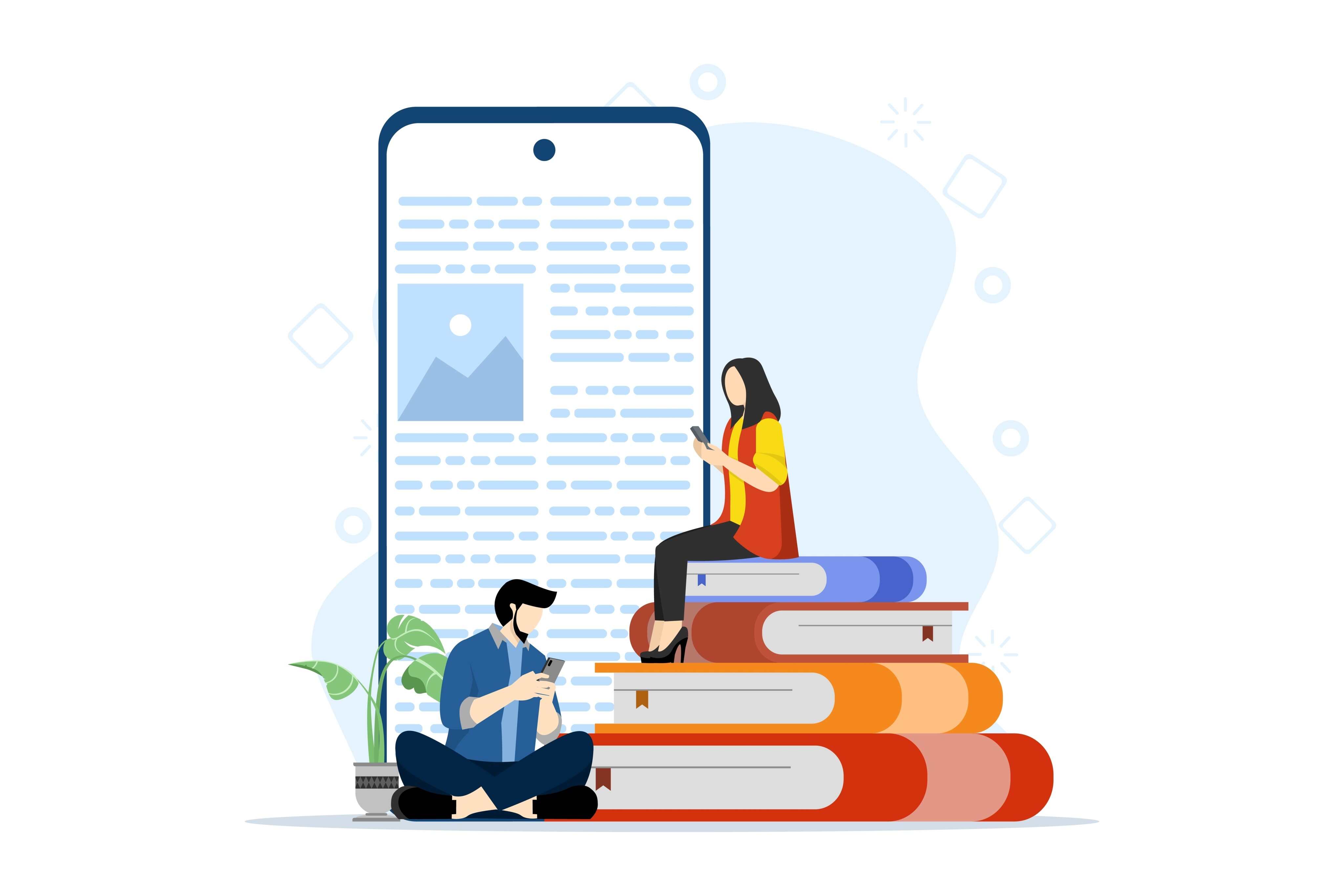
With more educational institutions embracing the digital realm, schools should be required to provide digital textbooks.
Digital textbooks give schools the flexibility they otherwise wouldn’t have. During last-minute weather events or other disruptions that lack warning, digital textbooks have a clear advantage over print versions, especially since print textbooks are often bulky and heavy, making them inconvenient even within classrooms.
Furthermore, a recent analysis by Education Data found that e-books can be 50 per cent less expensive than their hard copy counterparts.
Providing digital textbooks instead of print ones also makes education more affordable. The latest Lumina Foundation-Gallup State of Higher Education poll showed that 56 per cent of potential students said they considered not enrolling in higher education when they learned the true extent of the costs involved.
While digital textbooks might not solve every problem when it comes to university costs, they would massively level the playing field for students of all socioeconomic backgrounds.
Beyond this, digital textbooks can play a role in improving comprehension for those with diverse learning needs.
The Modality Principle states that students learn better from interactive pictures and spoken words than from printed words and images on a page.
Many digital textbooks have interactive features that allow users to engage with the text in innovative ways, such as through the use of audio readers and other tools embedded within. There is even a compelling case that digital textbooks can help those with conditions such as dyslexia.
Physical textbooks allow students to write in them and take notes. But the benefits of writing information by hand are not exclusive to digital textbooks. Students can use iPads and other note-taking tools alongside their digital learning resources.
While some argue that digital textbooks are not as useful as physical copies due to licensing issues and reliance on third-party platforms, the simple fact is that these textbooks offer a convenient and interactive way of learning, truly making education more accessible than ever.
Against: Miya Zhang, 18, St Paul’s School (US)

Schools should not be required to provide digital textbooks instead of print textbooks. Although we live in an age of technology, the benefits of traditional pen-and-paper learning highlight the importance of sticking to physical media in education.
Research on how physical and digital media affect the brain favours print materials as more cognitively stimulating. As a result, print readers consistently perform better on reading comprehension tests than online readers and are also more capable of recalling information.
Specifically, a study by the University of Valencia found that reading print texts could improve comprehension by six to eight times more than reading digital materials. Especially for younger students, there was a negative relationship between comprehension and online media that showcased the need to prioritise physical textbooks.
In regard to university students, one University of Maryland researcher discovered that undergraduates were more likely to miss details when reading on screens rather than on paper.
This may be because constant exposure to digital media trains the brain to process such information more rapidly and less thoroughly. Considering our daily exposure to online reading, schools should use traditional print textbooks to help the brain recognise that the materials presented in classrooms are important.
Reading on paper also causes less fatigue and is better for students’ health. Long-term blue light exposure from devices can damage the eyes and disrupt sleep patterns. Given these negative effects, schools have a responsibility to help students minimise screen time. Providing digital textbooks would go against this goal.
Furthermore, reading a physical book rather than a digital one offers fewer distractions. Students are more likely to go off task with internet access, which may be a tempting distraction during class time. A physical book can help them stay focused.
While digital textbooks may be a nice alternative to have on hand, they should not replace print books as the default learning material. Schools should stick to physical textbooks because of the many benefits they offer for the learning and health of their students.