Have something to say? Send us a letter using this form.
Advocate for ethnic minorities
Nicholas Gao, Chinese International School
It is unfair that Hong Kong’s ethnic minority communities remain marginalised and overwhelmingly take up low-paid, precarious work. This is happening even as the city pursues economic prosperity and pre-pandemic glory.
As an Asian “global city”, Hong Kong relies on different ethnic groups. More than 350,000 domestic workers are the backbone of the city’s workforce. Other ethnic minority communities – who grew up in Hong Kong or moved here for work – often face limited opportunities and are confined to low paying work.
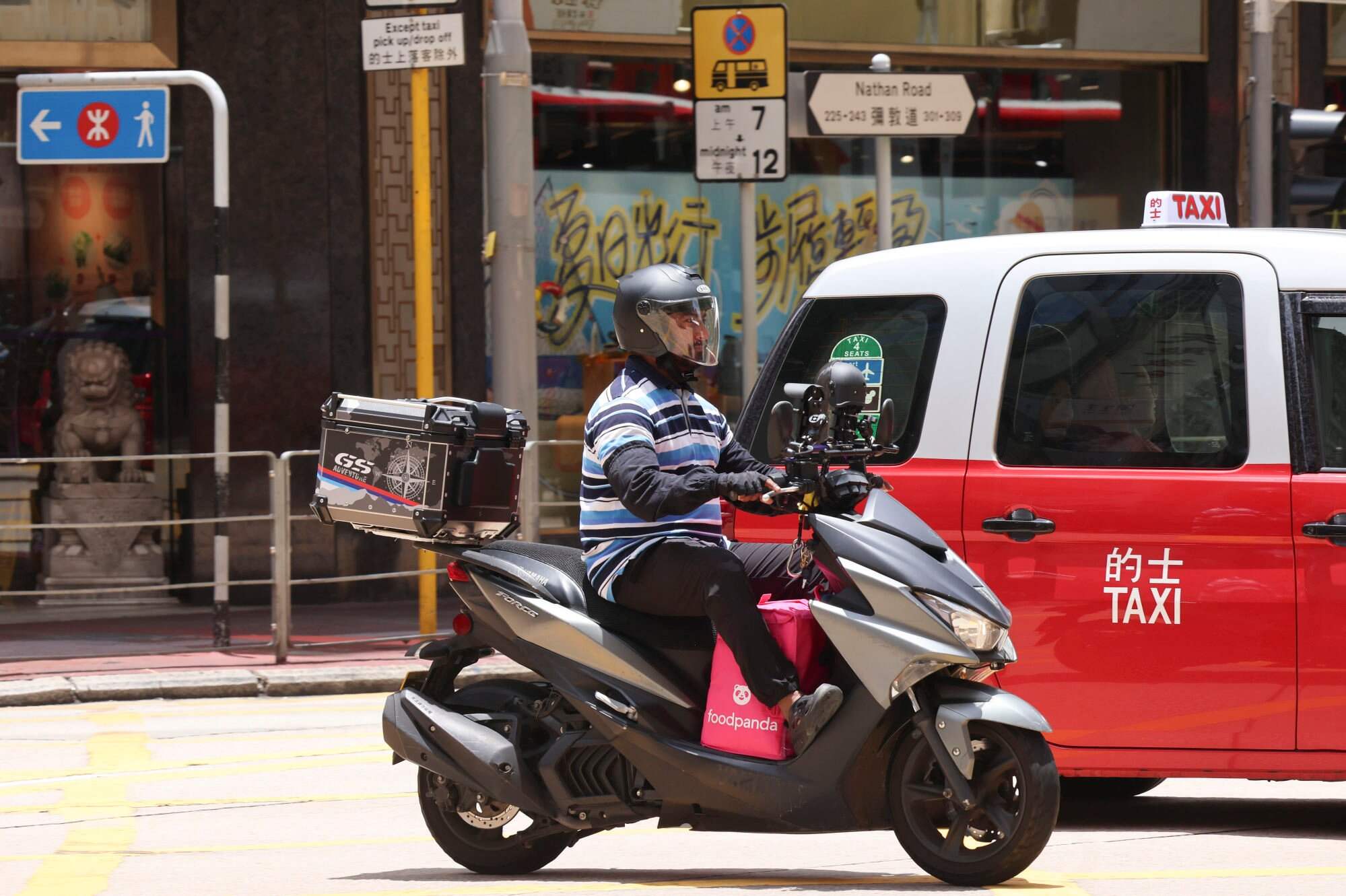
These individuals, many of whom have South Asian backgrounds, often take on blue-collar jobs such as food delivery or construction work.
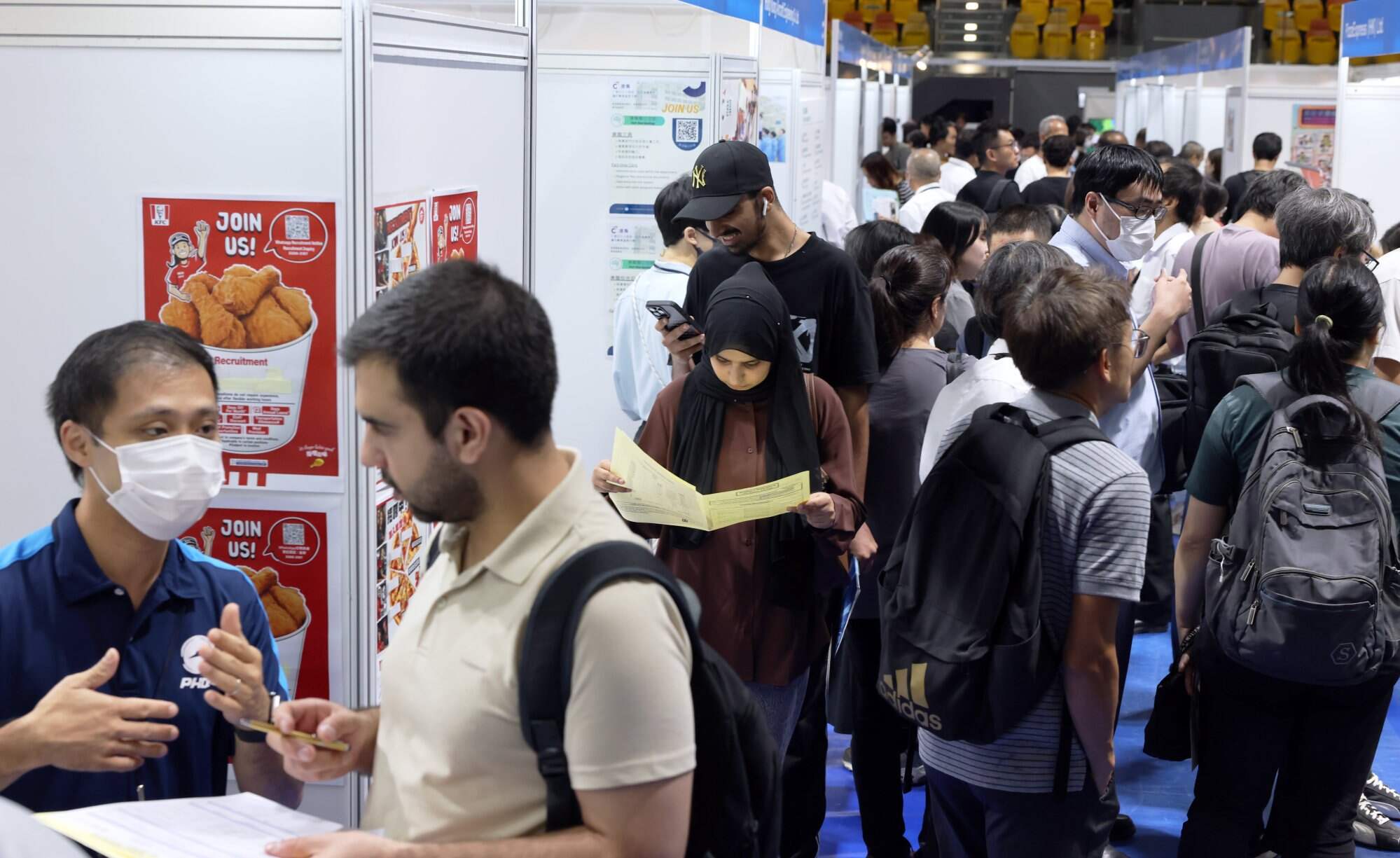
A 2022 study by Lingnan University found that 89 per cent of surveyed food delivery workers in Hong Kong belonged to ethnic minority groups. These professions are well known for being extremely precarious, with limited growth opportunities and often insufficient employee support.
Ethnic minority individuals are often unable to take advantage of career growth opportunities available to others in Hong Kong society. They cannot plan adequately for retirement or access healthcare plans.
Furthermore, minorities still face racial discrimination while undertaking their arduous jobs. A report published in Sage Journals highlighted the prevalence of extreme racism against South Asian delivery drivers, “perhaps triggered by a flurry of negative mainstream news reports and social media outbursts targeted at South Asians.”
Higher-skilled office professions offer little respite. Ethnic minority individuals often face discriminatory hiring practices or racial microaggressions in white-collar workplaces.
This could be direct racism or systemic racial problems within Hong Kong’s hiring practices. For example, language requirements and internal biases can work against minority groups during recruitment.
In one case, the Asia Monitor Resource Centre reported that Rani from Pakistan was initially offered a kindergarten teaching job. But she was not permitted to wear her usual dress, traditional clothing, and was told to wear a skirt instead.
This type of discrimination over ethnic traditions occurs all the time and is often subconscious within Hong Kong society.
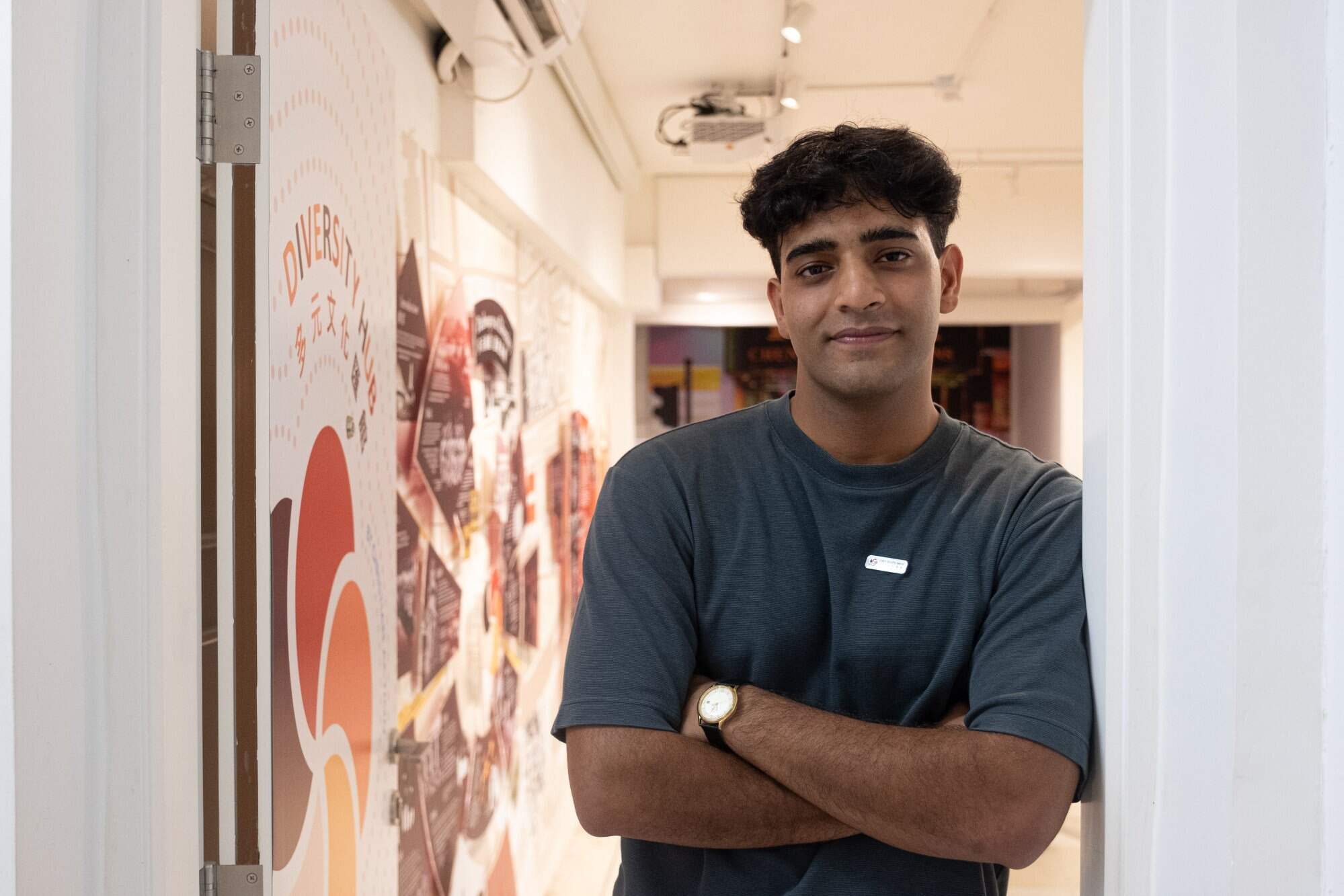
The system is designed to work against minority groups in Hong Kong. Over time, it has only become more severe. For instance, in a 2016 report, Oxfam highlighted the stark rate of poverty in Hong Kong among ethnic minority groups and the shocking fact that this issue is becoming intergenerational, with minority children being denied even a chance to learn Cantonese or gain the same access to education as others their age.
A narrative shift must immediately occur in Hong Kong society. Not only is the maligning of ethnic minority groups entirely wrong, but it also represents a problem that affects everyone; the city is at risk of creating a massive underclass saddled with poverty, with limited opportunities for social progression. If Hong Kong continues down this path, a dangerous precedent will be set.
Unlawful ICE arrests
Alissa Mak Ching-man, Victoria Shanghai Academy
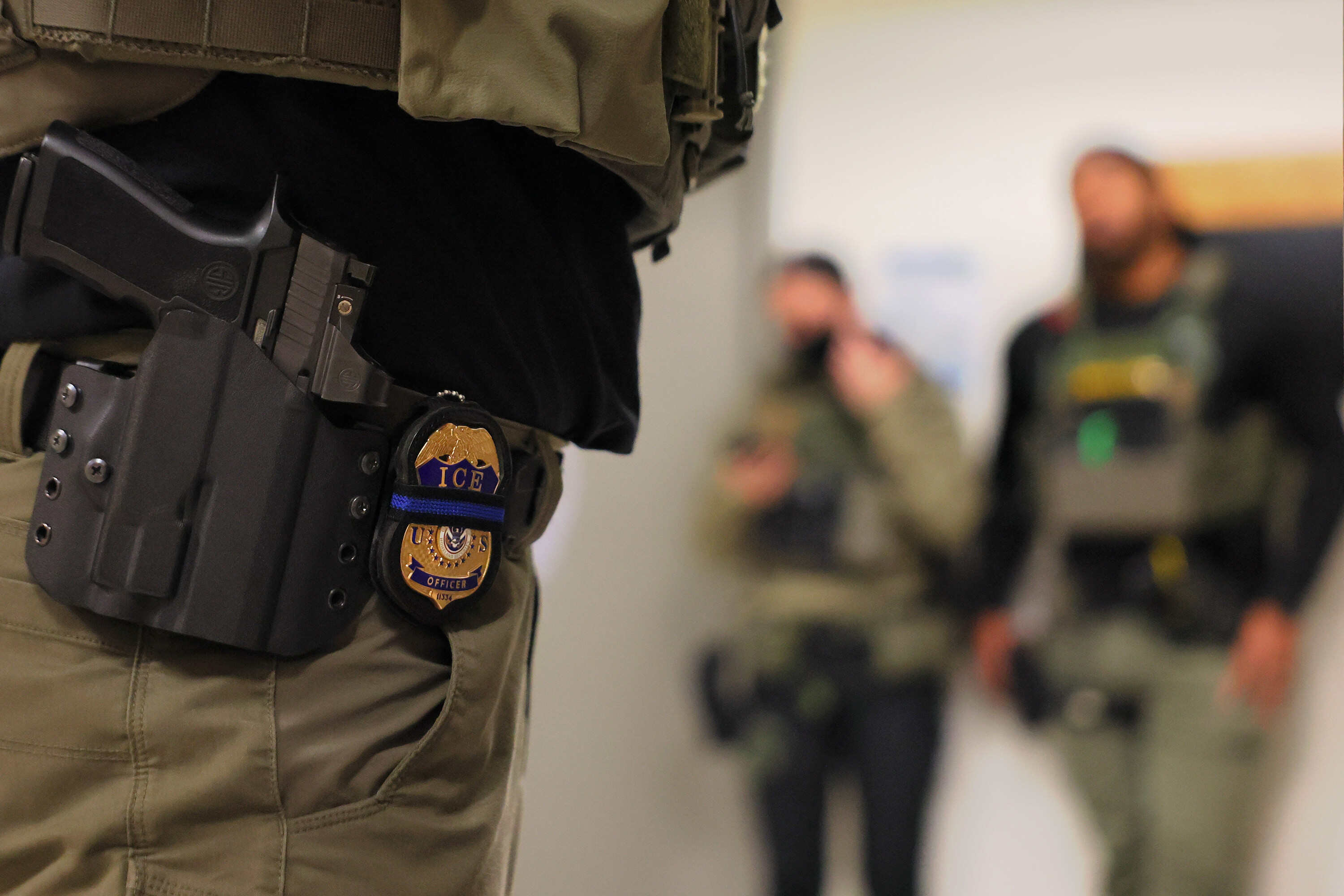
The United States Immigration and Customs Enforcement (ICE) has attracted much condemnation and criticism in recent months.
The agency has three main areas. Enforcement and Removal Operations officers detain and deport those living in the US without legal authorisation – such as by entering the country without permission or overstaying a visa.
Homeland Security Investigations investigates crimes that threaten safety, such as human trafficking and drug dealing. Meanwhile, Management and Administration oversees operations, providing substantial resources.
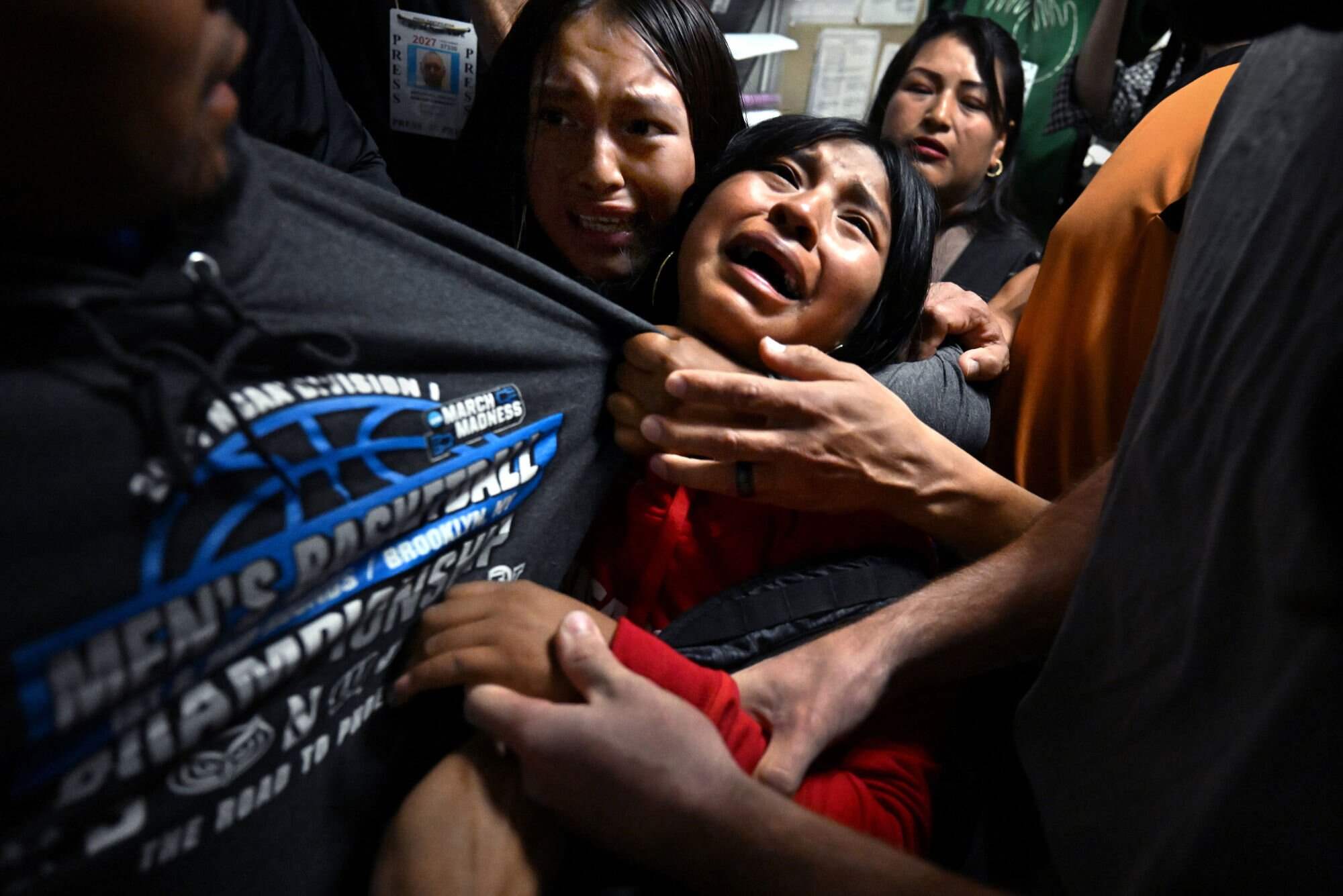
US President Donald Trump’s mass deportation campaign includes putting more than US$160 billion towards strengthening ICE. Arrests and detentions have significantly risen, reaching 100,000 in less than five months into 2025, and still counting.
In comparison, during the previous Biden administration, there were only about 113,431 operations in all of 2024.
ICE touts a seemingly soaring success rate and a picture-perfect front. But around 65 per cent of those detained have no criminal records, and an overwhelming 95 per cent have no violent convictions whatsoever.
For example, George Retes, 25, is a US Army veteran and legal citizen. Despite his proven devotion to the country, he was brutally attacked in his car by ICE agents, pepper-sprayed and detained for three days without further explanation. He was denied contact with his lawyer or family and was forbidden to shower or change, resulting in severe burns.
This is one of many instances of unlawful arrests by ICE.
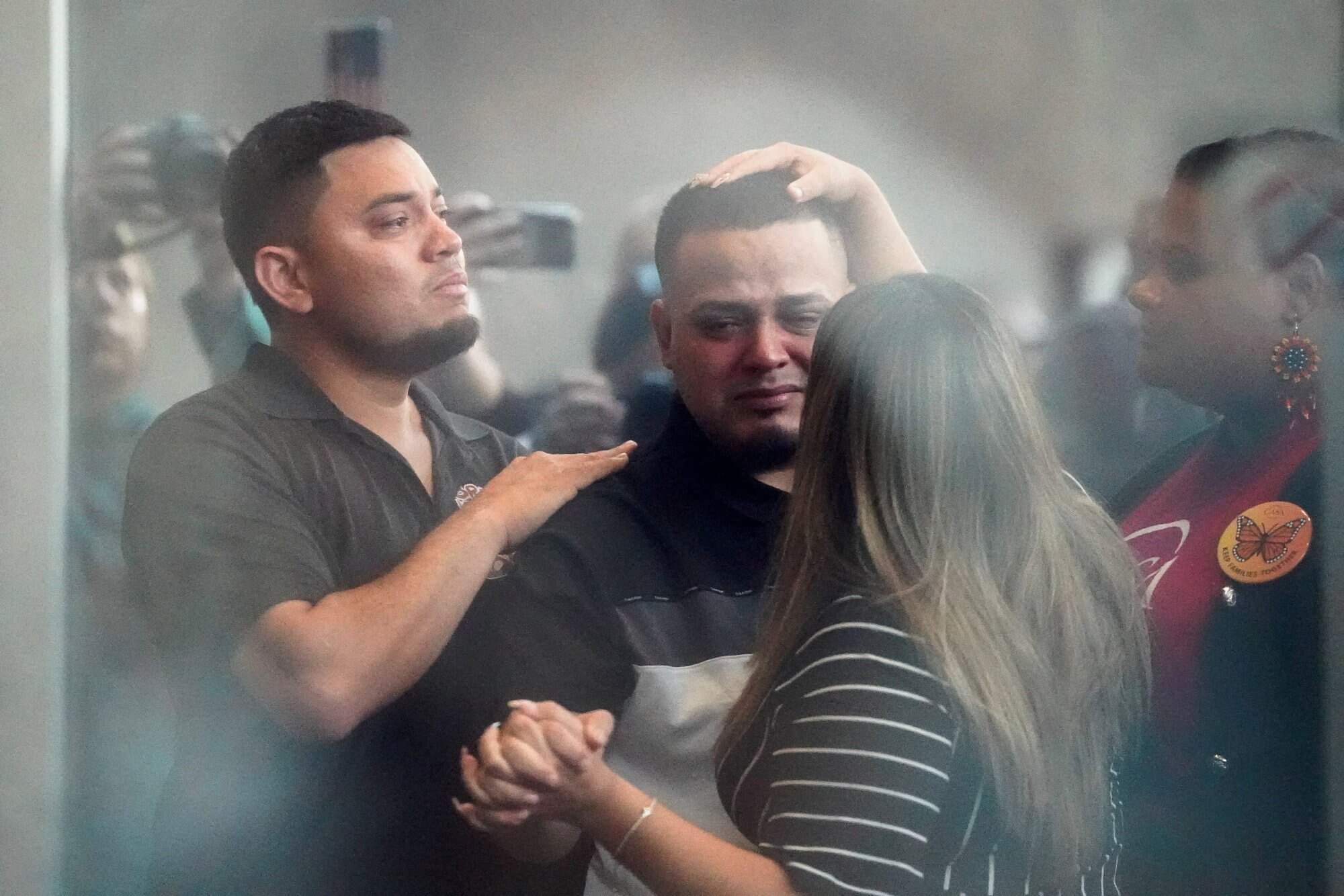
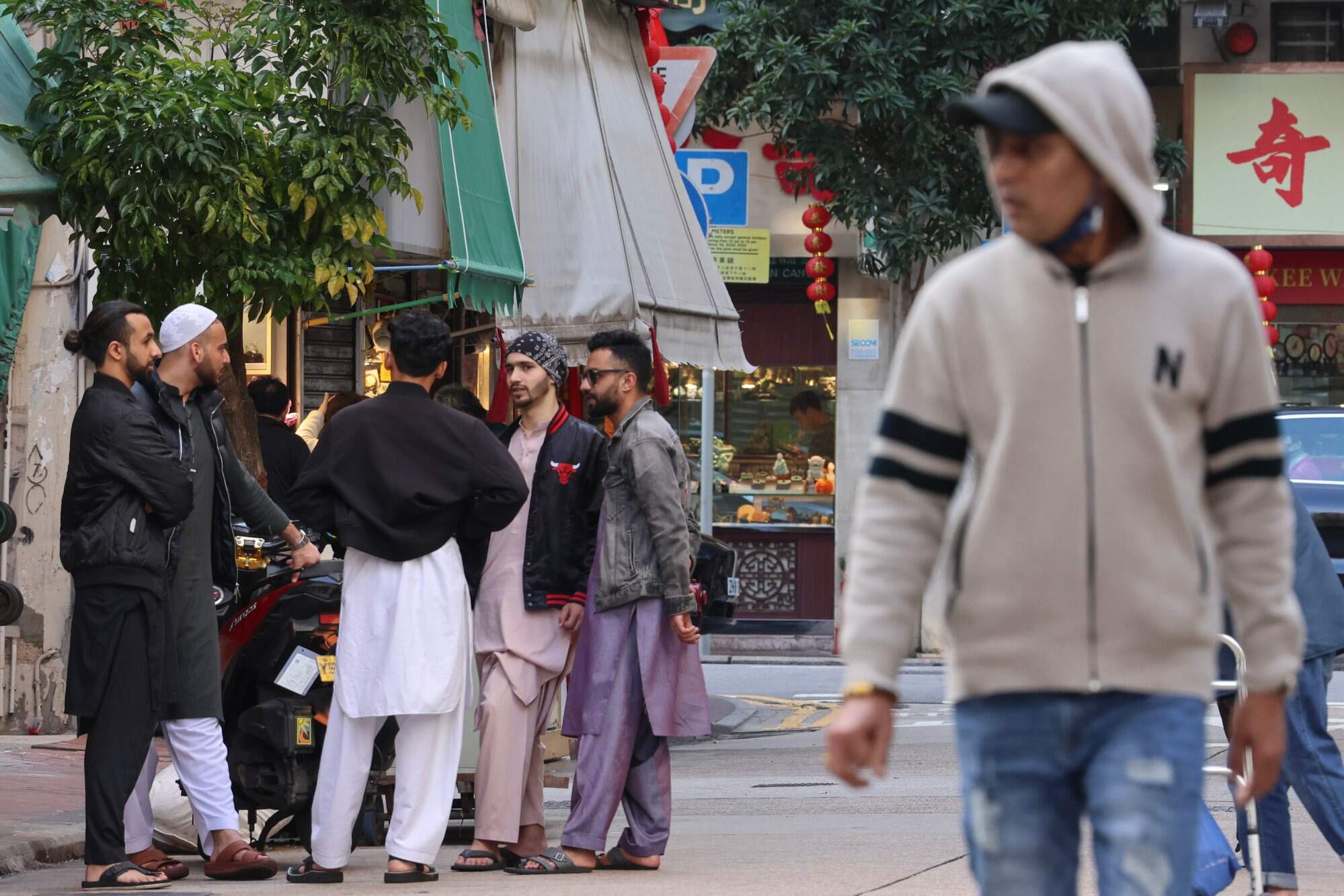
American citizens and communities have rallied and protested against ICE, arguing that the situation has become extreme and targets marginalised groups without reason. They have also expressed concern about the inhumane treatment faced by immigrants.
Protests have taken place nationwide, in large cities and small towns, and have also been supported by celebrities and lawmakers. Many have slowly escalated into violent clashes, often exacerbated by the National Guard – a state-based military force activated for federal missions – and marine troops who use weapons such as tear gas, rubber bullets and firearms.
I think protesting is reasonable. If ICE has become so extreme that ordinary US citizens are willing to go to great lengths to stop operations, it is evident that something gravely wrong is happening here.
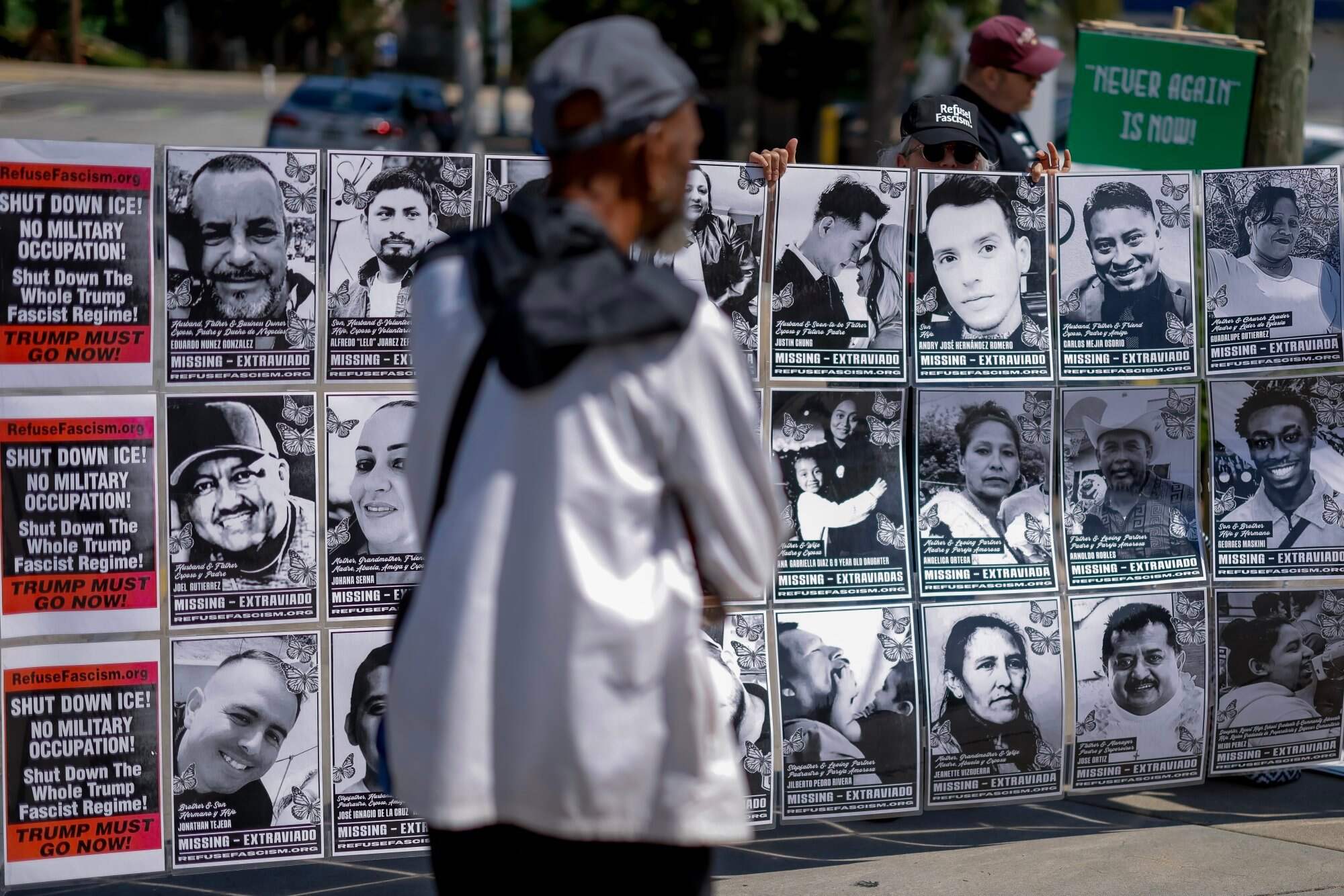
Although some protests have turned violent, I don’t think all the blame should be placed on the protesters. Authorities have been involved, witnessed such activity with their own eyes and have still refused to see what is clearly an issue.