Have something to say? Send us a letter using this form.
Rational consumption
Wong Wai-tung, King Ling College
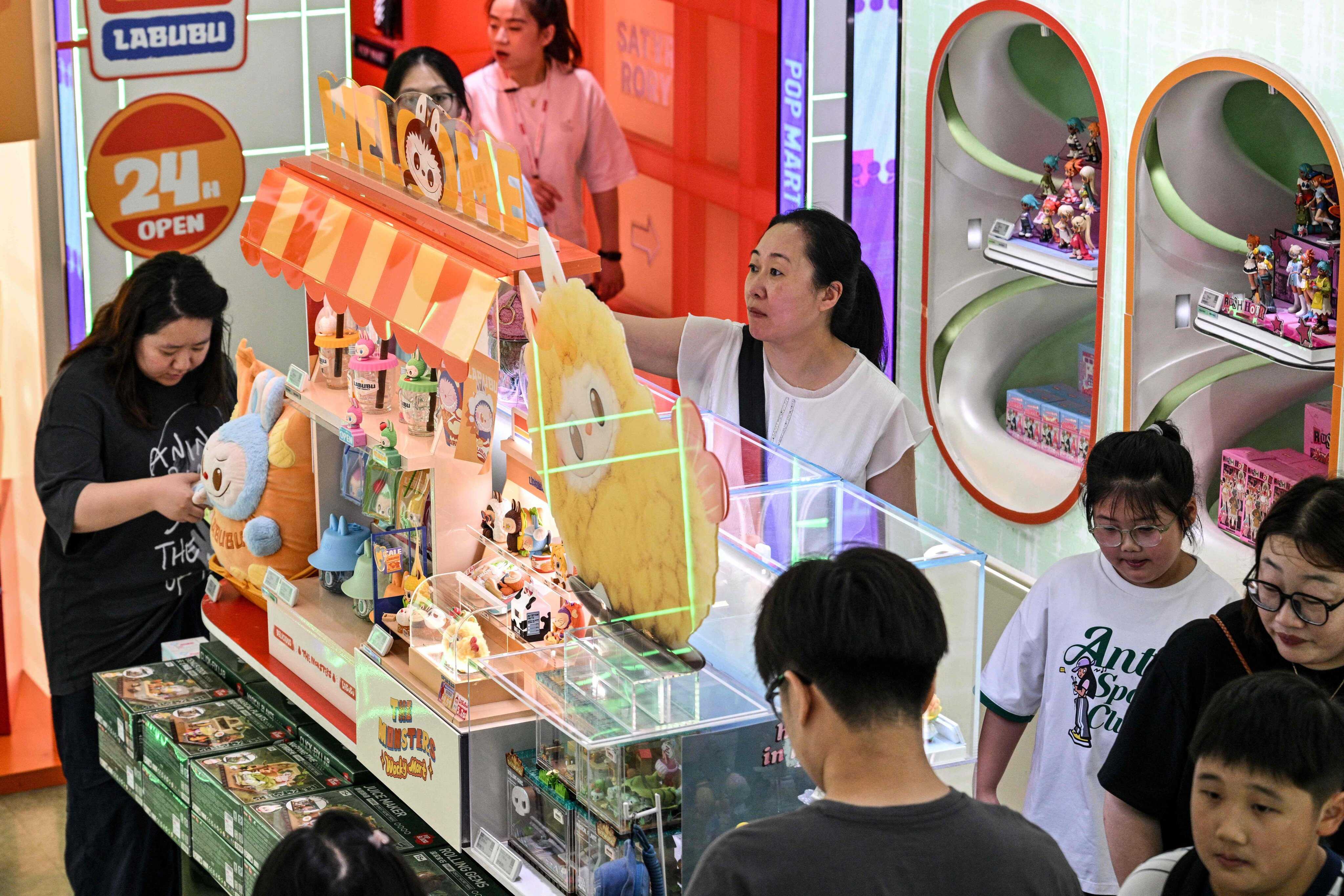
The popular, trendy toy Labubu has been spotted on celebrities such as singers Lisa and Rihanna, often paired with expensive luxury goods like designer handbags.
Trendy toys have long triggered buying frenzies. Chiikawa, Ne Zha and My Little Pony, among others, have easy-to-collect playing cards and addictive blind box packaging. Some people have gone to extremes just to get their hands on one of these toys.
For example, some consumers, eager to buy Labubu, queued overnight and even physically fought others to secure a new release.
It has also sparked scrambles among young people, with some willing to spend large sums of money to collect every item in a collection. This is particularly worrying, as young people often still lack developed money management skills.
Some may argue that the act of buying can bring them happiness, relieving them of stress from work or school. This is understandable, but we must address some consumers’ irrational behaviour.
I hope the government and local authorities will raise awareness and address the unacceptable behaviour sometimes seen at toy stores. Parents should also help their children learn about money.
Gaming curfew for teens
Chloe Cheung, SKH Tsang Shiu Tim Secondary School
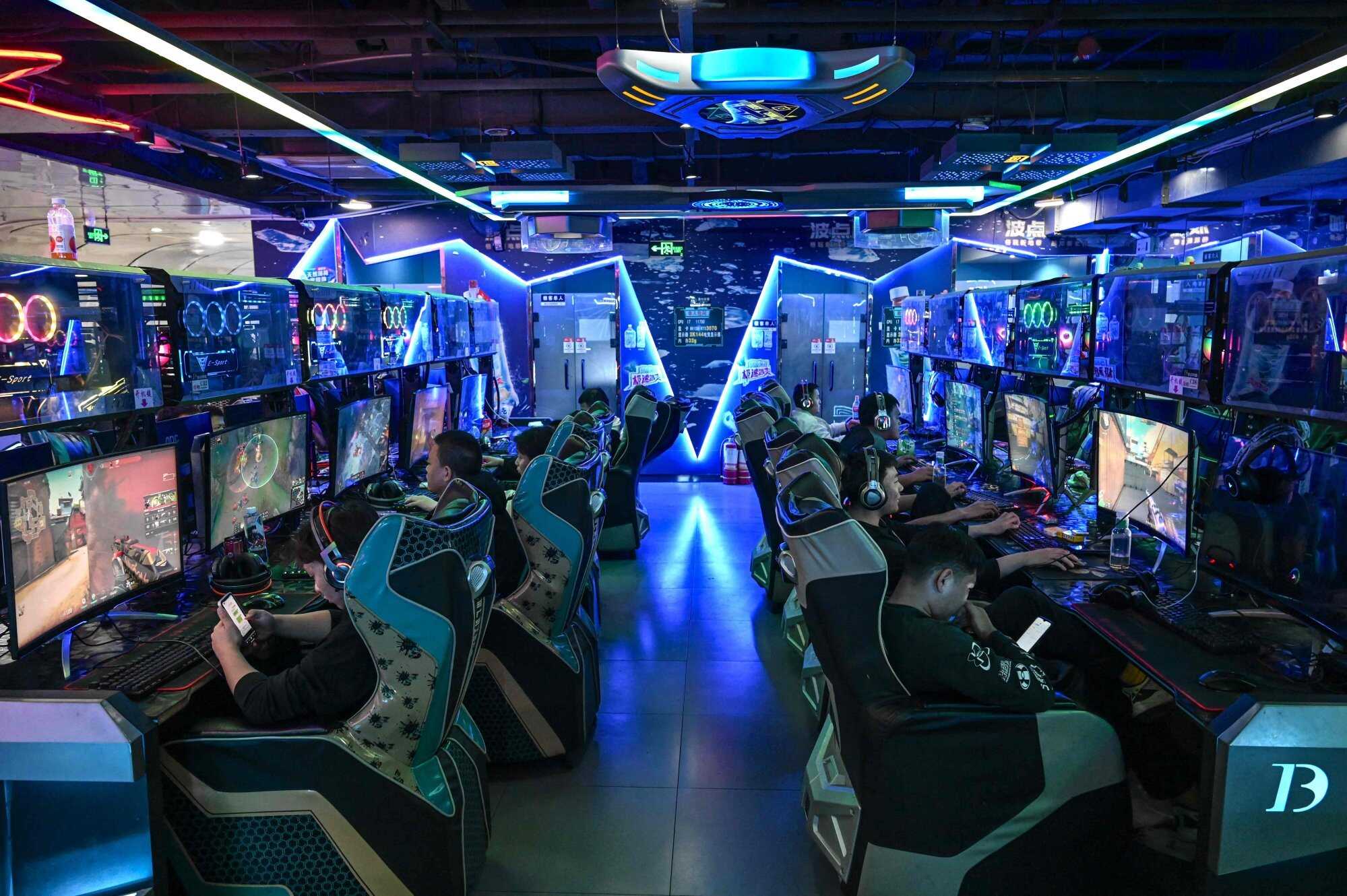
To tackle the rising number of teenage gamers and rates of gaming addiction, China is limiting game time for those under 18 to one hour per day on weekends and public holidays. Hong Kong should adopt a similar curfew.
First, this policy will help students prioritise their studies. Many games are designed to keep players engaged by using instant gratification. Teenagers then spend excessive time gaming and neglect their academics.
A 2023 study found that students who played over 30 hours of games per week had weaker academic performance and spent less time on physical activity and studying.
Second, the policy could improve teenagers’ health. Excessive gaming often results in prolonged sitting, leading to obesity, poor posture and cardiovascular issues. Studies have shown that 50 to 70 per cent of adolescents who spend over three hours daily on screens report neck and back pain.
Finally, reduced screen time will allow teenagers to reconnect with their surroundings, hold quality conversations with family and friends, and take part in enriching activities like visiting museums.
Dedicated reading time
Billy Bang Sai-wing, Tsuen Wan Public Ho Chuen Yiu Memorial College
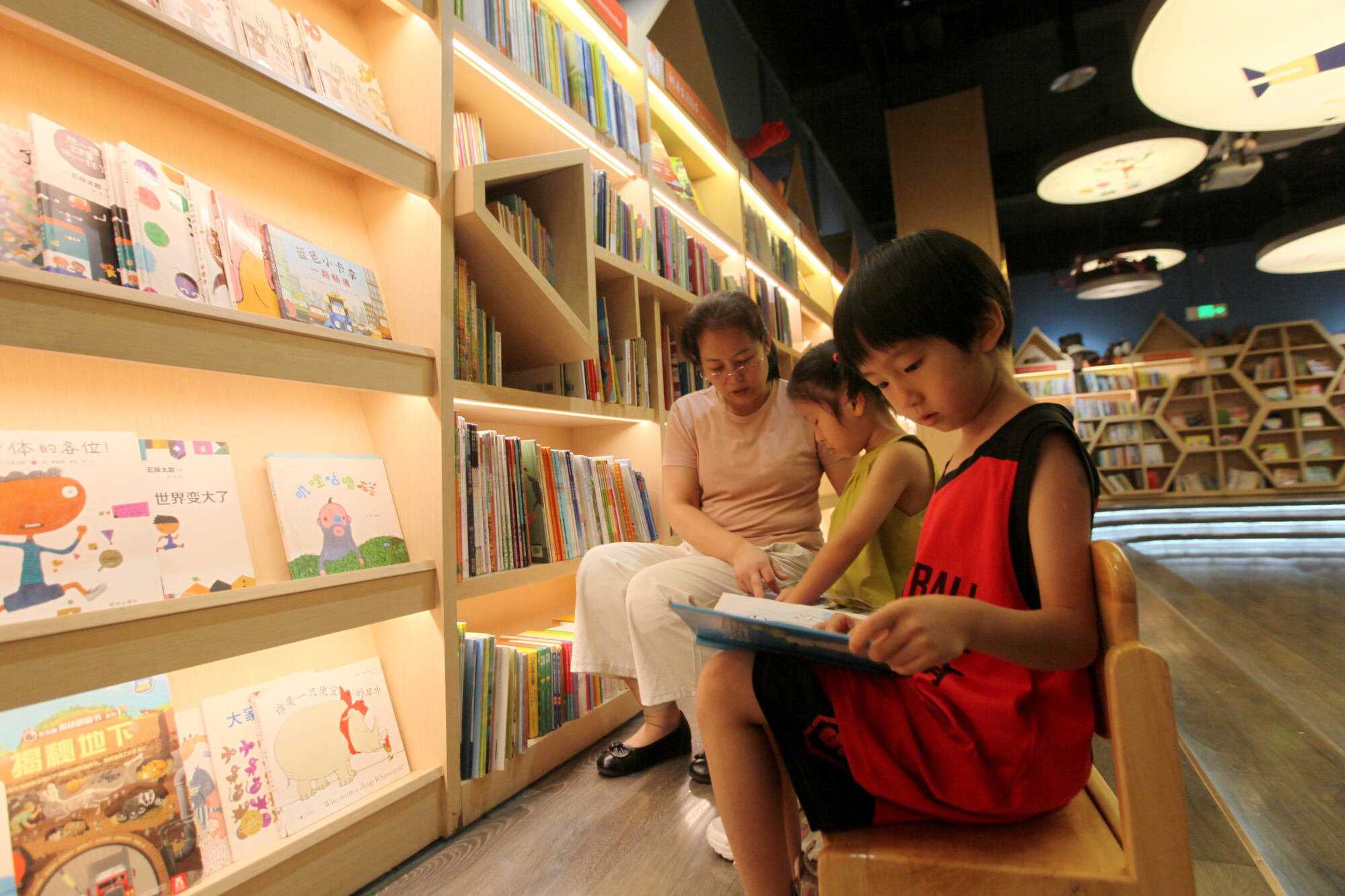
If I could create a rule for my school, it would be to have 20 minutes of silent reading time after lunch for every student. This would encourage them to develop a daily reading habit.
Most students are very focused on their studies and neglect reading books for leisure. Hong Kong’s secondary school curriculum puts excessive stress on students, leaving them overwhelmed and anxious. This dedicated reading period would provide them with a daily opportunity to relax.
Students should choose books that interest them to make this reading period enjoyable rather than a punishment. Reading English literature could help them build their vocabulary and improve their language skills, enhancing their academic performance and broadening their horizons.
Students can also gain more knowledge about real-world issues through books, potentially equipping them with the skills needed for the future. Fantasy elements in some fiction can boost creativity, while non-fiction can help them become more informed and even acquire practical skills.
Say no to AI tutors
Cheryl Chan Cheuk-wing, Pui Kiu College
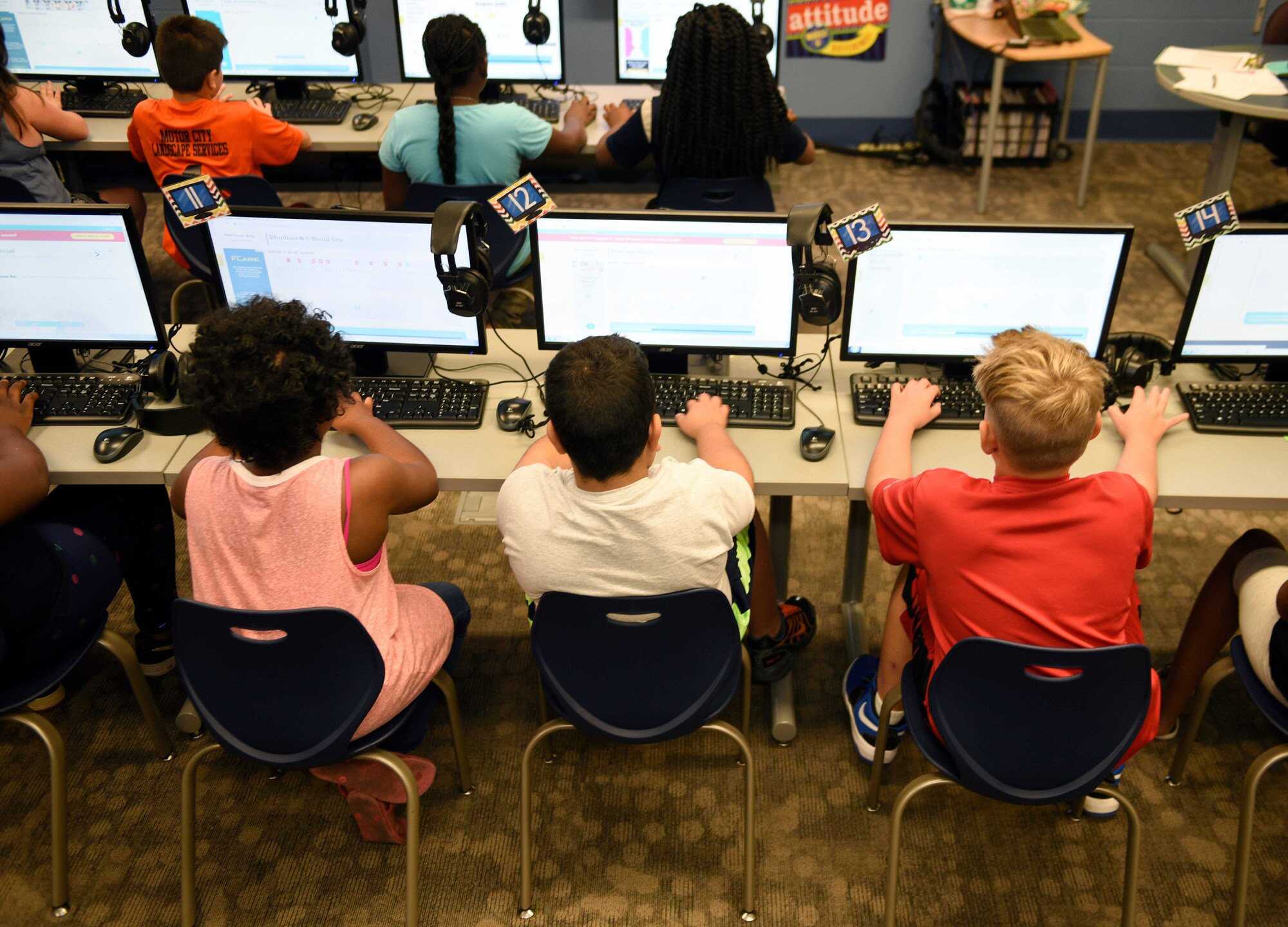
Artificial intelligence (AI) may seem useful in our work and daily lives, but it also poses a significant risk to education and learning. Many students use AI “tutors”.
An April 2025 survey by the University of Hong Kong of 500 secondary school students found that more than 70 per cent of respondents who said they used AI as a tutor admitted to then looking for quick answers generated by AI instead of delving into the content and trying to understand the information deeply.
This means AI is hindering students at this crucial stage of development.
Additionally, AI may provide quick, sometimes accurate responses, but its widespread adoption hurts teachers. Giving AI more value will lead to teaching as a profession becoming lower quality, resulting in staffing cuts.
Students will not necessarily improve with AI-aided teaching. Its interactions with students are less effective than those with human teachers. For example, if a student is confused, an AI tutor might provide repetitive explanations that do not address a specific misunderstanding.
Students may even misuse AI to cheat on schoolwork. AI can also be dangerous, often tracking user behaviour and collecting data without consent.