Do you have something to say? Send us a letter using this form.
Beauty in the ordinary
Sharon Xu, King Ling College
Recently, I read a BBC article called “Why do the Japanese use umbrellas when it’s sunny?”.
The article mentioned that, in Japan, umbrellas are not just for protection against rain or sun. They have a spiritual side too.
The article said umbrellas can be like tools for summoning or protecting, which is different from how most of us see them.
In some traditional Japanese beliefs, umbrellas might even be used in rituals to call upon good fortune or ward off bad luck. This is so unlike what I’m used to, as in many other countries, umbrellas are mostly just practical things.
I think it’s cool how different cultures give ordinary objects such different meanings. It makes me think about how other everyday things might have hidden cultural stories. Maybe chopsticks in some Asian countries represent more than just eating – perhaps they symbolise respect or are tied to family traditions.
I hope more articles like this come out because they open our eyes to the beauty of cultural differences.
Discovering these small wonders can help us better understand and appreciate one another. It’s a reminder that even the most ordinary objects can hold a world of meaning if we take the time to look.
Appropriate AI use
Ankie Lau Hau-ching, Ma On Shan Tsung Tsin Secondary School
AI use is becoming increasingly common and acceptable, especially in academia.
However, students often use AI inappropriately: they ask it to write their essays, generate ideas or even write an entire paper for them, copying the results rather than thinking for themselves.
This is unsuitable behaviour because it will weaken their creativity, problem solving and thinking abilities.
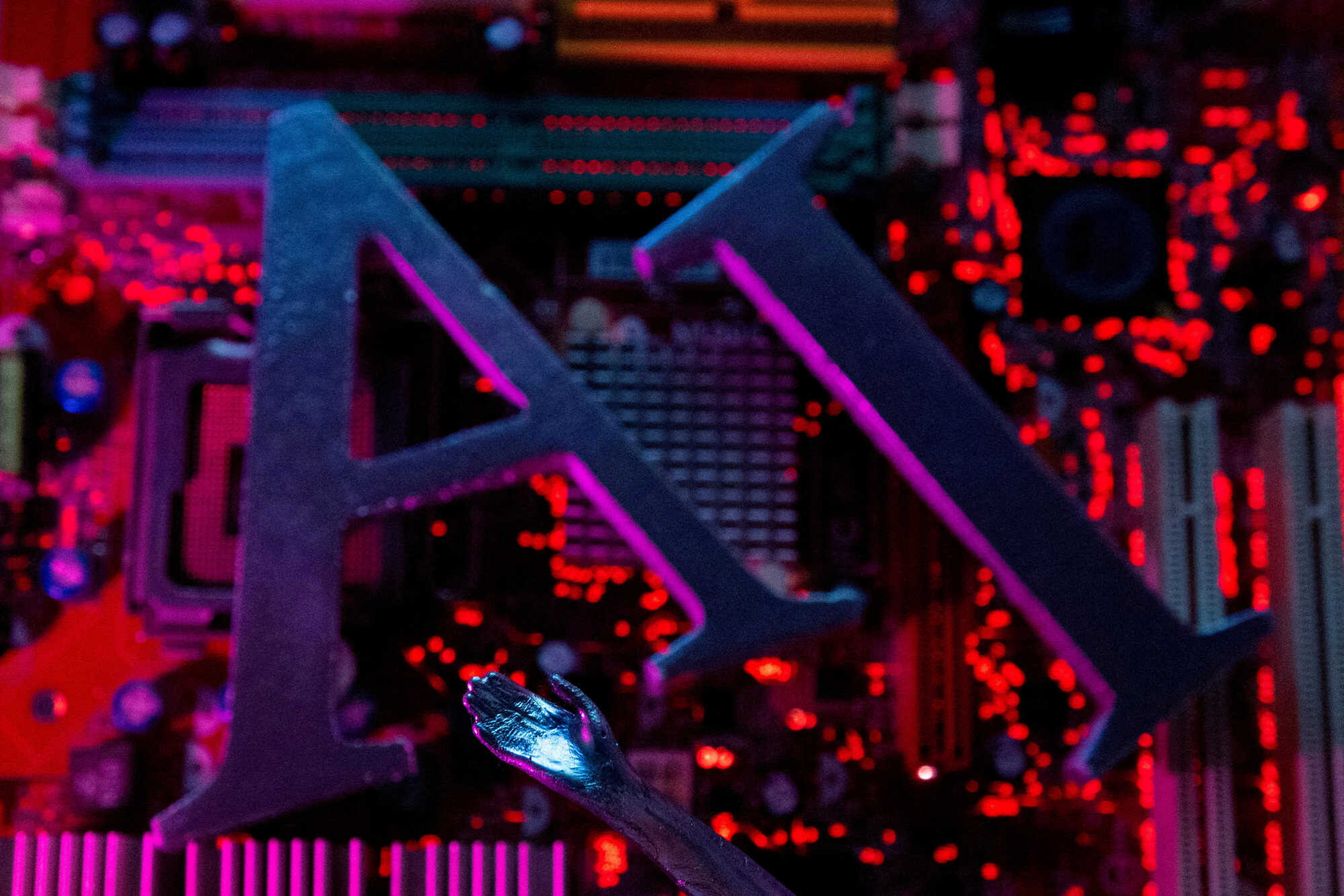
Writing is a structured process that strengthens creativity and critical thinking and enables students to express themselves in unique ways – an irreplaceable skill. If students continue using AI in this manner, their writing will become superficial and dull because it lacks the student’s personal emotions and original thoughts.
Nevertheless, if students use AI more appropriately – for example, asking AI for feedback, suggesting alternatives or providing modified versions of essays – it can help them gain insight. This type of engagement can help them consolidate their knowledge. To conclude, if AI is used in a positive way, it can help us learn vital skills for our daily lives.
Social media and teens
Athena Cheung Yuen-ching, St Catharine’s School for Girls
For teenagers like me, apps like Instagram, TikTok and YouTube are not just for fun; they are a big part of how we talk to friends, share our lives and learn about the world. But is social media actually good for us?
Social media helps us stay connected. We can easily chat with friends, join group discussions about schoolwork, and share photos or videos from our daily lives. It is useful for keeping in touch with family or friends who live in other countries.
Social media can also be educational. We can learn English by watching videos or even develop new skills like drawing or cooking from tutorials.
However, social media also has a dark side. When we see other people posting pictures of their perfect holidays, expensive gifts or happy gatherings, it is easy to feel insecure or jealous. We might think that our own life is boring or not good enough. It may make us feel sad or affect our confidence.
So, what should we do? The problem is not social media itself, but how we use it. Remember that most people only post the best parts of their lives, so we should not believe everything we see. Most importantly, we must always be respectful and kind online.

How to stop cyberbullying
Ng Nok-sum, Pope Paul VI College
I am writing to express my opinion about a pressing issue in our digital age: cyberbullying.
As technology evolves, so do the ways individuals can harm one another. Understanding the roots of cyberbullying is crucial for developing effective strategies to combat it, and a key element in this fight is emotional regulation.
The roots of cyberbullying are complex. Many bullies often act out of their own insecurities, seeking to exert power and control over others. They may struggle with feelings of inadequacy or frustration, leading them to project their emotions onto others.
Additionally, the anonymity afforded by the internet can embolden people to act in ways they might not dare in face-to-face interactions, diminishing their sense of accountability.
Emotional regulation plays a vital role in altering this behaviour. By teaching people how to manage their emotions, we can encourage empathy and self-awareness.
Programmes focused on emotional intelligence can provide individuals with the tools to recognise and regulate their feelings. They could also help them understand the true impact of their actions on others.