

YoungPost Club Learn
DOWNLOAD OUR APP
appstoregoogleplay
FIND US AT
My JourneyMy VocabularyMy Leaderboard
My AccountSearchAbout UsContact Us
Subscription Plan
School Subscription
YOUNG POST
NewsTrendingBeing wellLearning zoneShare with usQuizzes
SPARK
NewsTrendingBeing wellLearning zoneShare with usQuizzes
POSTIES
Big readEye on the newsHa-ha-happeningsThings to doYour saySteam studioHealth and happinessQuizzes
Subscribe to Young Post Club to access our great content
ABOUT US|CONTACT US|WRITE FOR US|PRIVACY POLICY|TERMS & CONDITIONS
©2025 Young Post Club. All rights reserved.
My Journey Hello
Brand Avatar
Young Post
My Journey illustration

With a subscription, you can answer quizzes and track your reading progress.

Spark / Stories

Ancient origins of the Chinese clay flute

The xun is shaped like an egg and is the signature clay instrument in modern Chinese orchestras
bySCMP
Published: 2:00am, 29 Sep 2024
Length: 167 words
Ancient origins of the Chinese clay flute

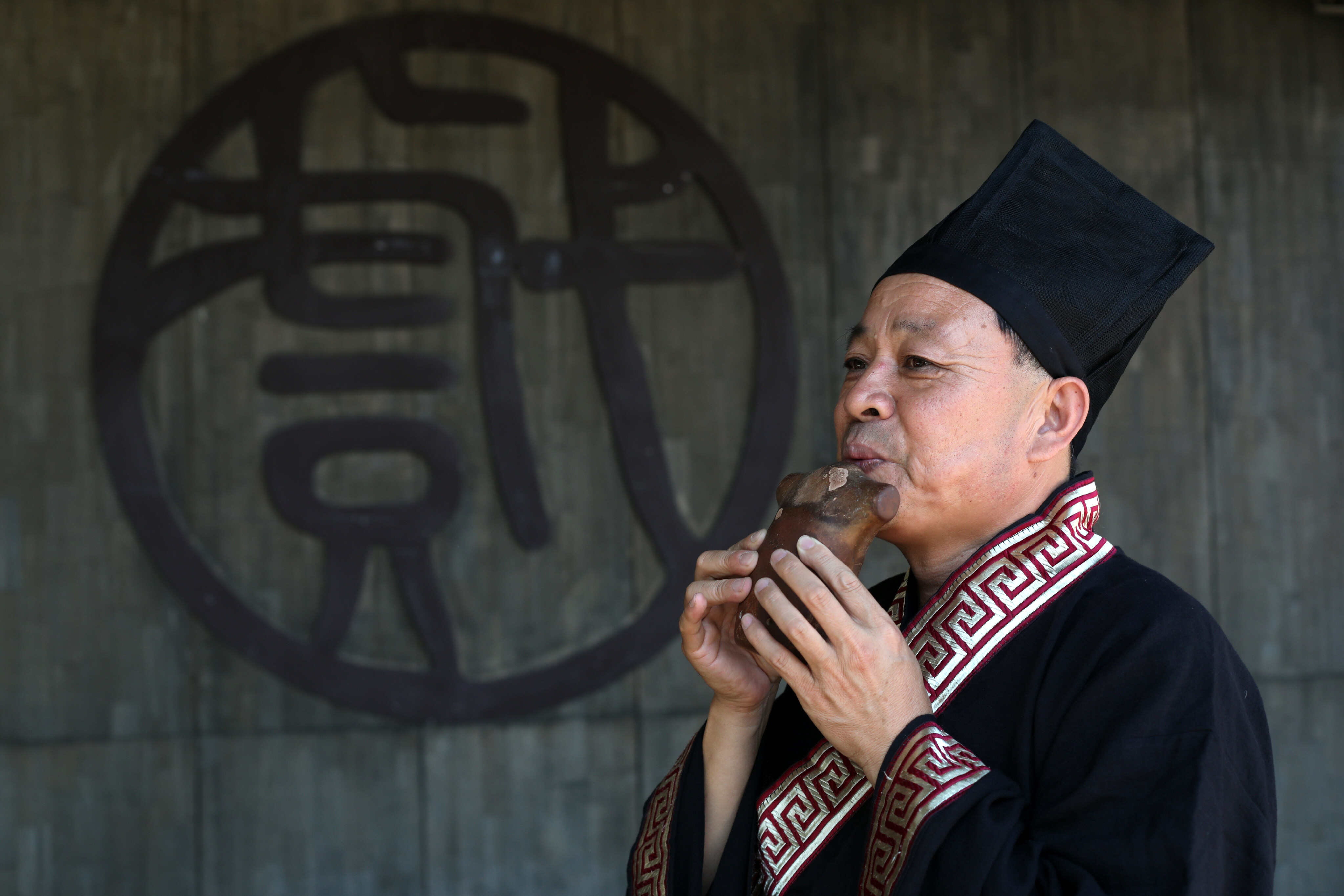
A musician plays the xun, an ancient Chinese musical instrument, at a village in Zoucheng, Shandong, China. Photo: Xiaomei Chen

Clay is a versatile material that can be made into many types of objects. It is most often associated with pottery, which has many years of history worldwide.

Less well-known are the musical instruments made of clay. They have been played in China since the Zhou dynasty (1046BC-256BC). Today, clay is one of the bayin, the eight categories into which Chinese instruments are grouped based on the material traditionally used to make them.

The xun – pronounced huen in Cantonese – is a flute shaped like an egg but with a flat bottom. It is the signature clay instrument of modern Chinese orchestras.

Modern examples have multiple finger holes. The earliest surviving sample, found at an archaeological site in Zhejiang province that dates to 5000BC, has only one.

IN THIS ARTICLE
Easy reading