




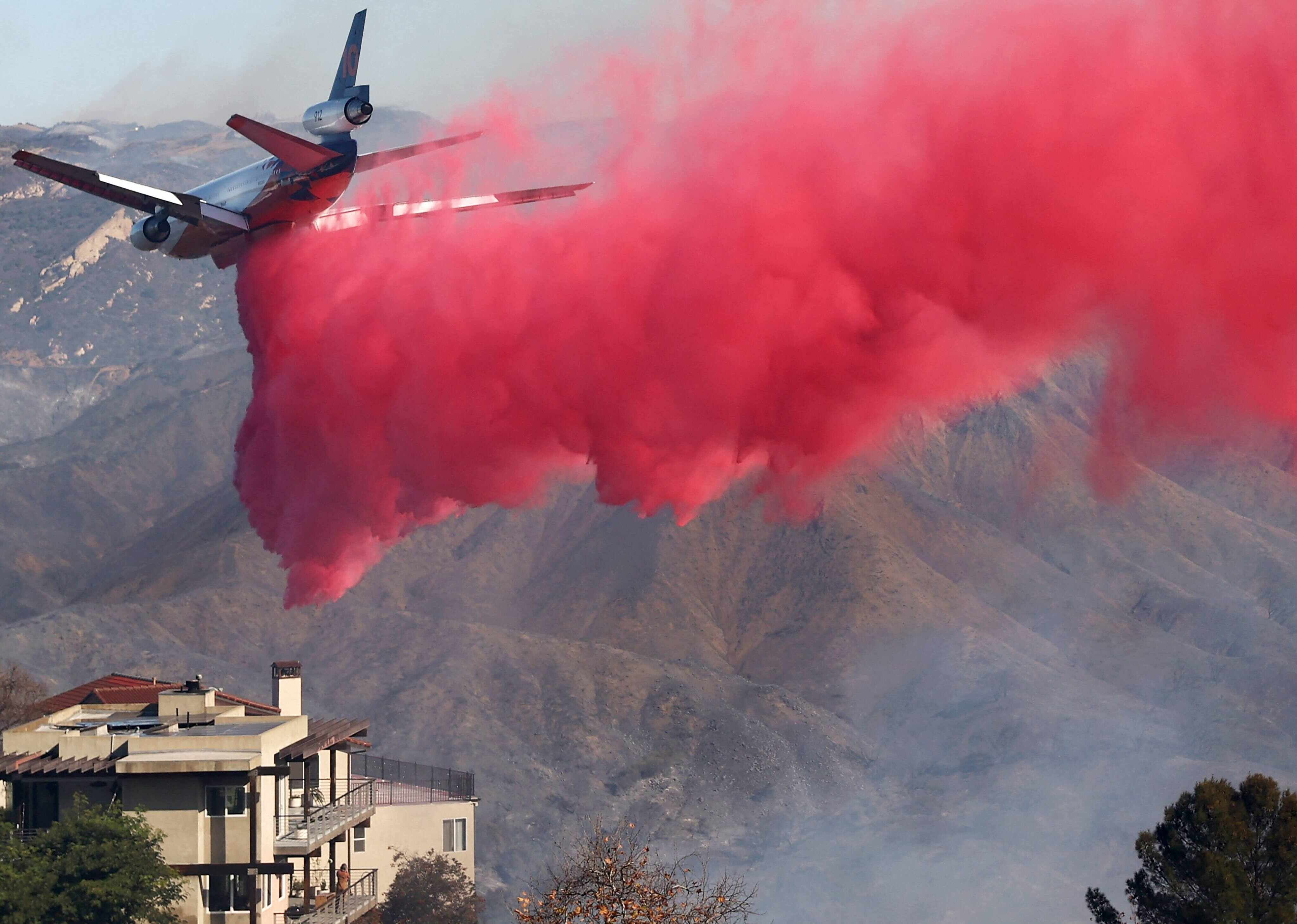
Last month, roaring fires devastated parts of Los Angeles. To fight the fires, air tankers dropped gallons of bright red and pink slurry over forests, homes, cars and anything else in the blazes’ path.
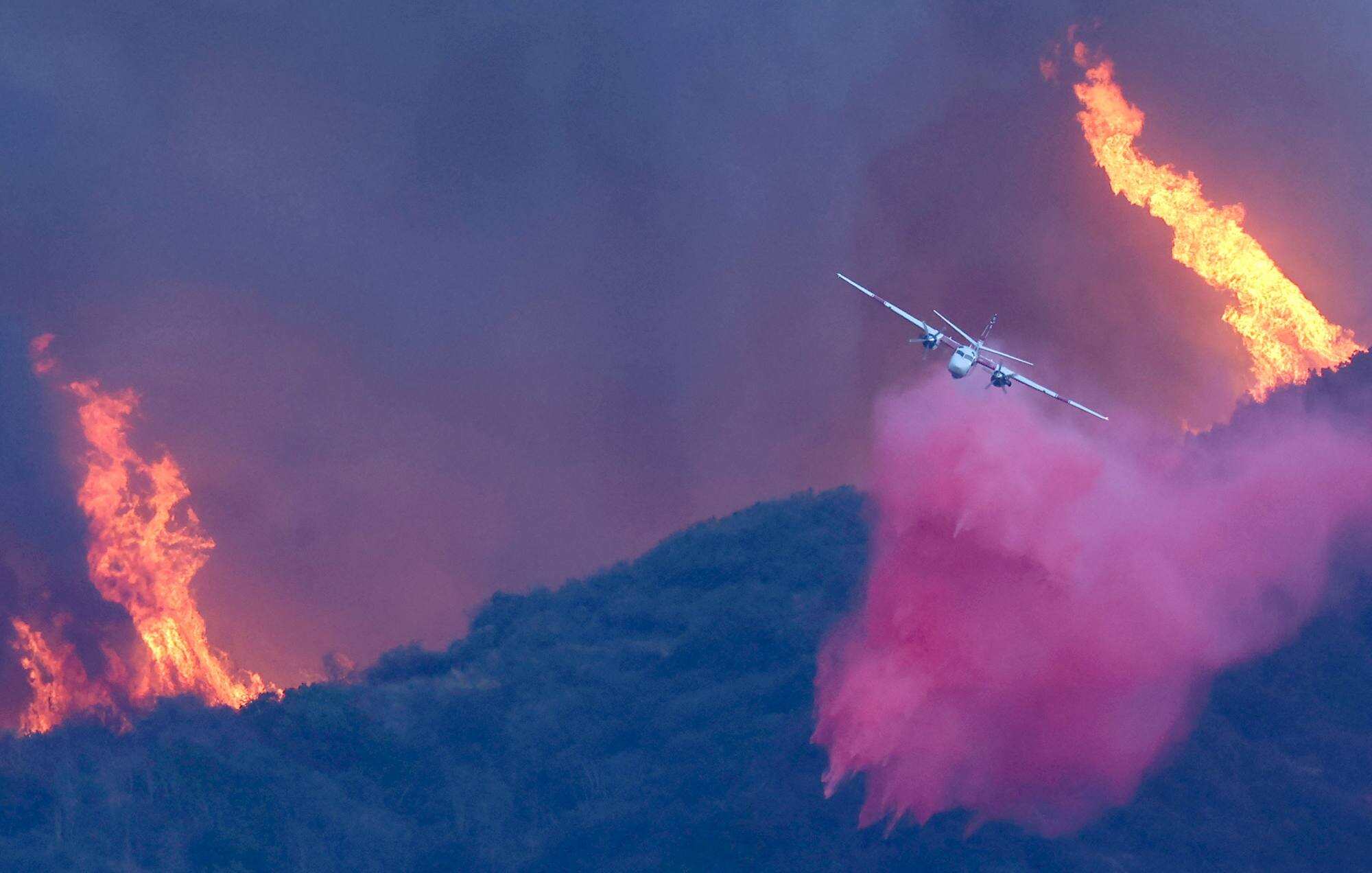
The brightly-coloured substance is a fire retardant, a substance that is used to slow down or stop the spread of fire. Its bright hue helps pilots know where to make the next drop. Much of it is a product called Phos-Chek that has been used by the US Forest Service since the 1960s.
“You can see it so easily ... It’s amazing stuff,” said Jason Colquhoun. He is a pilot with HeliQwest, a charter helicopter company specialising in putting out fires.
Meeting environmental law
The Forest Service said it only used retardants that “meet the Environmental Protection Agency’s criteria for being ‘practically non-toxic’ to mammals, including humans and aquatic species”.
It does not allow drops in waterways and areas home to vulnerable species – unless the fire is threatening human life or public safety, and the retardant could be “reasonably expected” to fight that threat, according to spokesman Wade Muehlhof.
But accidents do happen, he said, “whether through wind drift or an inadvertent drop”.
Perimeter Solutions is the fire protection equipment supplier that sells Phos-Chek. The company said it contained no forever chemicals or substances “known to cause cancer or other harms” under California law.
How safe is it?
In the last month, Phos-Chek was dropped on residential areas at an “unprecedented” scale, said Daniel McCurry. He is an associate professor of civil and environmental engineering at the University of Southern California.
McCurry expressed some caution. He cited a former firefighter telling him that the high winds that fanned the fires in Los Angeles could have limited its effectiveness.
He also said the Forest Service had been successfully sued in the past on environmental grounds and that Phos-Chek was probably harmful to the environment.
“On the other hand, the human health impact is still a little unclear,” he said. He added that it would take “a lot” of retardant to poison a reservoir.
What gives Phos-Chek its distinct colour?
Phos-Chek is a bright red colour because it contains iron oxide. Iron oxide makes the red colour permanent, lasting for many years. Sometimes, a temporary red colour is used. This comes from a special dye that changes colour when exposed to light.
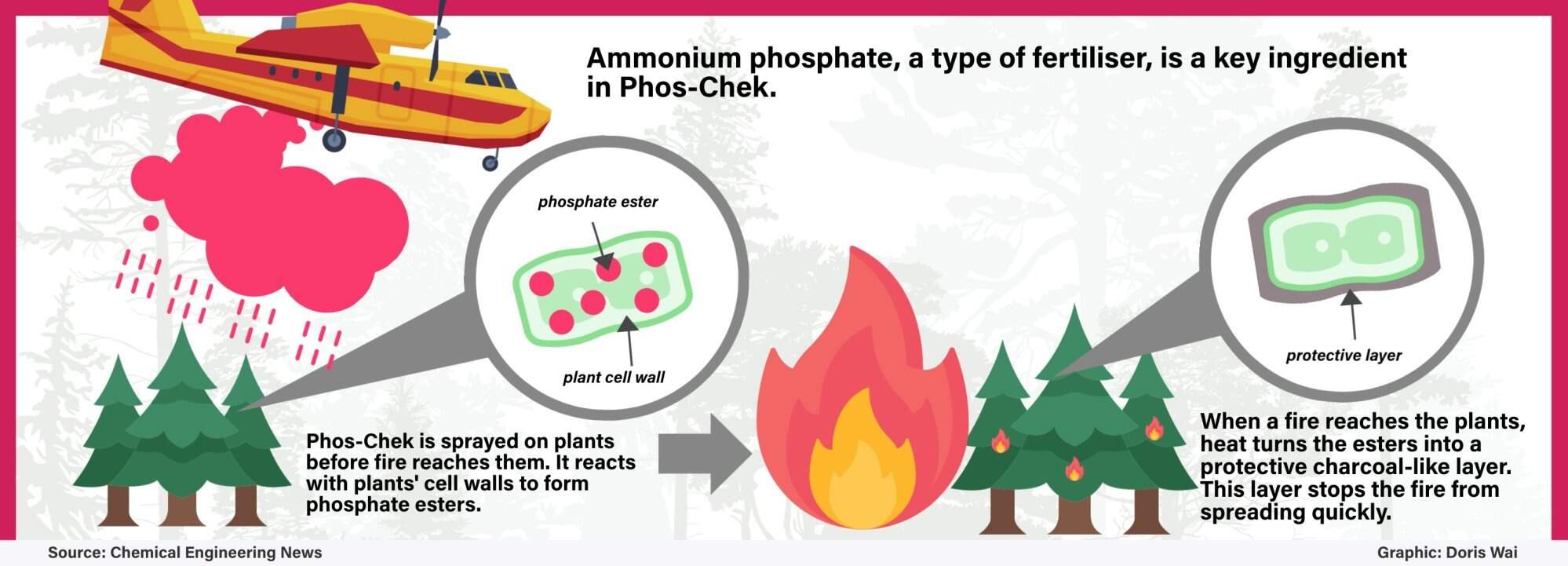
Phos-Chek consists mainly of ammonium phosphate (see graphic). Other ingredients include thickeners made from gum. This makes the retardant thicker so it falls more accurately and sticks to the plants better. This ensures the Phos-Chek solution is delivered effectively and remains in place to suppress the wildfires.
