

YoungPost Club Learn
DOWNLOAD OUR APP
appstoregoogleplay
FIND US AT
My JourneyMy VocabularyMy Leaderboard
My AccountSearchAbout UsContact Us
Subscription Plan
School Subscription
YOUNG POST
NewsTrendingBeing wellLearning zoneShare with usQuizzes
SPARK
NewsTrendingBeing wellLearning zoneShare with usQuizzes
POSTIES
Big readEye on the newsHa-ha-happeningsThings to doYour saySteam studioHealth and happinessQuizzes
Subscribe to Young Post Club to access our great content
ABOUT US|CONTACT US|WRITE FOR US|PRIVACY POLICY|TERMS & CONDITIONS
©2025 Young Post Club. All rights reserved.
My Journey Hello
Brand Avatar
Young Post
My Journey illustration

With a subscription, you can answer quizzes and track your reading progress.

Spark / Stories

Study finds many ancient Greek and Roman sculptures were scented

New research revealed that the statues were anointed with fragrant oils and perfumes
byAgence France-Presse
Published: 2:00am, 01 Apr 2025
Length: 152 words
Study finds many ancient Greek and Roman sculptures were scented

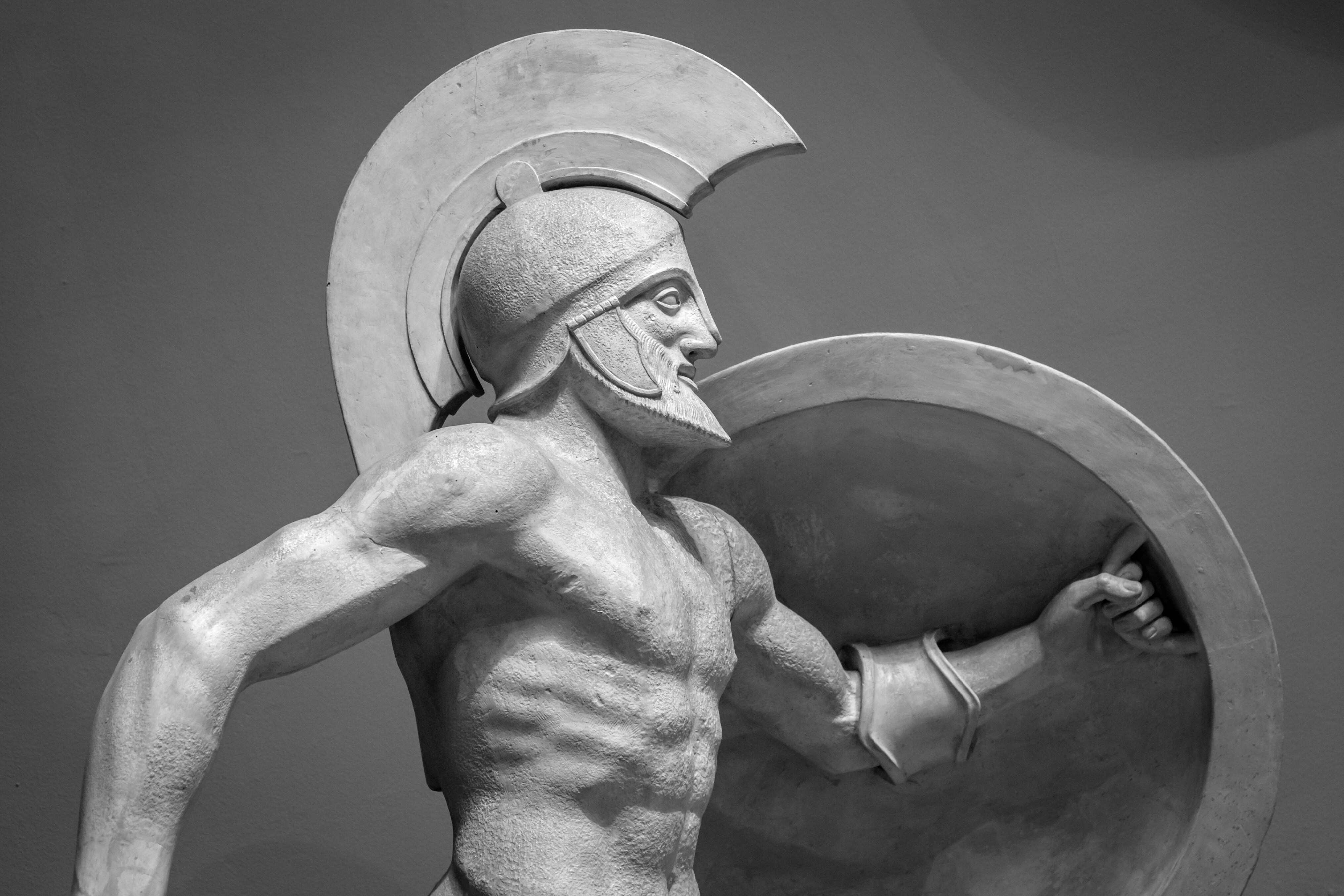
A new study has found that many ancient Greek and Roman statues were likely scented with oils and perfume. Photo: Shutterstock

Science has previously shown that sculptures from ancient Greece and Rome were frequently painted in warm colours. A recent study from Denmark has now discovered that some of these sculptures were also scented.

“A white marble statue was not intended to be perceived as a statue in stone. It was supposed to resemble a real god or goddess,” the study’s author, Cecilie Brons, said.

Brons is an archaeologist and curator at the Copenhagen Museum Glyptotek. She made the discovery after immersing herself in the works of Roman writers like Cicero and inscriptions on ancient Greek temples.

In Delos, Greece, temple inscriptions show that some statues were kept in good condition by rubbing them with rose-scented perfume.

IN THIS ARTICLE
Easy reading