

YoungPost Club Learn
DOWNLOAD OUR APP
appstoregoogleplay
FIND US AT
My JourneyMy VocabularyMy Leaderboard
My AccountSearchAbout UsContact Us
Subscription Plan
School Subscription
YOUNG POST
NewsTrendingBeing wellLearning zoneShare with usQuizzes
SPARK
NewsTrendingBeing wellLearning zoneShare with usQuizzes
POSTIES
Big readEye on the newsHa-ha-happeningsThings to doYour saySteam studioHealth and happinessQuizzes
Subscribe to Young Post Club to access our great content
ABOUT US|CONTACT US|WRITE FOR US|PRIVACY POLICY|TERMS & CONDITIONS
©2025 Young Post Club. All rights reserved.
My Journey Hello
Brand Avatar
Young Post
My Journey illustration

With a subscription, you can answer quizzes and track your reading progress.

Spark / Stories

How penguin poop could help cool Antarctica

The smell from their poop forms clouds that block sunlight, but melting ice continues to threaten their survival
byAgence France-Presse
Published: 2:00am, 10 Jun 2025
Length: 200 words
How penguin poop could help cool Antarctica

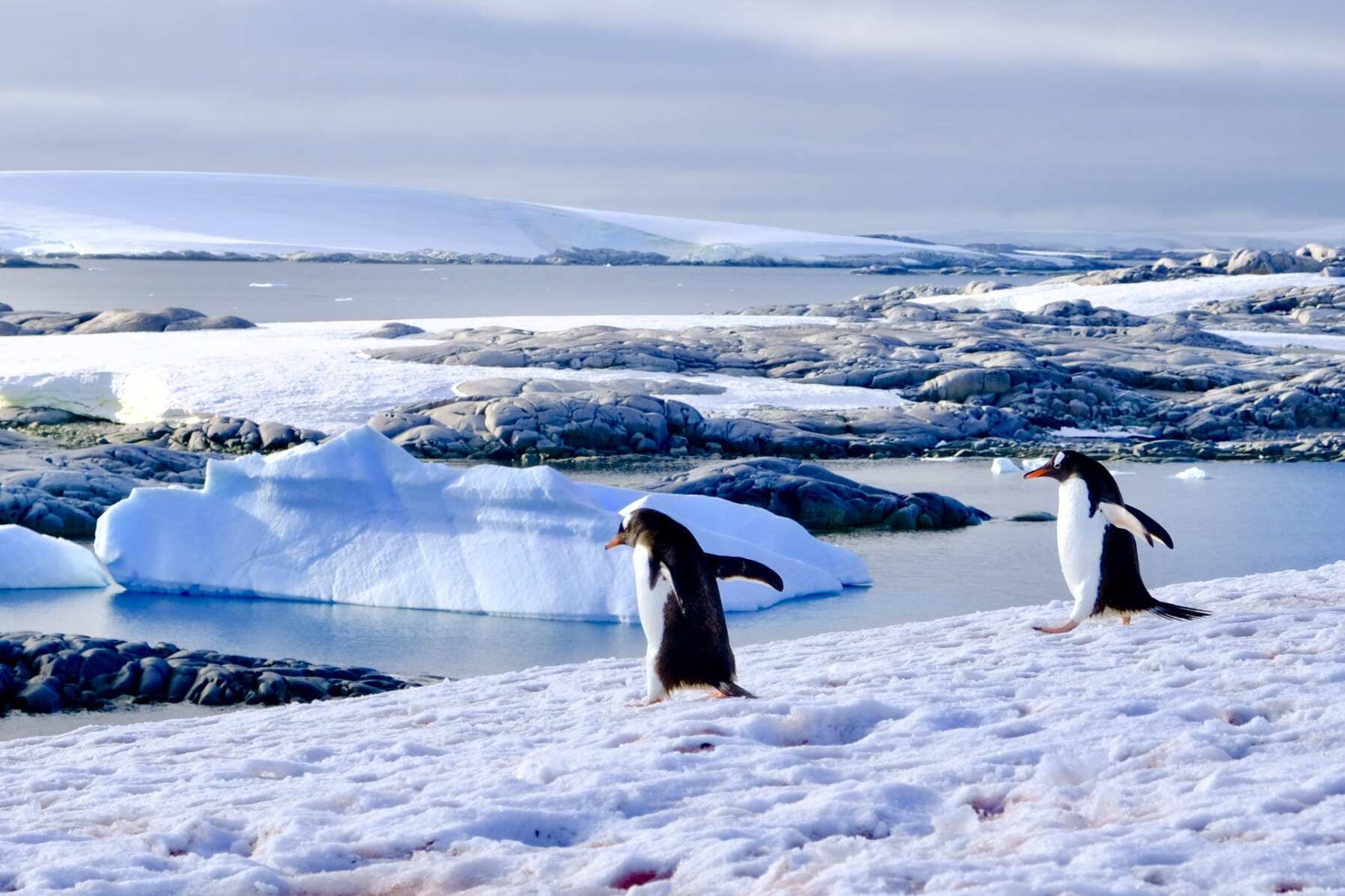
Antarctic penguin poop may create cooling clouds, offering a surprising defence against climate change. Photo: Handout

Antarctica is experiencing rapid warming due to climate change caused by human activities. But a new study suggests penguin poop might help keep the place cool.

The study found that the smell of penguin poop creates more clouds above the coastal areas of Antarctica. These clouds may block sunlight and help lower the temperature.

Penguins produce a lot of ammonia when they poop and pee. When this ammonia mixes with gases from tiny ocean plants called phytoplankton, it helps create small particles in the air. These particles then grow into clouds.

But the effect of clouds also depends on what is underneath them. Ice and glaciers are also very bright and reflect sunlight. So, extra clouds over these bright surfaces could trap heat instead.

Penguins are in danger. Less sea ice makes it hard for them to nest, find food, and hide from predators. This makes it even more important to understand their role in the environment.

IN THIS ARTICLE
Easy reading