





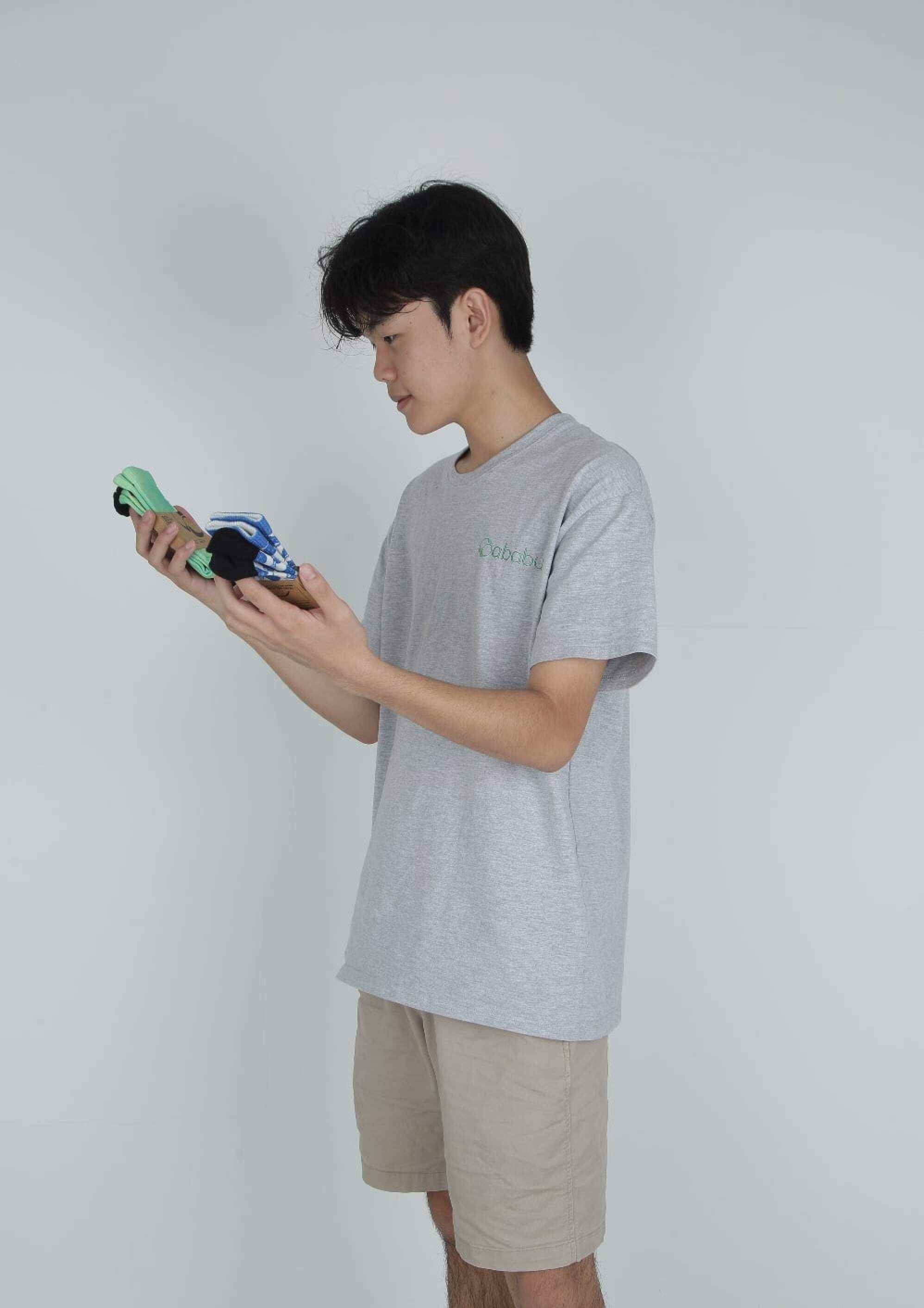
Hong Kong teen Darren Lee started his sock company six months ago. He was eager to support the underprivileged artists making designs for his products.
But in the past few months, the 19-year-old’s business, Sababu Socks, has felt the effects of the US trade war with China. According to Lee, about 30 per cent of his customers are from the United States, so he has to deal with the country’s tariffs on goods from Hong Kong.
Tariffs are taxes on things that are brought into a country from other places.
In April, US President Donald Trump caused panic around the world after proposing increased tariffs on goods from every country. For now, the US and China have agreed to take back most of the increases, but this truce will end in mid-August. Still, US tariffs on many Chinese goods remain higher than they were before April.
The situation remains unpredictable. Small businesses in Hong Kong are trying to stay afloat.
Hong Kong students are ‘hesitant’ to study in US because of Trump’s policies
Take things one step at a time
Because of the US-China trade war, Lee said he became a more flexible business owner.
In April, the Hongkong Post stopped taking parcels with goods to the United States because of Trump’s tariffs. This was Sababu’s original delivery method, so Lee had to find a new way to send socks to his American customers.
The teen entrepreneur also adjusted to the tariffs by increasing shipping fees for small US orders. He also told customers that the delivery timing could be unpredictable. But his company has swallowed the cost on free international shipping for bigger orders.
Now, he is trying to target other markets, such as Europe.
Despite the unstable situation, Lee thinks customers continue buying from Sababu because he is a young entrepreneur and his business supports artists in different African countries.
“People want to support small businesses even more,” he said.
‘Always be ready for change’
Sababu is not the only small Hong Kong-based company that has made changes because of Trump’s tariffs.
Mir Kash is a vegan bag company founded by 29-year-old Rajul Daga. It is based in Hong Kong and its products are made in mainland China. Most of its customers are in Western countries, including the United States. These areas were very profitable for Mir Kash.
“I had started putting a lot of money in the US for my ads and Instagram content,” Daga said.
But her company’s sales have since been threatened by the trade war.
If Trump had kept the April tariffs, Daga said Mir Kash’s US sales would have dropped by at least 75 per cent, and shipping costs would have increased by a lot.
“If you’re buying a handbag, which is US$200 [HK$1,570], why would you pay over US$100 just for shipping?” Daga said.
For now, the young entrepreneur is focusing on the positives.
“I think a lot of my suppliers lost their US clients ... So I have more of their time and more of their energy,” she said.
Daga is also in the process of moving Mir Kash to India, in hopes of targeting vegan-friendly customers there. While she is going to India for personal reasons, she noted that it would also be an “excellent opportunity” for her business.
This flexibility, Daga said, was crucial for any business owner.
“As an entrepreneur, you should always be ready for change – whether it’s externally something’s happened or internally, within the company,” she said.

Additional reporting by Associated Press
-
Reflect: Do any of the things you buy come from other countries?
-
Why this story matters: The constant changes in the US-China trade war are especially difficult for small businesses. It takes a lot of money for them to adapt to changes or survive until things get better.
