




Every week, Talking Points gives you a worksheet to practise your reading comprehension with exercises about the story we’ve written.
Since moving to Hong Kong more than a decade ago, artist Daphne Mandel found herself drawn to rural areas near the city’s border with Shenzhen.
“Slowly, these areas are being urbanised, and right now we’re in that in-between moment where they’re [a] little bit of both [rural and urban],” said Mandel, a 49-year-old artist.
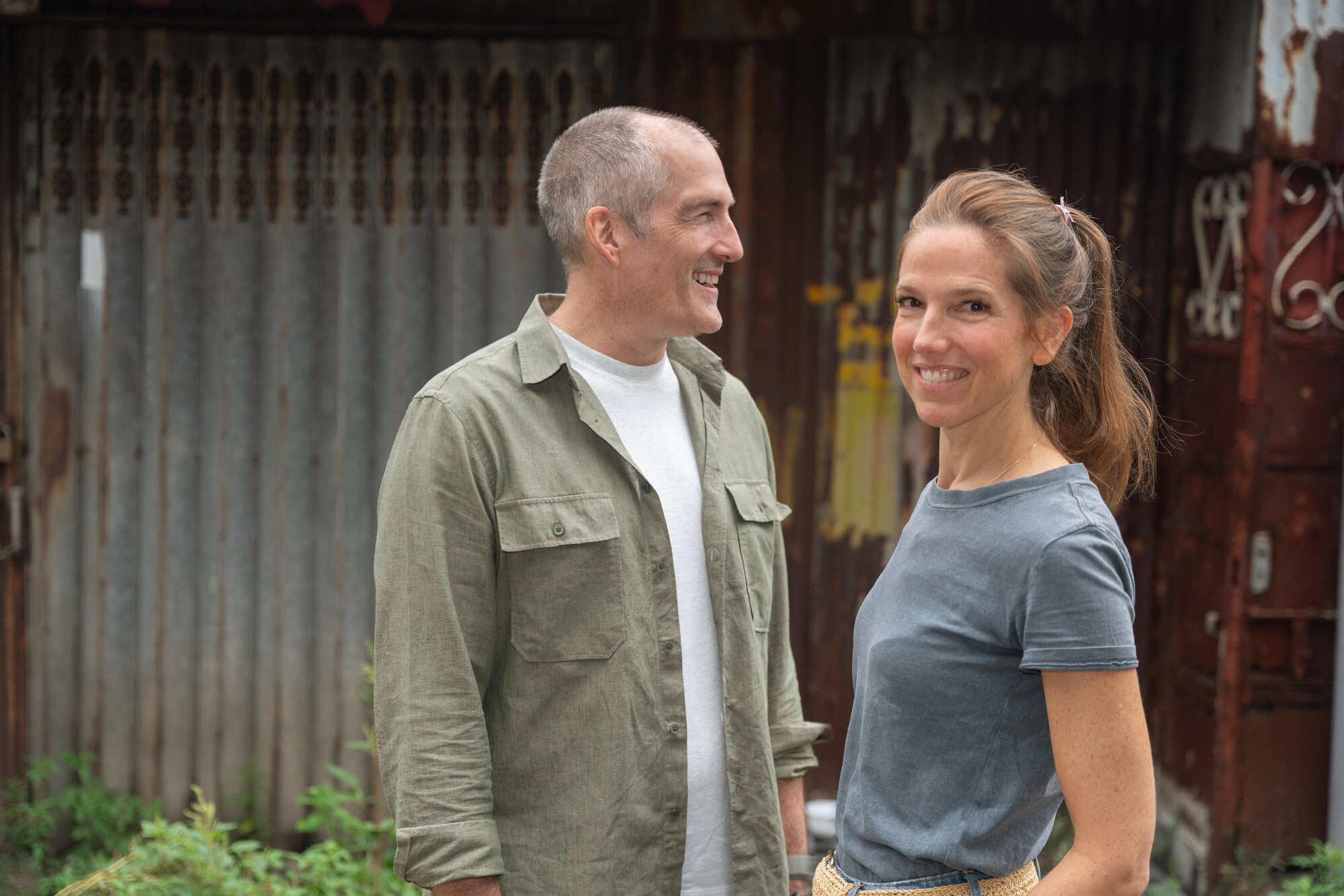
She hoped to capture this “mesmerising” point in time, so she teamed up with her friend, Guy Bertrand, to make a film about the village of Kwu Tung.
The filmmakers recalled how the people there were “so enthusiastic about the fact that we were there to ... tell the stories and collect memories”.
In December, they showed their short film, Cha Guo, for the first time. The title refers to the sticky rice cake that villagers often gave to Mandel on her visits.
Hakka village festival shows Hong Kong’s beautiful countryside and heritage
Focus on traditions
Mandel and Bertrand wanted the film to highlight the stories of Kwu Tung’s residents.
“[We] decided ... to do portraits, meeting people that were from different walks of life [and] have different backgrounds, some in small industries, some that are just residents,” said Bertrand, a 59-year-old photographer and filmmaker.
He added that villagers had “a classic Hong Kong spirit” – especially in their dedication to traditions.
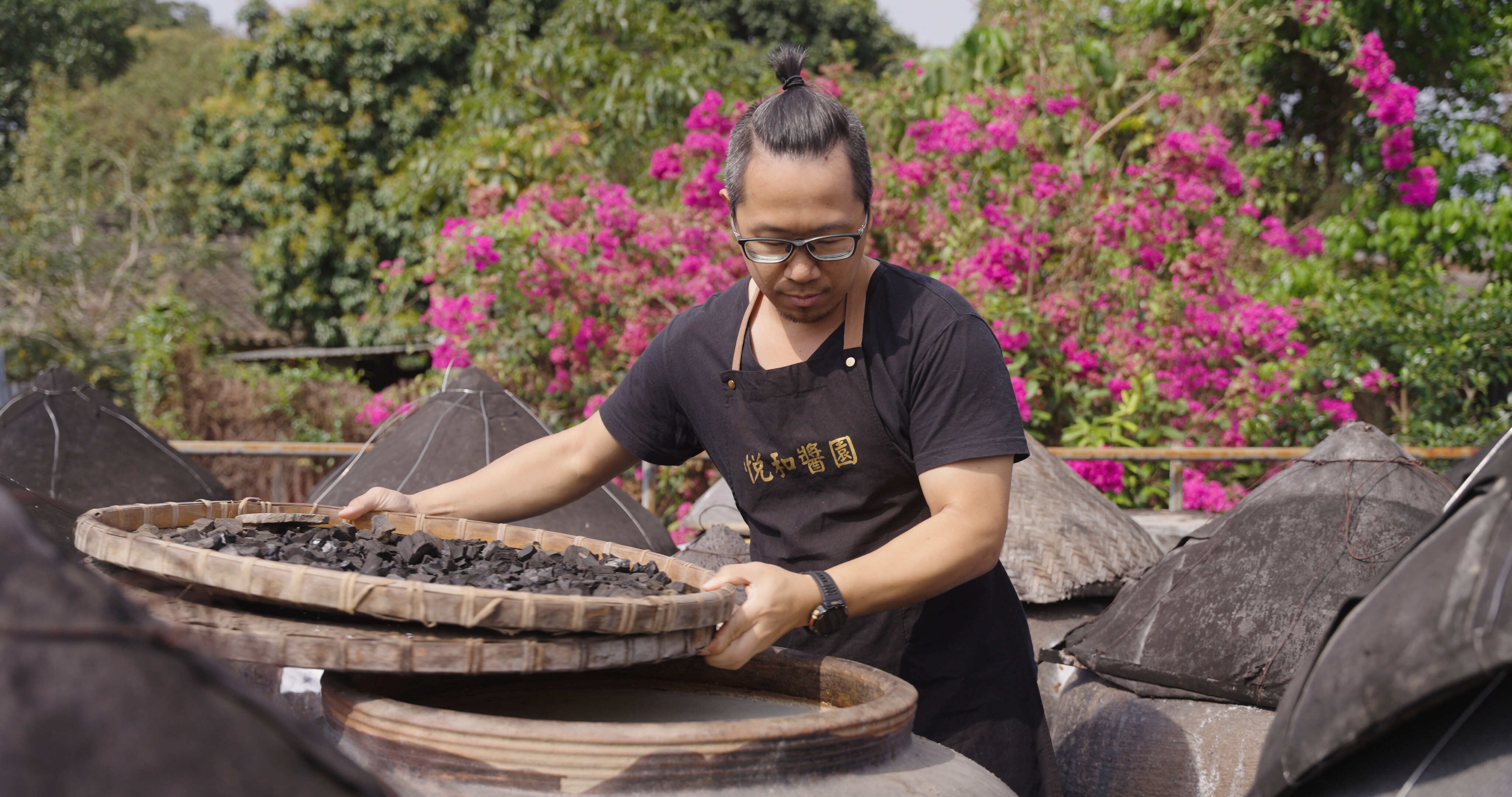
Soy sauce is one of the village’s traditional industries. Jack Pong Chung-hang and his sister are third-generation owners of Yuet Wo, which makes soy sauce in Kwu Tung.
He is one of the nine people featured in Cha Guo.
“People know too little about villages,” said Pong, who is in his mid-thirties. “In the old days, this type of village supplied [everything].”
Monday through Saturday, Pong works for about nine hours a day to oversee the factory.
Mandel explained the long process of making high-quality soy sauce. Beans need to be fermented for six months on a rooftop.
“The soy sauce factory is such an iconic product of Hong Kong, and the fact that they still make it the way they make it is extraordinary,” she said. “It’s all about tradition – about staying close to heritage.”
Concerns for the future
Kwu Tung has seen many changes over the past century. Cha Guo captures a moment right before the village is set to change once again.
The government plans to develop this area in the coming years. The Planning Scheme Area of Kwu Tung North New Development Area will house more than 130,000 people and provide more than 38,000 jobs.
However, there are concerns about how these plans will affect Kwu Tung’s residents and businesses.
For Pong and his factory, this is not their first time dealing with change. Yuet Wo was originally located in Tsuen Wan in the 1930s. But when the area was developed, the factory moved to Kwu Tung in the 1960s. Now, they will have to move again.
“[We need] some help from the government, like for the licensing, for the planning, the land use – all that stuff is the most difficult part,” Pong said.
Pong uses factory tours to teach people about Yuet Wo and the importance of maintaining this heritage. He believes healthy city development should also include traditional businesses like his.
-
Reflect: Have you ever visited a rural area of Hong Kong or another place? How is it different from city areas?
To test your understanding of this story, download our printable worksheet or answer the questions in the quiz below.
