
First, it was machines; then, the internet. Now, artificial intelligence (AI) is catapulting us into a futuristic world that feels like it’s come straight out of science fiction.
We are starting to see technology that only used to be in films, such as flying cars and human-like robots. But surrounding these advancements are also problems with privacy, environmental impact, ethics and safety.
If you want to navigate this evolving AI landscape, here are four key terms and concepts to keep on your radar.
Vibe coding
Writing code line by line is no longer the only way to build software. With vibe coding, people can create an app or program simply by giving instructions to an AI tool, which can generate, refine and even debug the code for users.
Think of it like having a coding team that understands your ideas and turns them into working apps. AI handles the heavy lifting, but you set the direction of the final product.
The term was coined by Slovak-Canadian computer scientist Andrej Karpathy in February to capture this emerging trend of using AI to write code.
Vibe coding allows people with any skill level to quickly create a product, but it is not without issues. This process can be useful for small apps or prototypes, but for larger systems, it can cause problems because its code can be messy, it doesn’t always follow instructions and it can create security issues. For now, human engineers are still needed.

Wetware
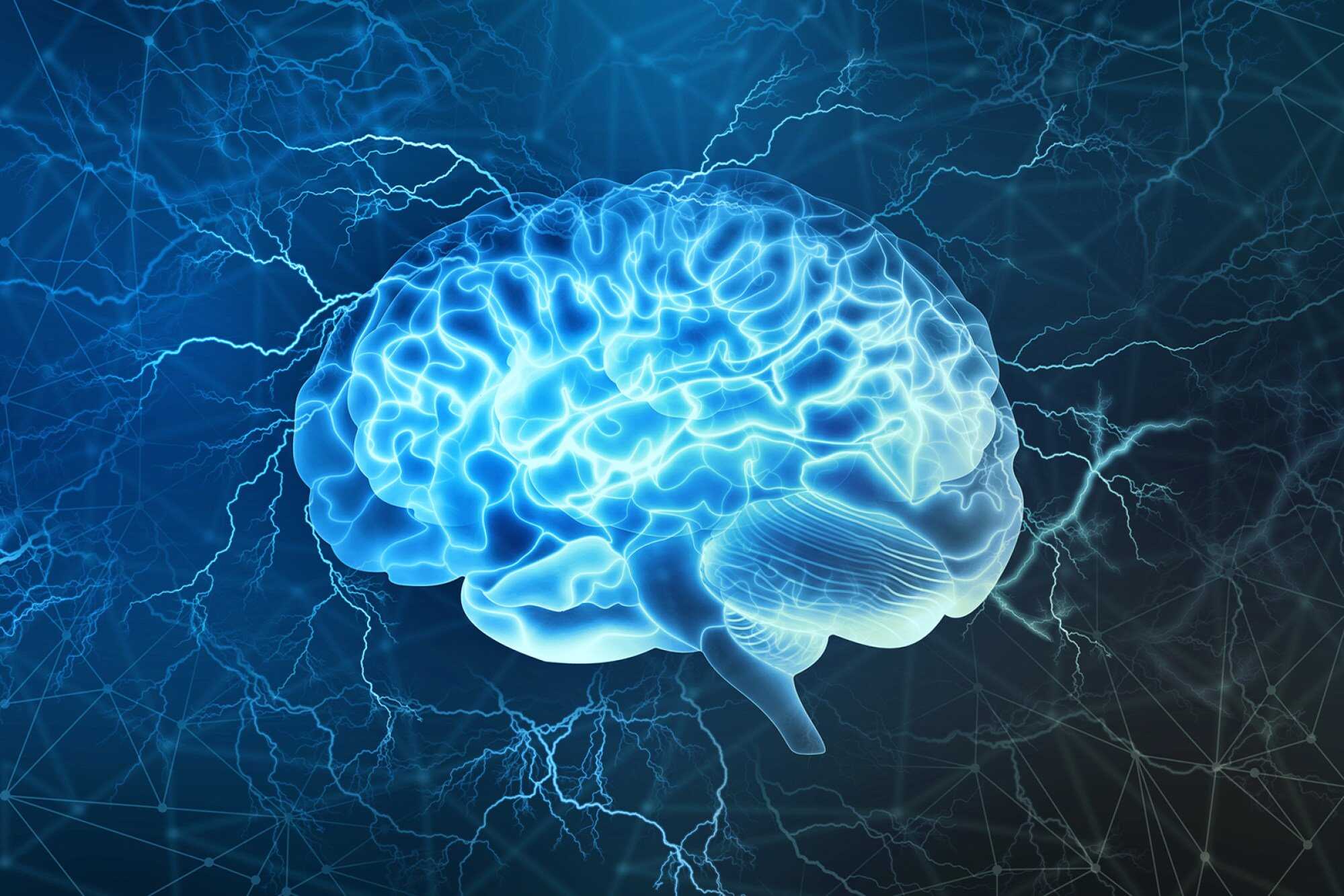
Hardware refers to the physical parts of a machine, and software consists of the programs that run it. Wetware refers to the human brain and nervous system – the “biological hardware” that runs our bodies.
This term is often used to discuss technology that links our bodies to machines.
Inserting chips into human brains – as seen in the award-winning series Severance – is no longer just in fiction. Last year, brain science company Neuralink successfully implanted a chip into a human brain, allowing the person to control digital devices with their thoughts.
Cortical Labs, a company in Australia, has even created a computer that runs on human brain cells.
But what might a company do if it could access your thoughts? Wetware is controversial due to privacy concerns, ethical issues and the fundamental debate around altering the human body.
Full self-driving
Full self-driving (FSD) is a term popularised by Tesla to describe its advanced driver-assistance system. The company has added “Supervised” to the name since it still requires the human driver to be alert at all times.
But unlike basic autopilot features that keep a car from drifting out of its lane or adjust the speed based on traffic, FSD is designed to let drivers take their hands off the wheel while the car navigates city streets and makes complex driving decisions with minimal human input.
Robotaxis are even more advanced. They are trained to navigate roads within certain areas, so passengers do not need to move a finger in most circumstances. The next step would be to create cars that can drive anywhere, even in new places.
The downsides of robotaxis include that they can be costly to maintain, take jobs from human drivers and do not reduce the overall number of cars on the road.

Artificial general intelligence and superintelligence
These are often described as the next frontier in AI. Artificial general intelligence (AGI) is imagined as a system with human-level cognitive abilities across a range of tasks, functioning much like a human brain. Superintelligence takes a step further, describing machine intelligence that exceeds the best human minds in creativity, problem-solving, decision-making and more.
While current AI tools can outperform humans in specific tasks, superintelligence would have general abilities so powerful that it could reshape the world. The next advances in AI are at the centre of intense competition.
Beyond the critiques of existing AI tools – such as their heavy energy use, ethical problems and impact on work and learning – some worry AGI would give governments unprecedented power or make them vulnerable to exponentially dangerous attacks.