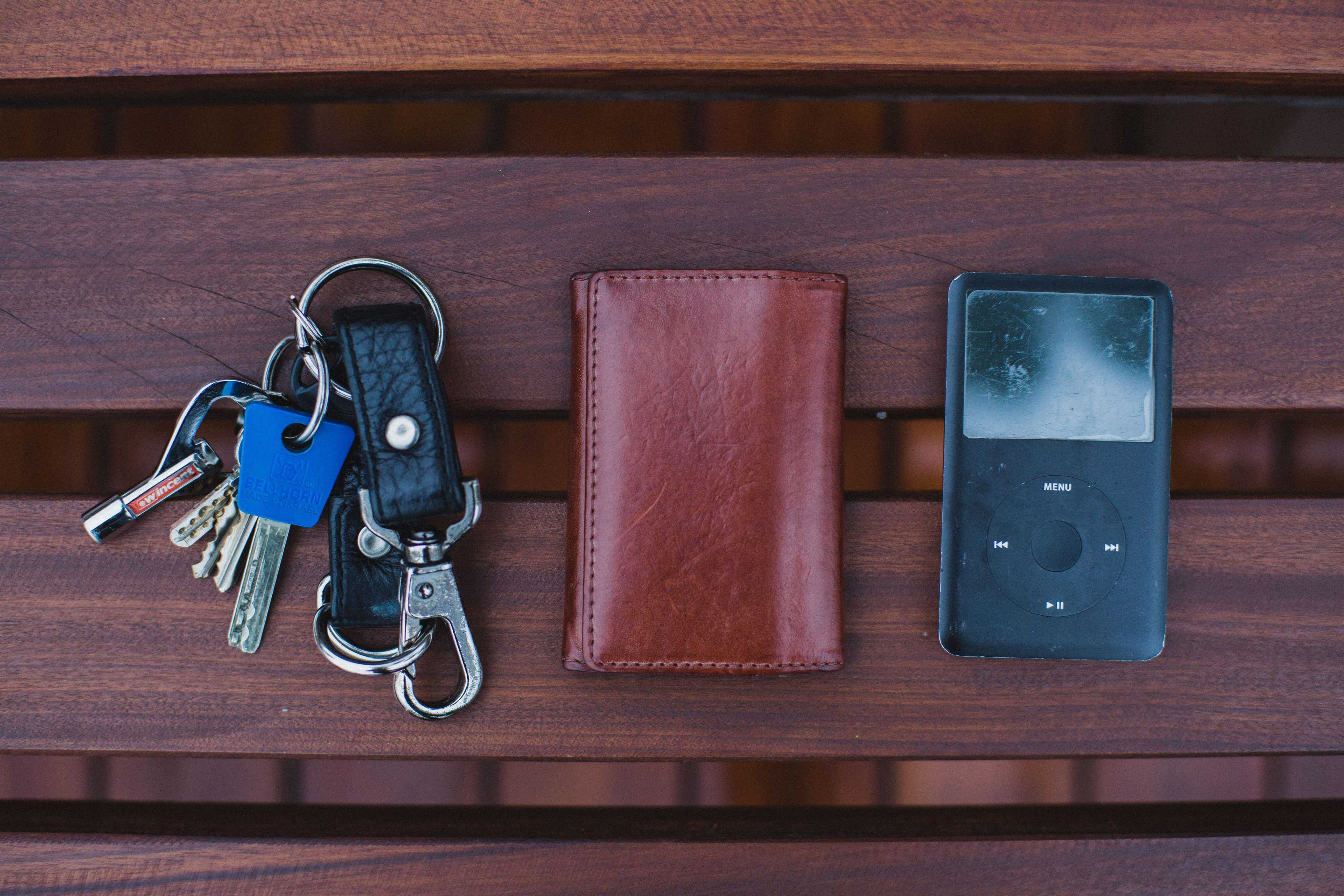
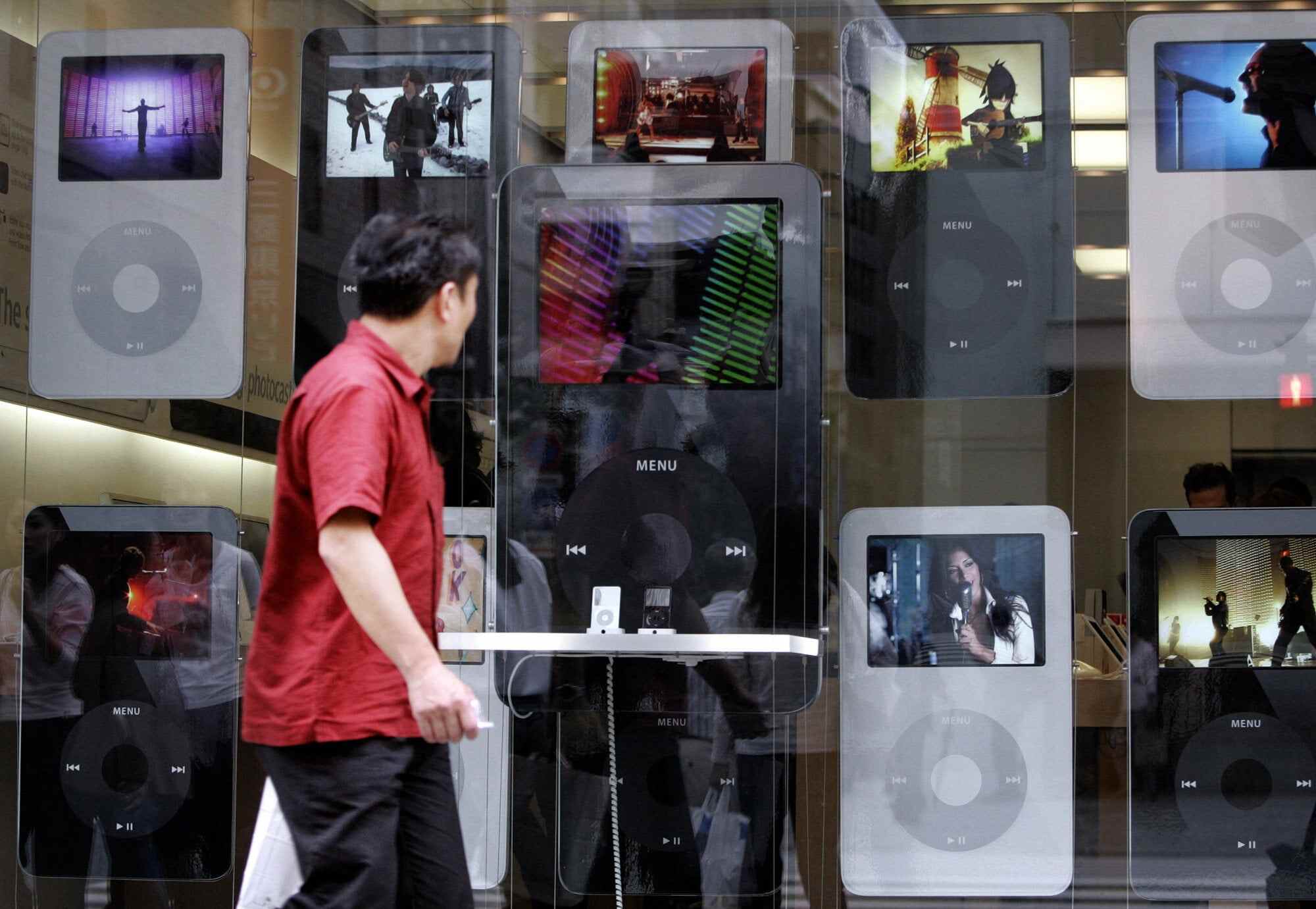
Apple officially discontinued the iPod in 2022, but its handheld music device has quietly made a comeback.
Driven by a desire for vintage aesthetics and distraction-free listening, young people are turning back to the portable player that was once Apple’s biggest product.
Industry experts say this technological shift is largely fuelled by university and school students wanting to disconnect from the constant, overwhelming ping of notifications.
“There’s a growing trend, particularly among younger users, to mitigate the ease [of being] distracted by smartphones,” said Ben Wood, chief analyst at market research company CCS Insight.
“Having a dedicated music device, such as an iPod, is a good way to reduce your dependence on a smartphone,” Wood said, adding that the device helped to “avoid being drawn into other activities, like doomscrolling through social media feeds, when you only really want to listen to music”.
Apple sold roughly 450 million iPods over two decades, so it is no surprise that its second-hand market across platforms like eBay and Facebook Marketplace is thriving. According to Back Market, an electronics reselling platform operating in the United States, Japan and Europe, iPod sales jumped 48 per cent from 2024 to 2025.
“Based on my discussions with people in the market, there has definitely been renewed interest in refurbished iPods,” Wood noted. However, buyers are advised to be cautious, as some third-party sellers have been reported for shipping used devices in counterfeit “new” packaging.
Bringing it back to life
Owning an iPod might require some technical effort. Finding a classic model with the signature scroll wheel, a smaller Nano or screenless Shuffle, is only the first step.
Because older generations use a distinct, wide 30-pin charging cable that Apple no longer manufactures, users must source replacements from aftermarket brands.
Dead batteries and broken earphone jacks are also common, prompting many tech-savvy users to consult websites like iFixit for step-by-step DIY repair guides.
Adding music is another hurdle. Apart from the later generations of the iOS-supported iPod Touch, most vintage iPods cannot connect to Wi-fi or Bluetooth on their own. Users must connect the device to a Mac or PC using a wire and manually transfer digital files or songs ripped from CDs.
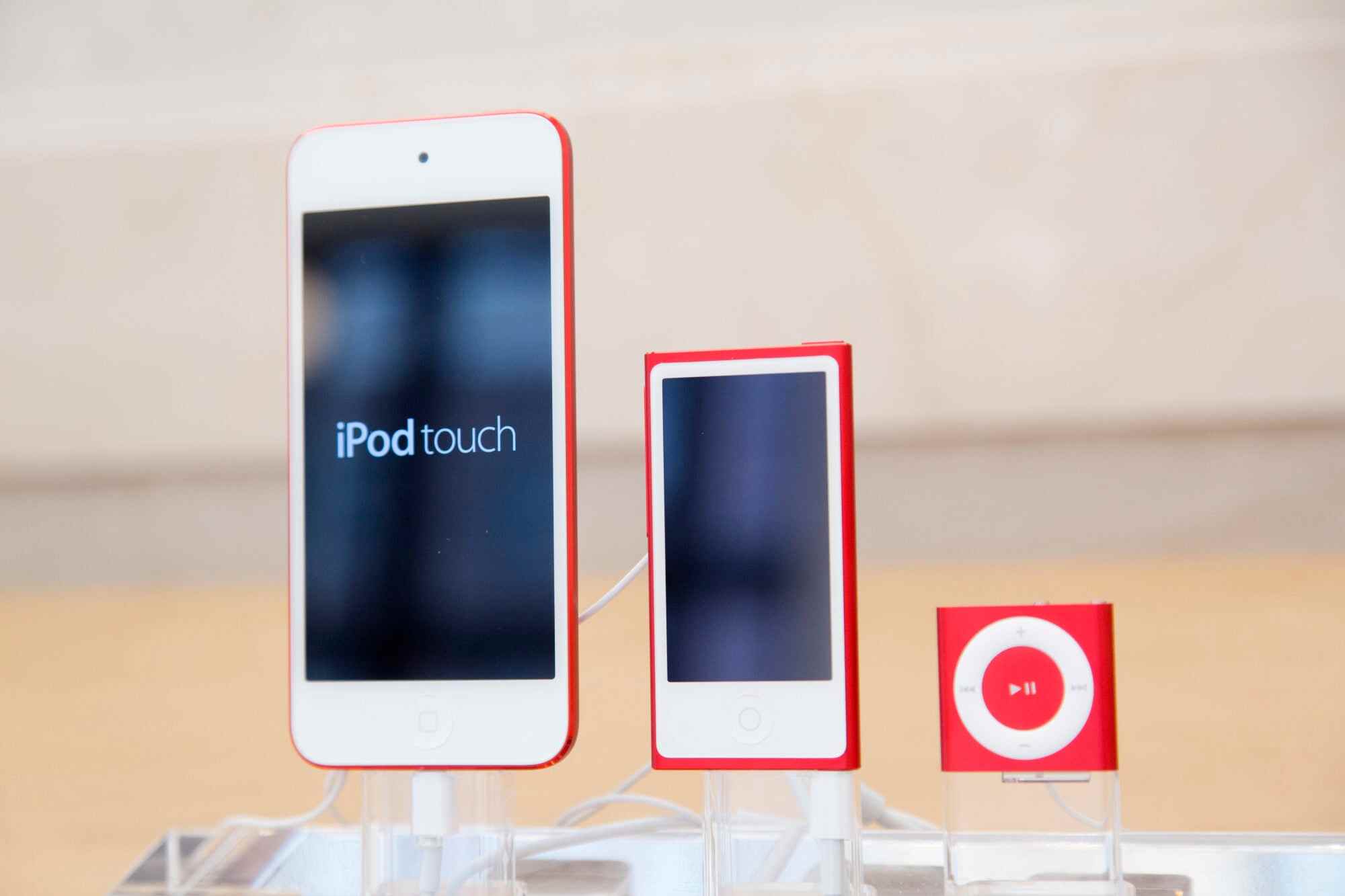
Despite these limitations, a vibrant online community of hobbyists has emerged, who have dedicated themselves to modifying and upgrading the old tech.
“There is definitely a movement of people looking to take iPods and modify them for modern use,” Wood said.
A popular hack involves replacing the iPod’s original firmware with open-source software like RockBox. Wood explained this allows users “to upgrade an iPod to offer greater control and add features that Apple had not included or did not exist at the time,” such as support for high-resolution lossless music files and advanced playlist tracking.