Every week, Talking Points gives you a worksheet to practise your reading comprehension with exercises about the story we’ve written.
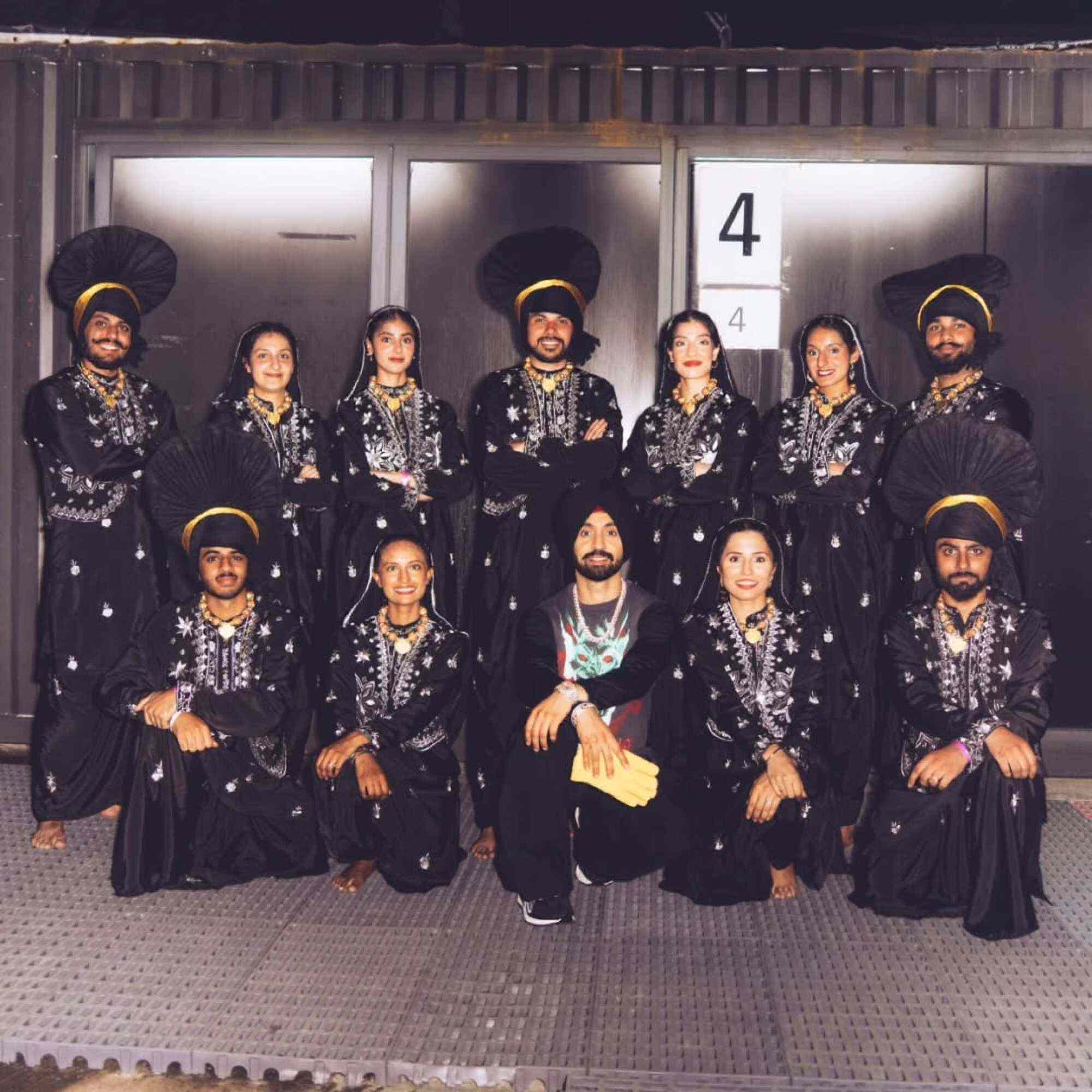
When Diljit Dosanjh – an Indian pop icon with millions of fans around the world – made a stop in Hong Kong in September for his Aura world tour, he invited members of a local dance group to join him on stage in West Kowloon.
For the dancers in the group, called Funjabi, this was a chance to perform alongside an actor and singer they had admired for years.
“It was an incredible feeling, just knowing we would be sharing the stage with an artist of his stature,” said 18-year-old dancer Simran Pancholi.
Pancholi, who is studying English at HKU Space Community College, explained that Funjabi was chosen for the performance after Dosanjh’s choreographer held a workshop in Hong Kong and saw the team’s “potential and passion”.
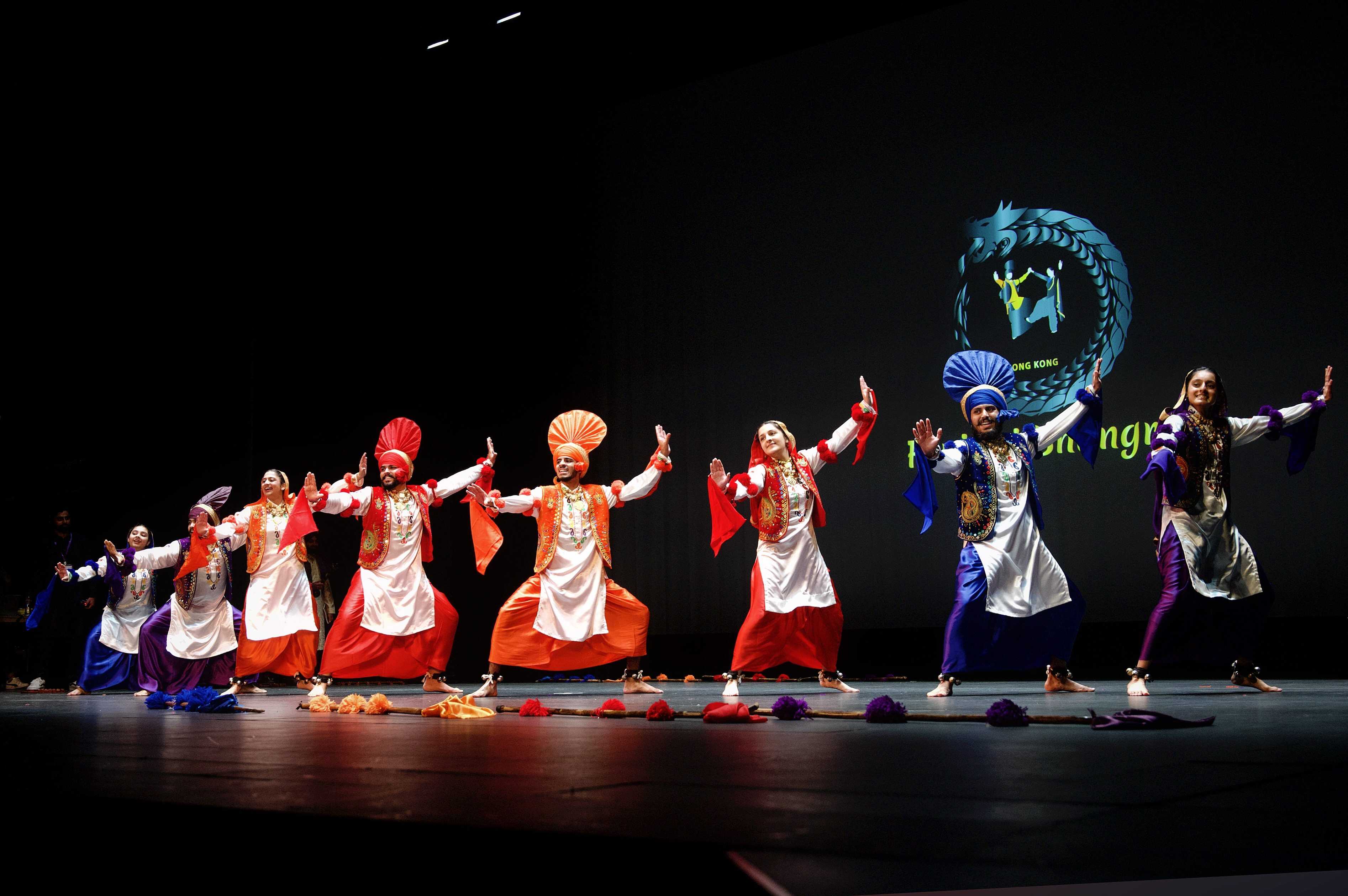
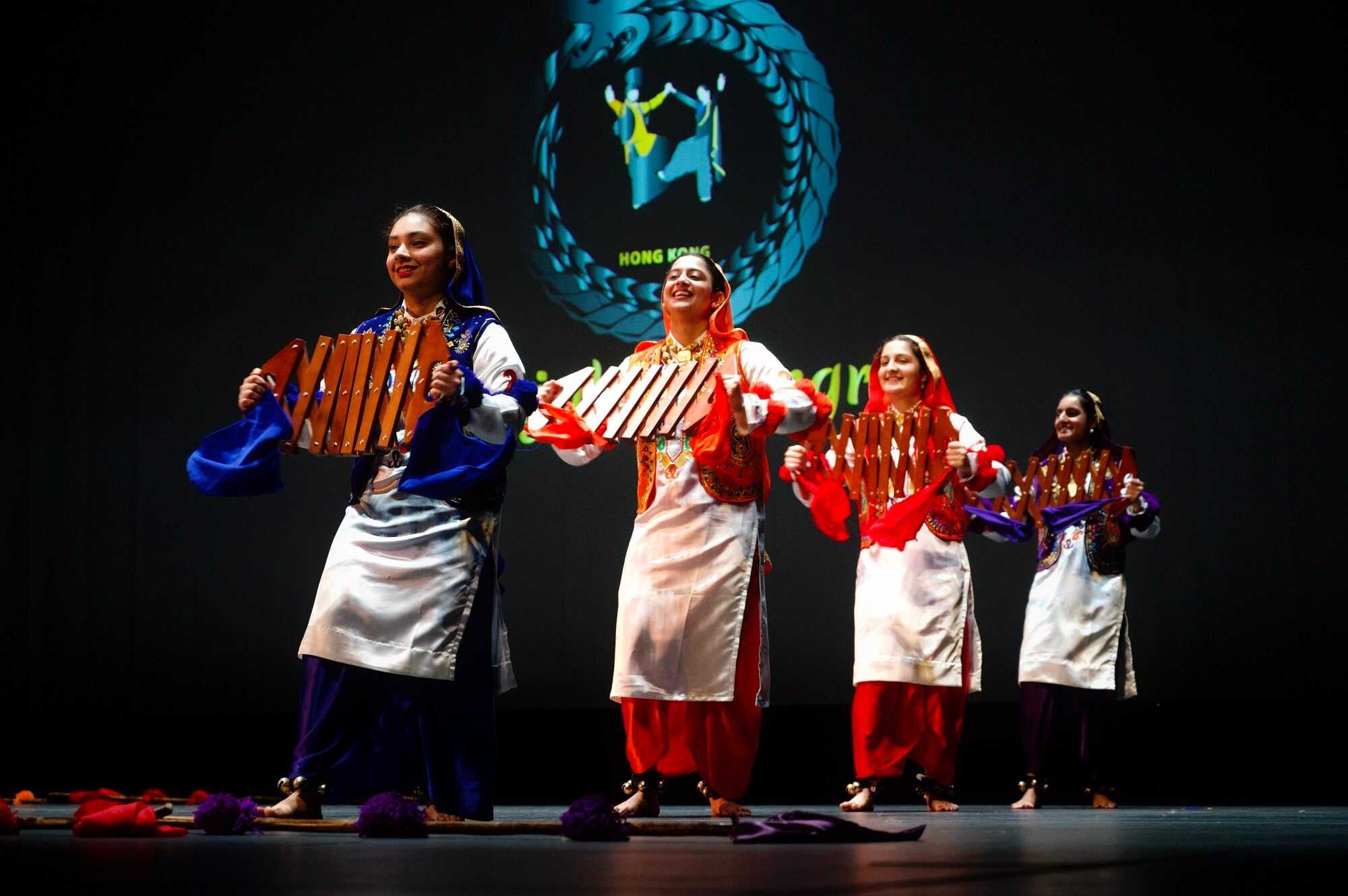
The group specialises in a traditional folk dance called bhangra, which is from the Punjab region of South Asia and is usually performed during celebrations and festivals.
The team had a lot of choreography to learn in a short period, so they fully invested in preparing for the concert. “Once we were actually on stage, the nerves about memorising steps just faded away,” Pancholi said.
Cultural connections
According to Pancholi, bhangra is a “powerful symbol of Punjabi culture and heritage”.
“It’s a way for me to learn more about my culture. It has brought me so much joy and has become a fundamental part of who I am. Funjabi is ... the platform that connected me to this entire journey of learning about bhangra and my roots,” said Pancholi, who has been part of Funjabi for about four years.
The teen said she started learning bhangra when she was three years old. “At that age, it was a fun way to enjoy music and entertain myself when I was bored.”
Eventually, the dance came to mean more to her: “[Bhangra] became my ultimate stress reliever,” she explained. “No matter what stress I had from studies or anything else, syncing with the music and nailing a choreo always gave me this incredible sense of completion and joy.”
Bhavneet Kaur, 21, joined Funjabi this year but has always been interested in learning bhangra because her family is Punjabi.
“Bhangra has helped me maintain a strong connection with my cultural heritage, even while living in Hong Kong,” said Kaur, who is studying science at Baptist University.
More opportunities in Hong Kong
Founded in 2006, Funjabi started as a small group looking to promote Punjabi folk dance in Hong Kong through classes for children and adults. Over time, more talented dancers joined the team.
In 2018, Funjabi represented Hong Kong for the first time at an international bhangra competition.
In August, Hong Kong hosted its first international bhangra competition, inviting three other teams from the United States, Australia and India.
Hong Kong’s location makes it a great spot to hold annual competitions, said Harry Baath, who leads the team. He added that this “makes it easy for participants to come and compete against teams from all over the world”.
In the lead-up to the competition, Kaur was especially excited about the chance to share her culture with other Hongkongers, saying it “represented a unique opportunity to showcase Punjabi cultural heritage on an international stage, while also highlighting the diverse communities that make up our city”.
To their delight, Funjabi placed third among the four participating teams, taking home a trophy.
“We definitely weren’t expecting to win anything, knowing we were against many experienced and competitive dancers. We went into it with the mindset of just gaining a great experience and learning from our mistakes,” Pancholi said.
“For me, the significance was in the journey – I loved practising with my team members. It was a chance to meet other people who share this same passion for bhangra.”
While Funjabi’s big events are done for the year, both Kaur and Pancholi want to see the group grow in Hong Kong, and they look forward to more international competitions ahead.
“[I hope] we as a local community come together to support this development and really build a strong, recognisable image for bhangra in Hong Kong,” Pancholi said.