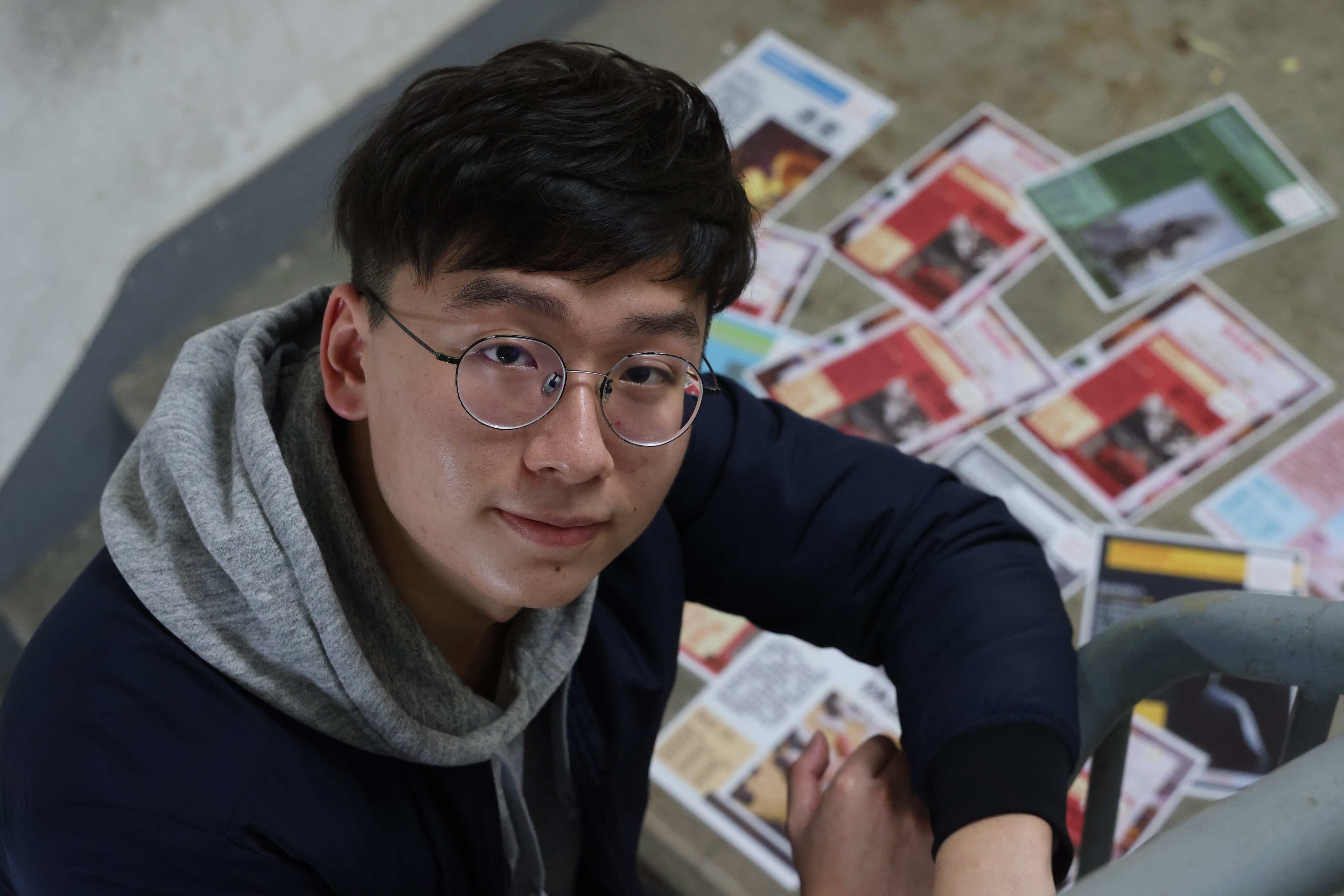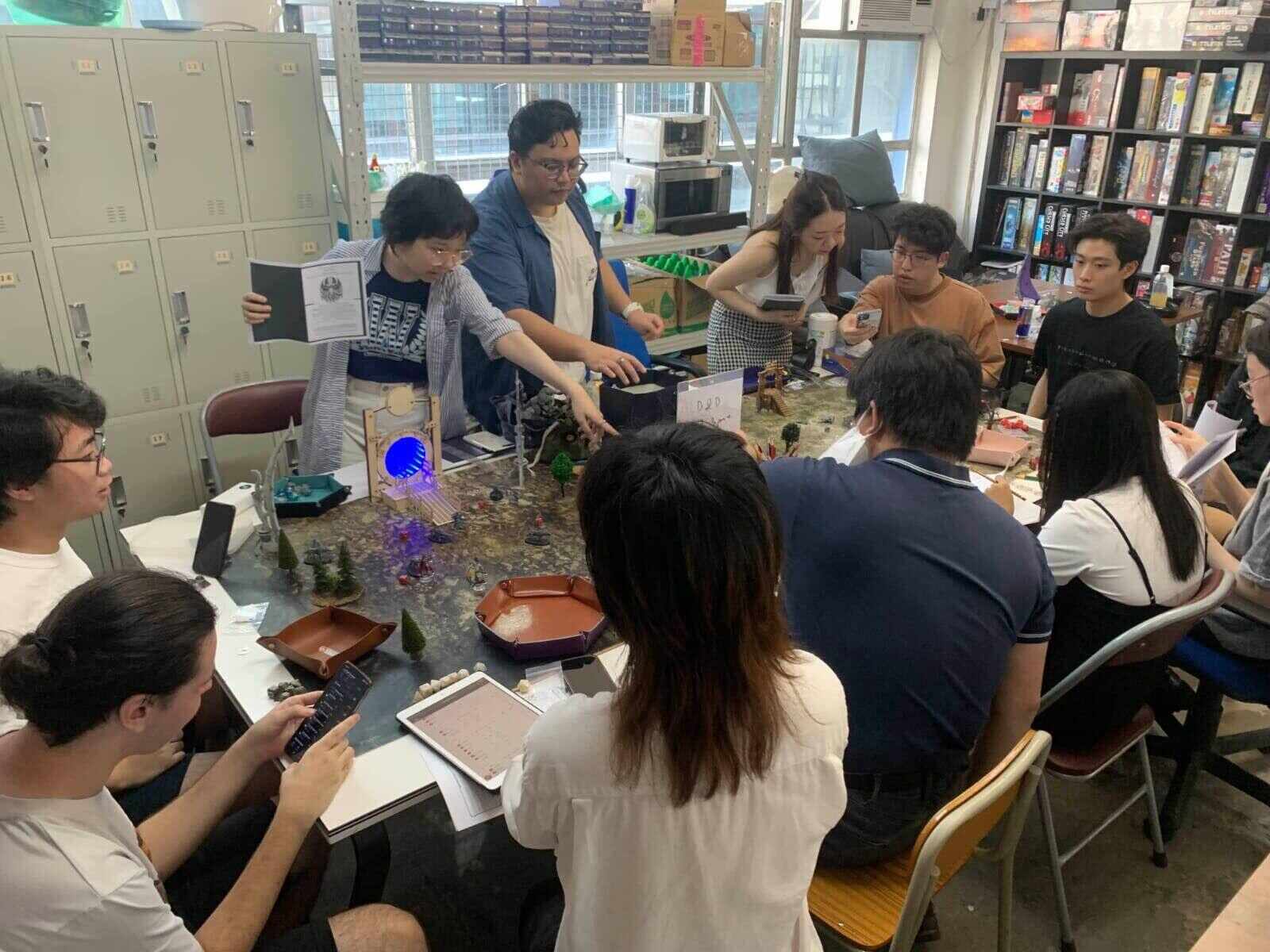
In an unassuming factory building in Hong Kong, groups of like-minded players gather regularly at a hobby store called DMZ to role-play as fantastical characters on epic missions.
This game, Dungeons & Dragons, is also known as D&D and has been popularised in Netflix’s hit show Stranger Things.
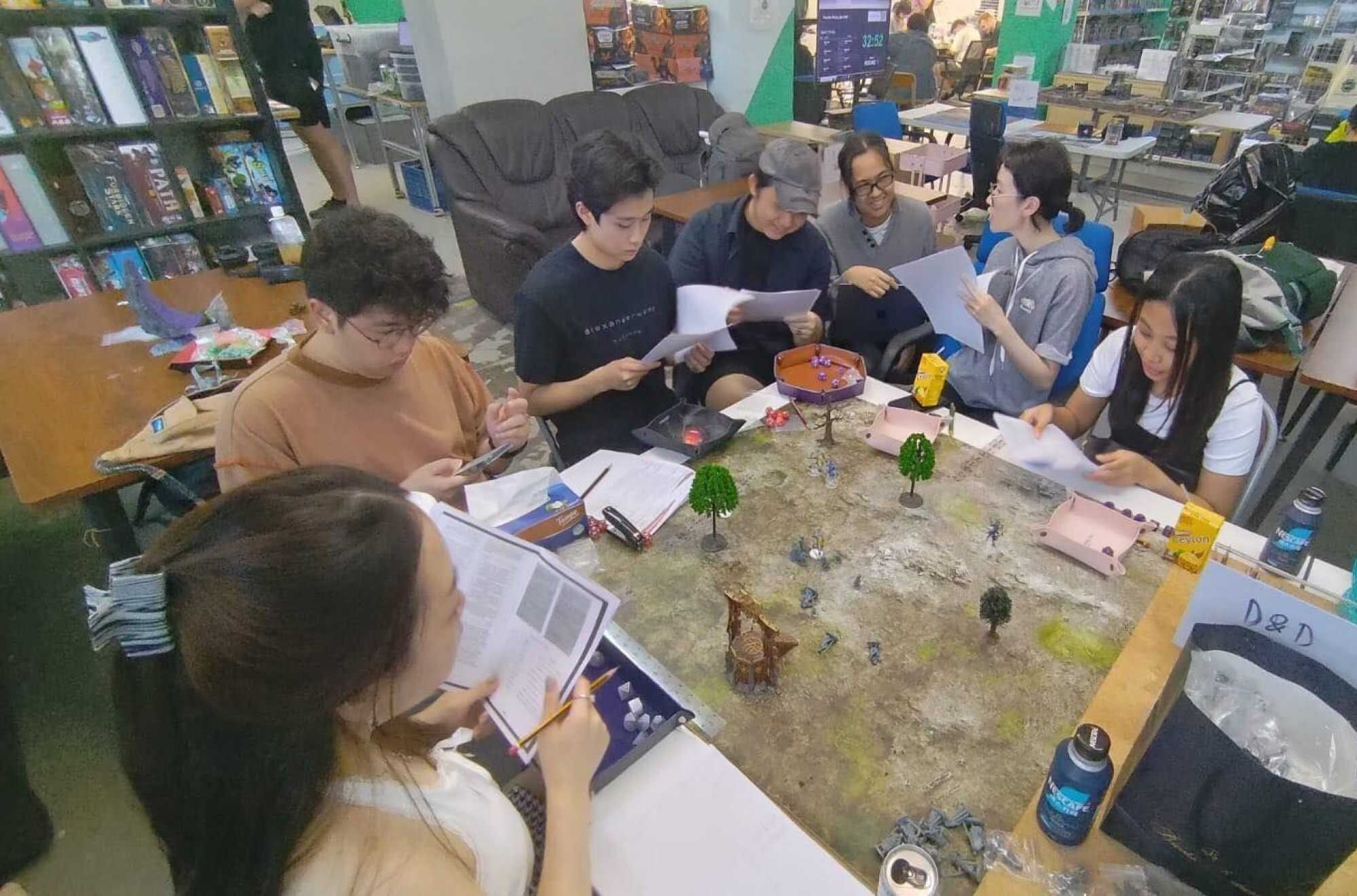
There are no screens, headsets or expensive devices. Instead, players roll polyhedral dice on a tabletop, move miniatures on a paper battle map and speak in majestic voices. Players often design their own characters as they go on quests in a fantasy world.
Sessions typically last three to four hours, and these are part of larger campaigns that can take six months or years to complete. Despite the long duration of games, players keep coming back.
“D&D is a big commitment,” noted the leader of the DMZ game sessions, Gus Melzar Casela Geopano.
“Sitting there for a campaign, going there every week ... It’s pretty hard. And luckily, players ... they’re willing to do it just because they love the people around them.”
Social benefits of D&D
For many players of tabletop role-playing games, they join for the camaraderie and the chance to use their imaginations in exciting adventures in another world. But the game also holds many other socioemotional benefits.
Geopano commented on the differences between socialising during role-playing games online and in person.
“Social interaction [online] is much more difficult. You can still socialise, but there isn’t that genuine feeling of talking to someone,” explained Geopano, who is in his thirties.
“[In Dungeons & Dragons] you can see people’s shocked faces, how distressed or how tired they are ... the dynamic between players.”
According to a 2024 review of research on tabletop role-playing games published in the journal Psychology Research and Behaviour Management, these activities lower stress and enhance cognitive and social skills. They also have a positive effect on psychological issues such as anxiety and depression.
Geopano has worked at Baptist Oi Kwan Social Services as a programme worker for 11 years and regularly holds Dungeons & Dragons game sessions at the social services centre.
He said tabletop role-playing games encouraged players to think outside the box – for example, when characters are trapped and need the perfect spell to get out of a tricky situation.
The social worker has also observed shy players blossom into social butterflies through these games. He believes this is a great way for introverted students to socialise.
“You have to come out of your shell. You force yourself to talk to these people, and not only that, you’re more open with yourself,” he explained.
Building community
Geopano founded DNDHK as a group on the chatting platform, Discord, in 2020 to bring together Dungeons & Dragons players in the city. Since then, it has grown to roughly 200 members. He has been leading the community with Aaron Lanorias, who is in his twenties.
Lanorias believes that this game will continue to grow in popularity: “D&D itself is peeking into mainstream media,” he said.
DMZ store owner and Dungeons & Dragons player Karl William Uy Ho said the game offered a space for young people to be themselves, try new things and meet people from all walks of life.
“You’re meeting people of backgrounds that are possibly completely alien to you,” he said.
Geopano has led games for secondary school students as well as people in their seventies, all of whom see their gaming venues as a second home. He also highlighted the value of learning from different people through Dungeons & Dragons.
“I’ve met people who work in Goldman Sachs through D&D. I’ve met lawyers. I’ve met bankers [and] security guards,” he said. “How often do you talk to ... someone of a different economic status as you, or someone of a different national background?”
Geopano revealed why he enjoys being a game master, who leads Dungeons & Dragons sessions.
“You want to have your players ... experience the story that you wrote,” he said. “Hearing them talk about it after the session, or maybe even hearing them sharing the session to other people, is really satisfying.”