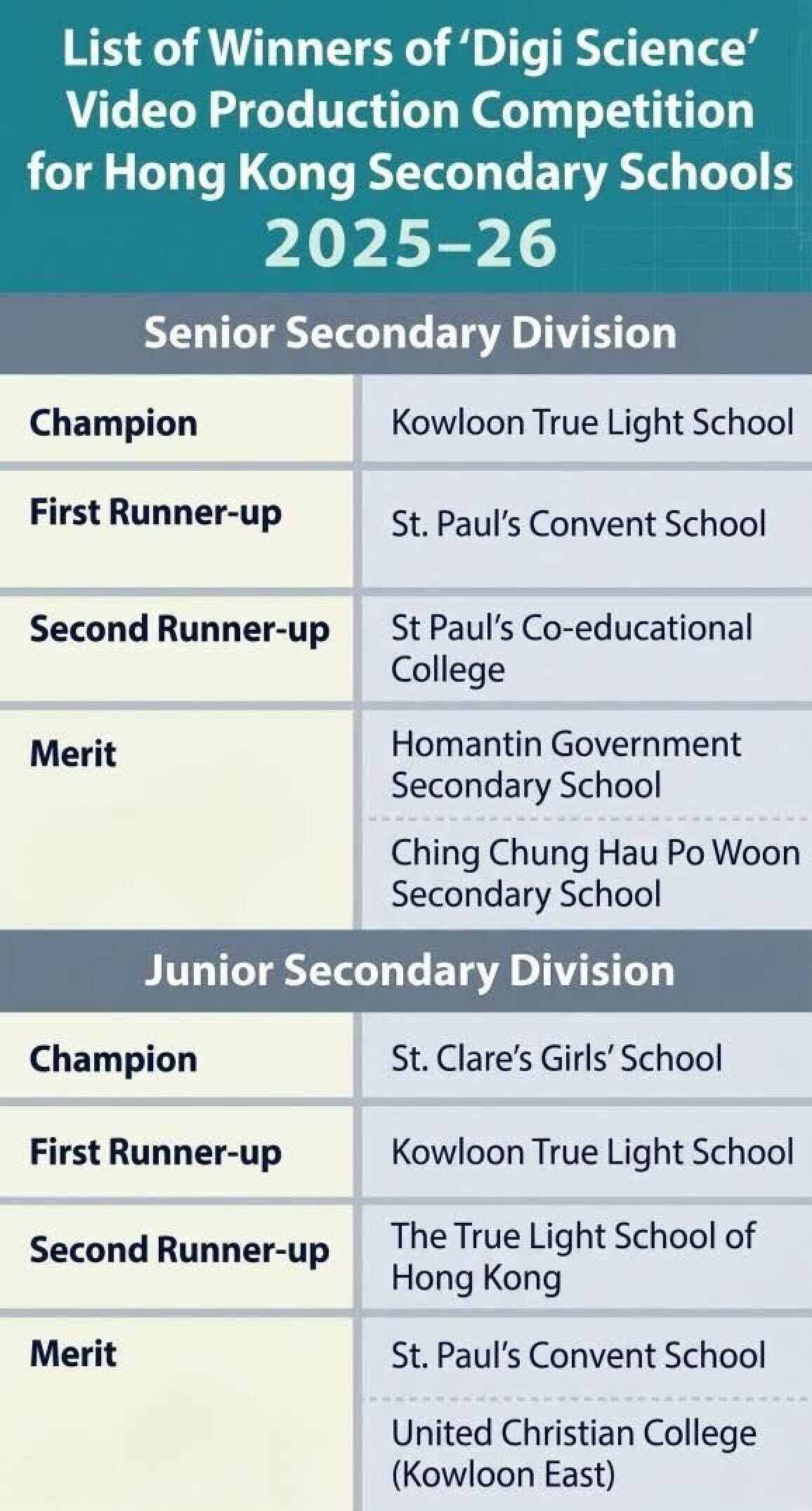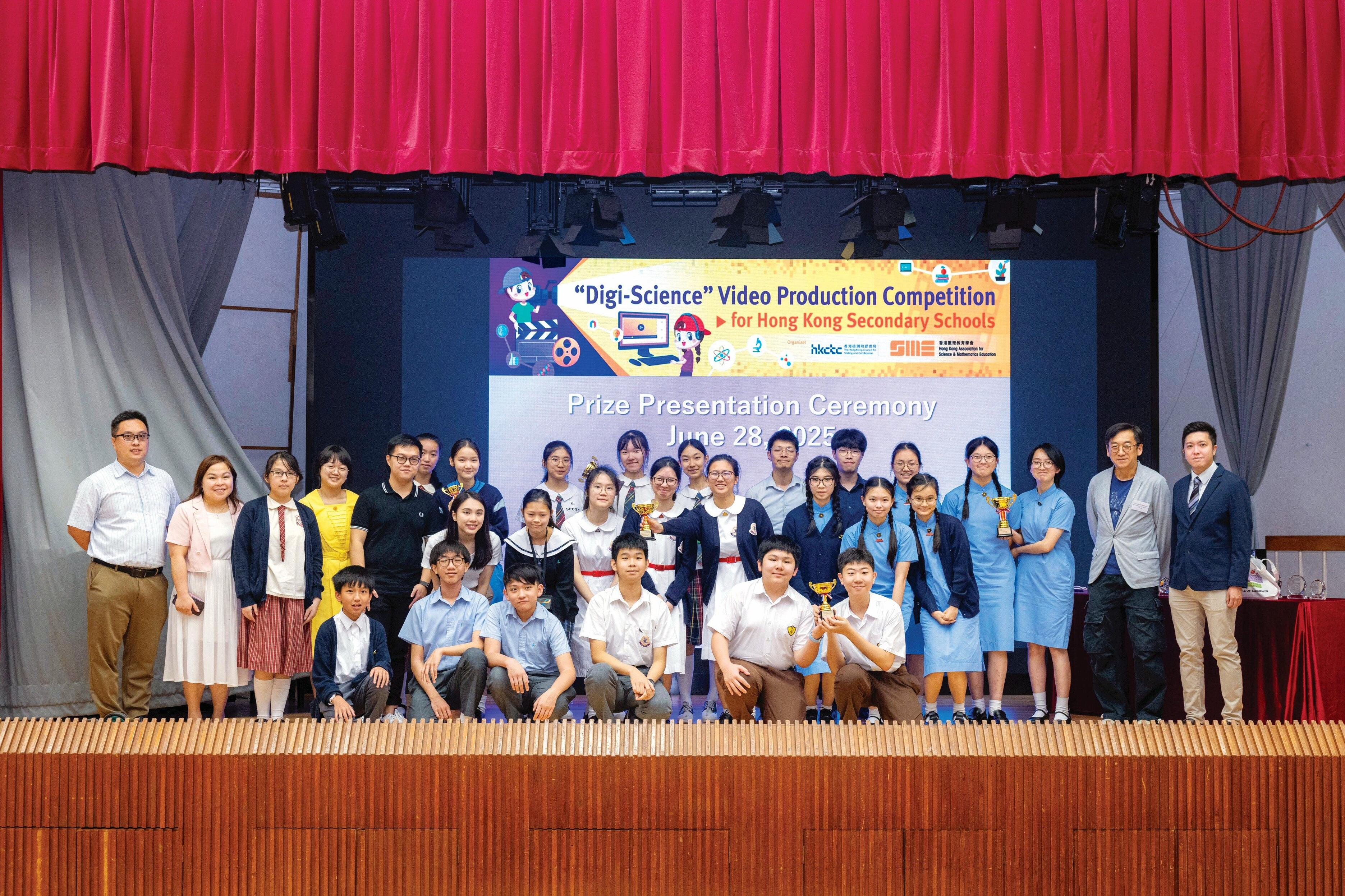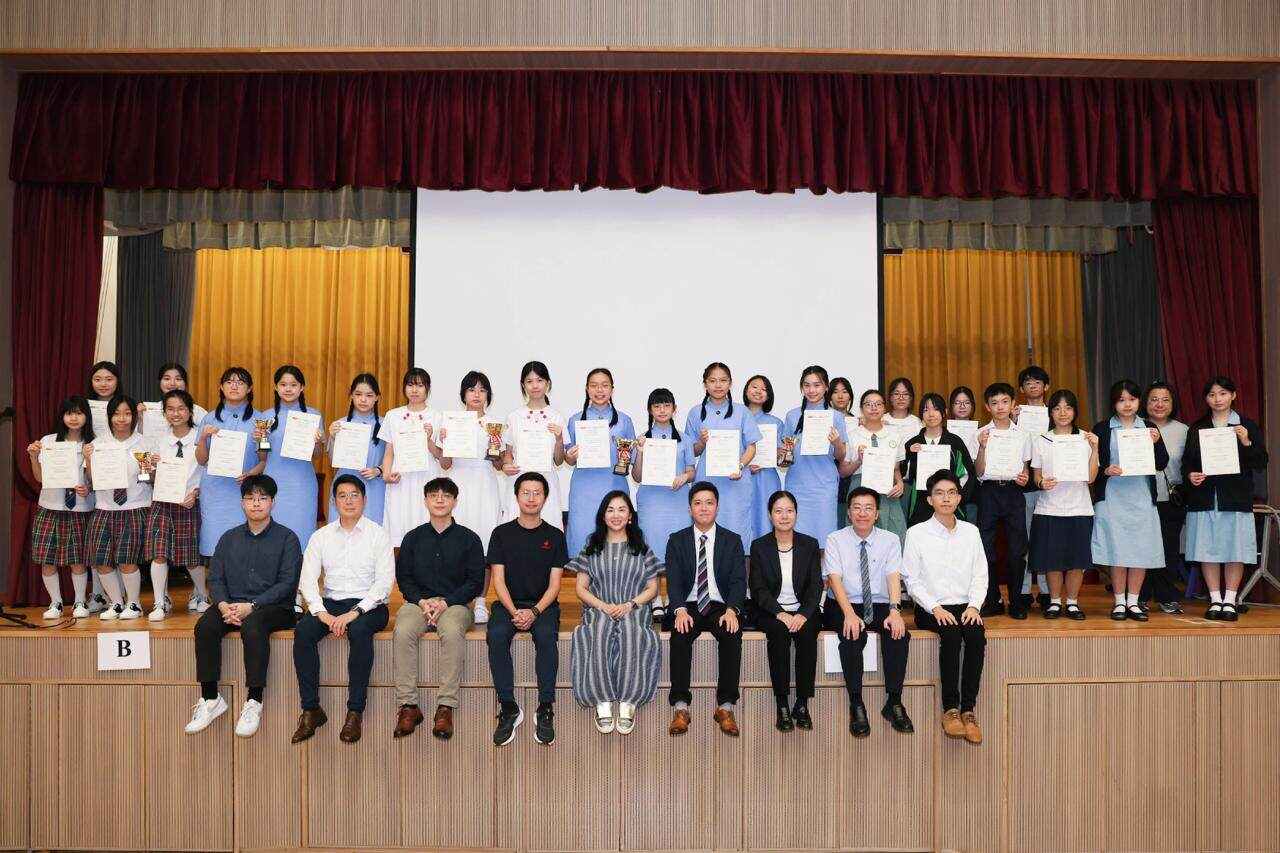
Scientific accuracy plays a vital role in keeping our food safe. To help students grasp the real-world applications of testing and certification, the Hong Kong Council for Testing and Certification (HKCTC) and the Hong Kong Association for Science and Mathematics Education have jointly organised the annual “Digi-Science” Video Production Competition since 2016.
Student innovators take centre stage
Under this year’s theme, “Testing Science: Food Additives”, participating teams explored the chemistry of everyday meals by designing experiments with common ingredients. Students dedicated months to practical laboratory research, formulating original hypotheses and summarising their findings in two-minute video submissions. Through these projects, participants witnessed how testing and certification confirm scientific facts, maintain food quality, and safeguard public health.
The judging panel, composed of HKCTC members Denise Hou, Dr Gray Ho, Dr Lesley Lam and Dr Zhao Wei, praised the consistently high quality of submissions. “The majority of students demonstrated strong communication skills and a solid command of testing principles, reflecting well on the HKCTC’s educational outreach,” noted the panel.
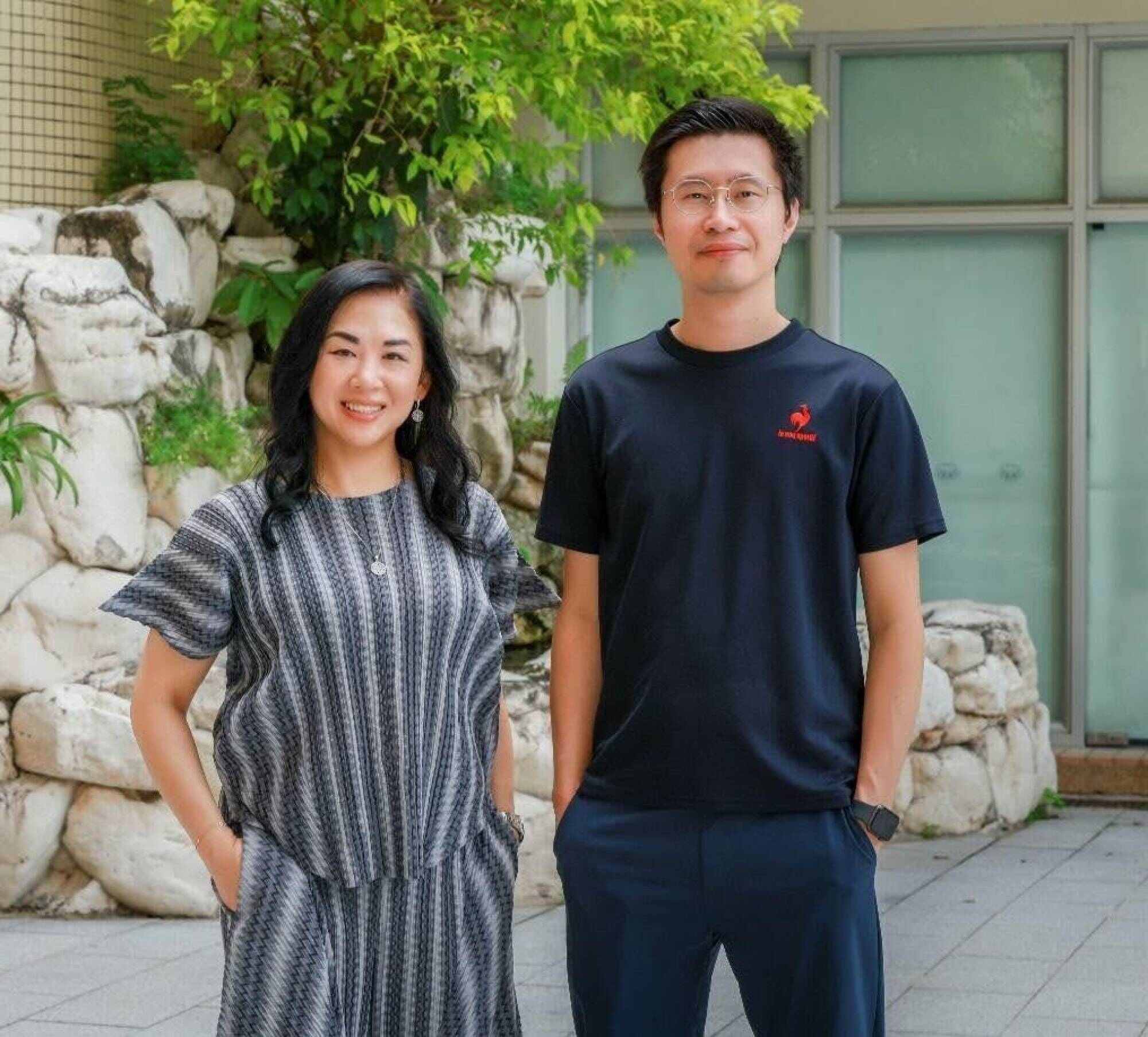
Hou highlighted the students’ ability to distil complex theories into clear presentations. She pointed to the notable submission “The Fizzy Trap,” in which students broke down complex biochemical reactions into easily understandable concepts. By using soft drinks as illustrative examples, they conducted experiments to explore chemical additives, making intricate chemical processes accessible to the general public.
Beyond the competition: building a safer and smarter future
By blending rigorous scientific inquiry with creative video making, this competition empowers young innovators to move beyond rote learning. Throughout the process, students hone critical analytical skills, scientific perseverance, and dynamic communication capabilities that prepare them for future academic and professional pursuits. The rigorous thinking and spirit of truth-seeking nurtured through this experience will foster a new generation of young talent.
HKCTC has long been a driving force in promoting testing and certification literacy across society. Beyond organising this annual competition, HKCTC actively develops teaching kits, hosts hands-on workshops and arranges laboratory visits that offer students an insider’s look into professional testing environments.
After all, testing and certification are an invisible safeguard for public health, an engine for innovation and a guarantee of consumer trust. By nurturing our next generation, HKCTC ensures that science continues to serve as an empowering tool for smart, informed everyday choices and a safer society for all.
Senior Secondary Division Championship: Kowloon True Light School
Team members: Alice Chan Lok-yan, Angela Lee Ka-wan and Naomi Sze Hoi-nam
Title of video: Effects of Acid Regulators in Soft Drinks on Type II Diabetes
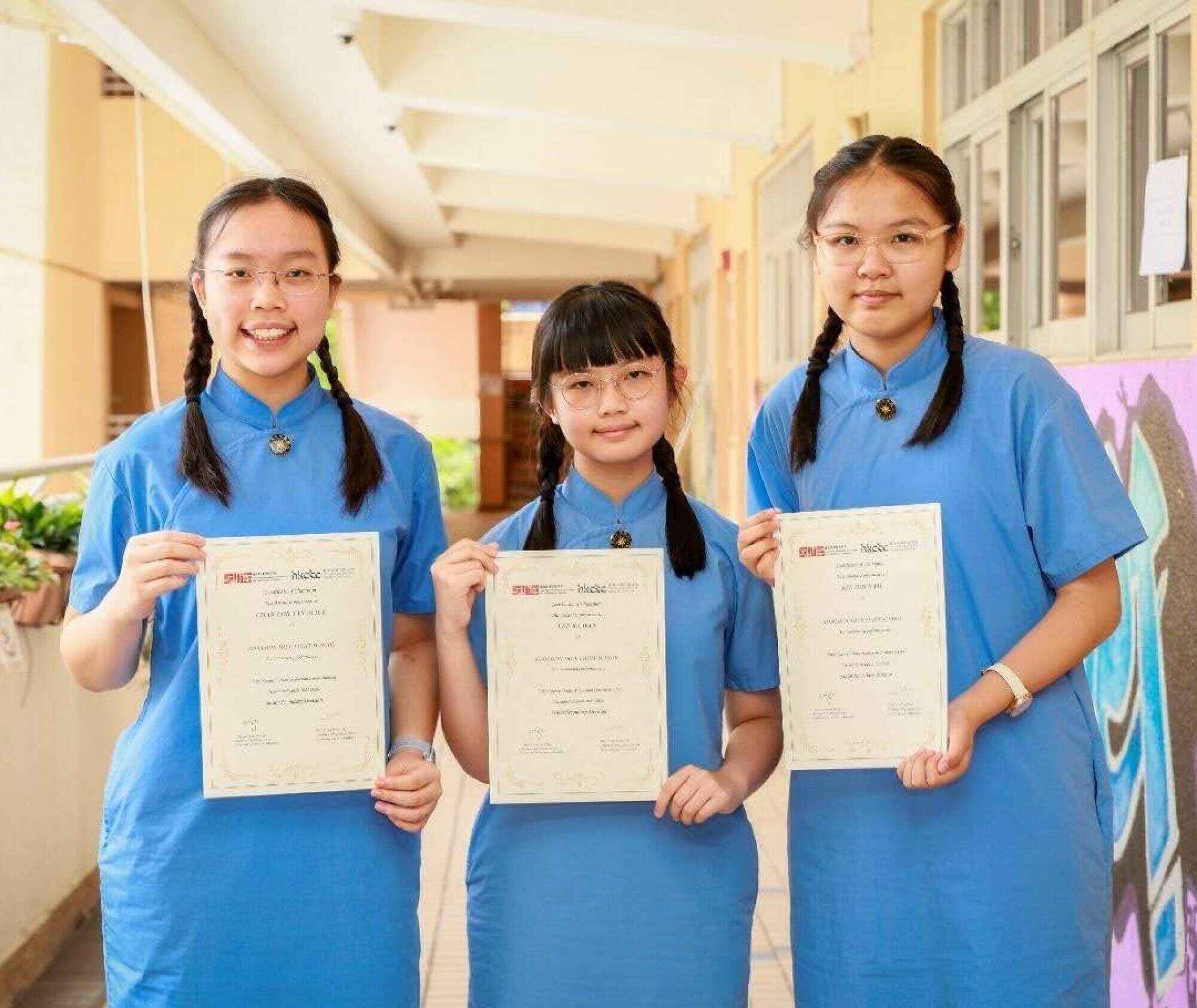
What began as a casual lunchtime chat led the team to challenge the assumption that sugar-free drinks are entirely safe for individuals with diabetes. Their research revealed that certain acid regulators containing phosphoric acid can rapidly hydrolyse sucrose into fructose and glucose, potentially impacting blood sugar levels of persons with Type II diabetes. Driven by this discovery, the students used their video to raise public awareness about hidden dietary health risks.
Advanced concepts like acid hydrolysis and diabetes management are typically reserved for higher-level studies. “We had to conduct extensive literature reviews, analysing numerous scientific reports and academic papers,” the team explained. The project took four months of dedicated effort, with the team staying after school every day to run experiments in the chemistry laboratories and complete their final report.
Beyond translating complex science for a general audience, the project aimed to promote more mindful consumption. The team said, “Our findings serve as an essential reminder for people to read nutrition labels carefully before eating or drinking, shedding light on the misconception that ‘zero sugar’ or ‘sugar-free’ claims guarantee a total absence of sugar derivatives.”
Junior Secondary Division Championship: St Clare’s Girls’ School
Team members: Dora Leung Kwan-lam, Hailey Tong Hei-yee and Hebe Cheung Yin-yin
Title of video: Colouring Action
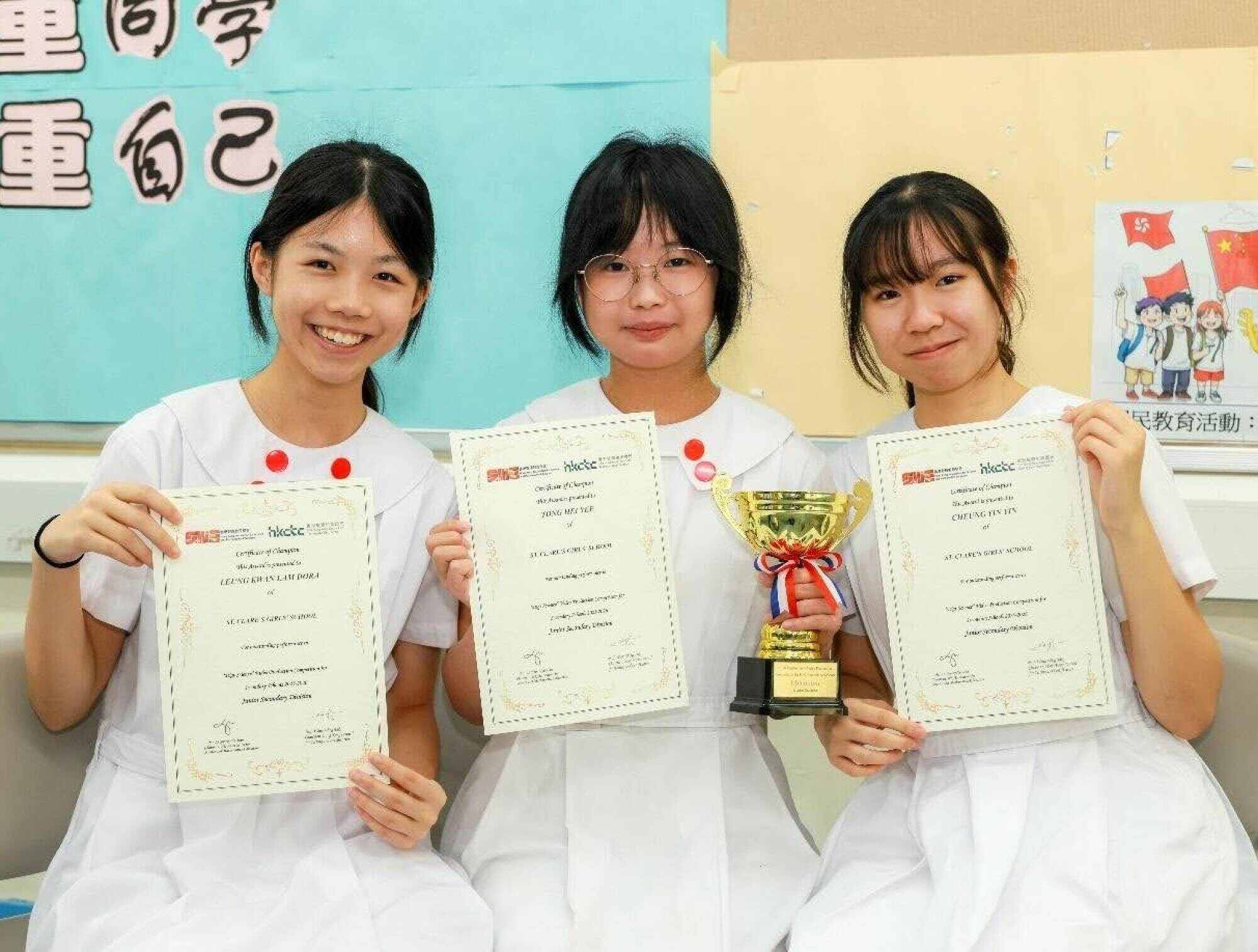
Concerned by the link between excessive artificial food colouring and childhood hyperactivity, the team investigated the impact of Tartrazine (a commonly used yellow food colouring) using yeast as a model for human cells.
Translating this concept into reliable data required navigating significant experimental hurdles. “Determining the precise quantity of yeast required for each test posed a major challenge,” the team explained. “Defining the exact micro-measurement demanded extensive calibration.” Starting with simple household bowls to observe fermentation before moving to school laboratories, repeated trial and error taught them that excessive heat denatures yeast. It also sharpened their problem-solving skills and perseverance along the way.
“On top of the laboratory work, the true test lay in the creative execution, specifically scripting and structuring a compelling video that breaks down sophisticated chemistry topics into clear and accessible concepts for the general public,” the team said. Balancing the explanation of scientific theories with an engaging, visually appealing video presentation proved to be the most rewarding part of their journey.