.jpeg?image_process=image/resize,w_3840/quality,Q_75)
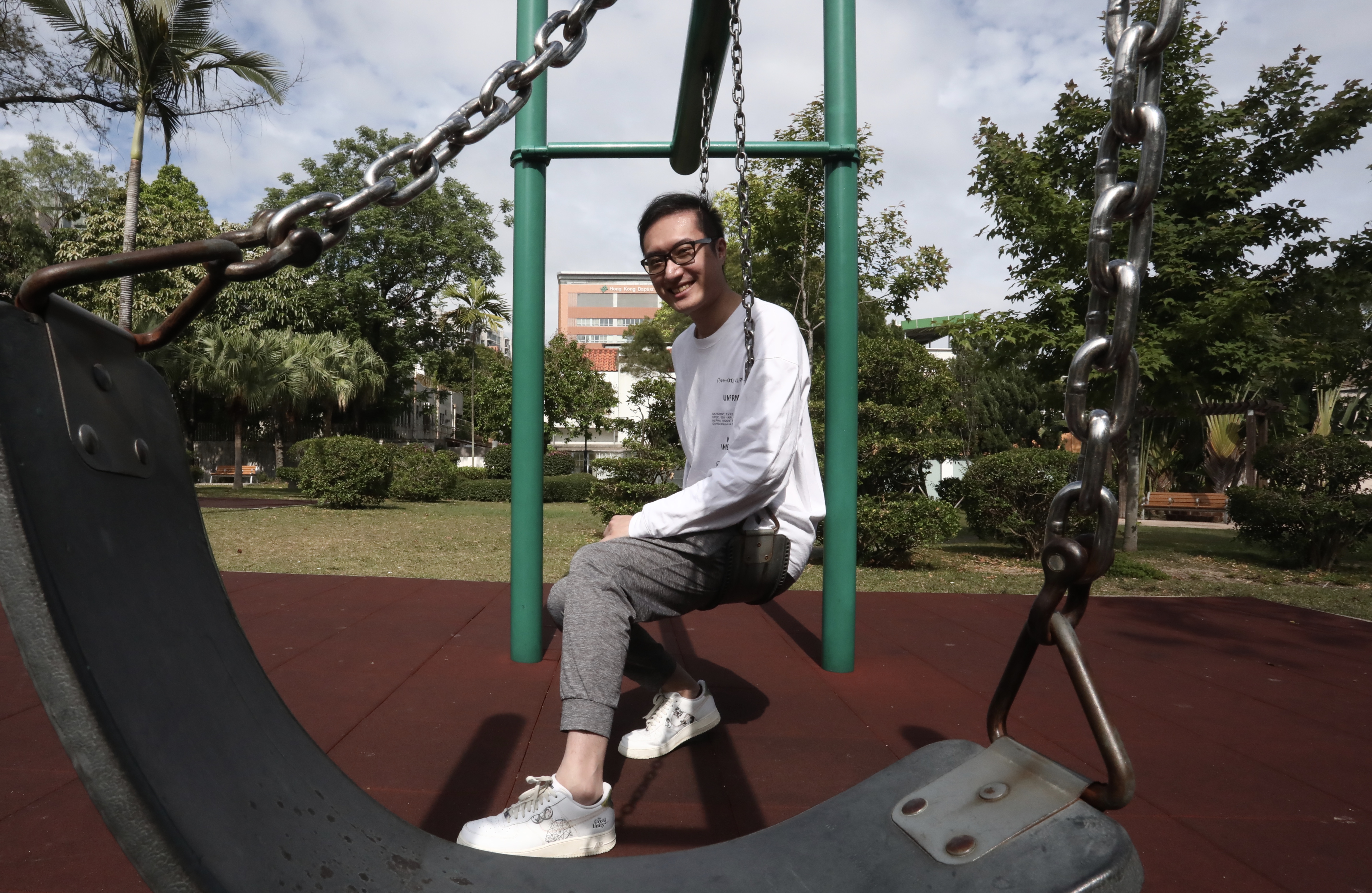
Swooshing down slides, climbing over walls and swaying on swings in playgrounds were how Evelyn Kwan, Alicia Tang and Daniel Yang spent much of their childhood.
But when the three teens recently visited their old playgrounds, they noticed something different. "All these playgrounds in Hong Kong are exactly the same, with the same slides, the same climbing walls!" Daniel says.
They saw how the city's play areas are often covered with signs that say "no skateboarding", "no running" and "no climbing".
"All this made us think back to when we were kids. We remember just running around and not having as many rules," Evelyn says.
Intrigued, the three students began a quest into the city's play spaces. They interviewed experts and conducted an experiment with children. Then they presented it all in a 40-minute documentary, The Play Project.
Alicia remembers playing on tall climbing frames as a child because they looked "risky". Even when she came home with bruises or tangled hair, she felt free. That should be the spirit of play, she says. "There were really no rules or restrictions. I could just be myself."
The teens spoke to Dr Chung Yiu-bun. He is a psychology professor who has taught primary school students. He finds the city's playgrounds boring. "They do not develop students' creativity," he says.
After speaking to experts, the teens wondered: "If playgrounds are meant for children, why are adults designing them?"
The trio decided on an experiment. They recruited 10 children. The kids were asked to brainstorm their ideal playground. They spent time on the floor doodling, scribbling and imagining on a giant sheet of paper.
Last July, the 10 kids built a playground with materials like wooden boards, nets and paints. The result was a dream play space – a blue skateboard ramp, a pirate ship made of planks, ropes connecting climbing blocks, and a squeaky "chicken chair" – all made by the children.
Five things to know about
- Playgrounds are a great place to run around, but they can also build your physical strength. When you climb up the slide, for example, it develops strength in your arms and legs.
- In the same way, hanging from monkey bars can strengthen your hands and fingers, which can improve your handwriting skills!
- Outdoor play is good for your health. Physical activity improves circulation to the blood vessels in the brain. This brings water, oxygen and glucose to your brain more quickly.
- Australia's Pod Playground is all about climbing: it has six huge wooden acorns that you can climb inside.
- Whale Playground in Denmark teaches you about the oceans and lets you climb a whale.