Lunar New Year is one of our biggest celebrations. This year's holiday begins on January 22 and is the start of the year of the rabbit. But it began on February 1 last year and February 12 in 2021. Why does the festival fall on a different date every year?
The reason for the changing date is that Lunar New Year's timing is based on the lunar year used for the Chinese calendar, which is sometimes called the Chinese Agricultural Calendar. This is different from the calendar most of us use today, called the Gregorian calendar, based on the solar year.
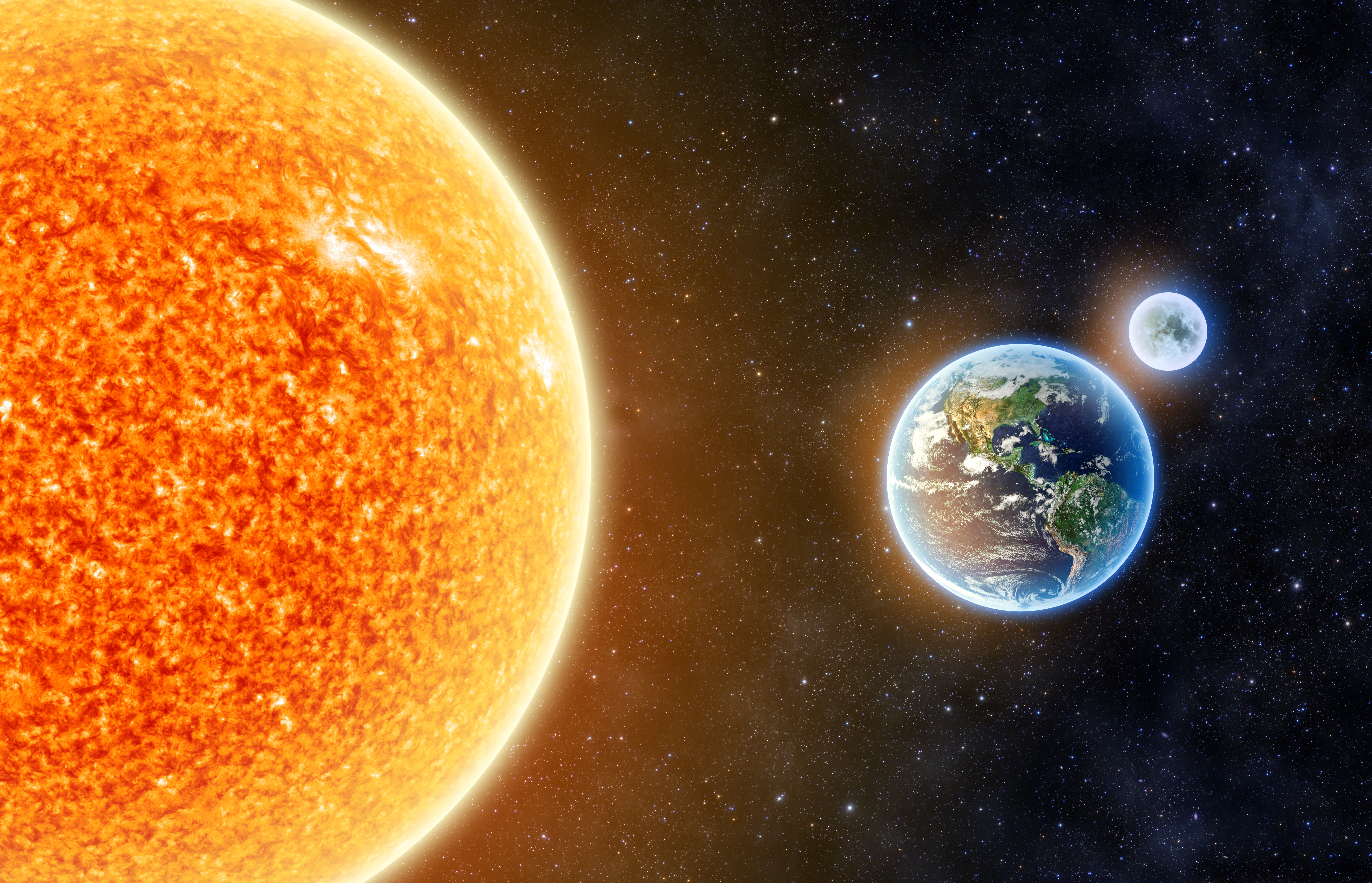
A lunar year contains 12 lunar months, which are the time it takes the moon to go around the Earth. Twelve lunar months are equal to about 354 days. But the solar year follows the time it takes for the Earth to go around the sun, so it has about 365 days.
This difference is why Lunar New Year never falls on the same day on the Gregorian calendar.
Moon and sun
Most people know about the lunar months, but not many people know that the Chinese Agricultural Calendar combines the lunar and solar calendars. It follows the movement of both the moon and the sun.
The Agricultural Calendar uses lunar months to set its dates, but it also has "solar terms" which are based on the solar year. These solar terms helped the ancient Chinese people plant and harvest their crops at the right time. This was crucial knowledge for their survival.
Solar terms are related to the Earth's positions in respect to the sun, and so they are also related to the seasons. This guided the ancient Chinese on when to perform agricultural activities.
A year's length
But how did people back then find the dates for the 24 solar terms?
They did so by observing how the sun's path in the sky would change during different seasons.
By observing changes in the sun's shadow over long periods of time, the ancient Chinese were able to find the length of a solar year. They then divided the solar year into 24 parts and came up with 24 solar terms which were essential for their schedule of planting crops.
Four of the solar terms are winter solstice, summer solstice, spring equinox and autumn equinox.
Other solar terms describe the weather, for example, grain rain, white dew, frost's descent, bright and clear, minor and major heat, and minor and major snow.
There are also solar terms such as grain buds, grain in ear and awakening of insects. These are related to crop growing and animal activities.
This all helped the ancient Chinese predict changes in the seasons and figure out the best times to sow and gather their crops.
Now that you know more about the Chinese Agricultural Calendar, do you think there is a relationship between the solar terms and the Gregorian calendar?
Quick questions
1. Which solar terms describe the growing of crops?
2. What is the difference in length between the lunar year and the solar year?
3. Which Chinese festivals always appear around the same Gregorian calendar dates, and why?
Fun facts
Each Lunar New Year corre-sponds with an animal from the Chinese zodiac. This year, 2023, is the Year of the Rabbit. More than 1.5 billion people celebrate Lunar New Year every year.