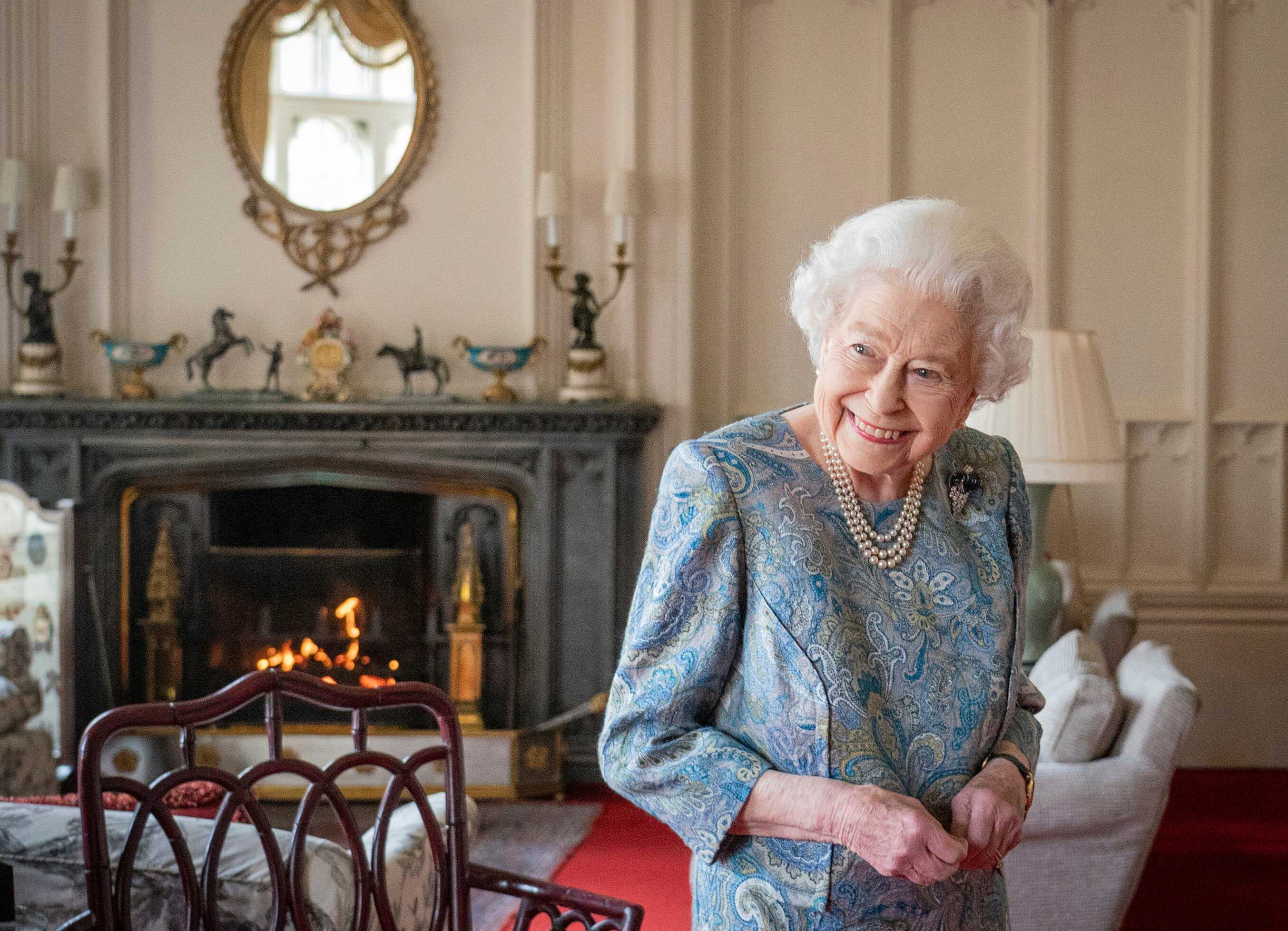
Queen Elizabeth, Britain's longest-serving monarch, has died at the age of 96.
"The Queen died peacefully at Balmoral Castle this afternoon," said the staff at Buckingham Palace. She died with her family by her side.
Her son, Prince Charles, will now become King Charles. He showed great sadness over the passing of his mother.
"I know her loss will be deeply felt throughout the country, and by countless people around the world," he said.
Who was Queen Elizabeth?
She was born on April 21, 1926. Her father, King George VI, died unexpectedly in 1952, and so she became the queen of Britain at the young age of 25.
She was queen for 70 years, longer than any other king or queen. As the longest-serving monarch in British history, she lived through the Second World War, the Cold War, and the invention of the internet.
The queen has done much to be remembered by. One of them was updating how a monarch could communicate with the people. Over the years, she sent out messages by radio, then television, then video, and then on social media. She broadcast a speech during the early days of the coronavirus pandemic in April 2020, saying that better days were yet to come.
Queen Elizabeth visited Hong Kong twice, in 1975 and 1986. During this time, the queen's portrait appeared on postage stamps and coins in the city.
Over the years, the queen travelled all over the world, meeting hundreds of world leaders and thousands of ordinary people. And to mark her 70 years on the throne this year, she even made a short film with Paddington Bear!
Many thousands of people will travel to London for her funeral on Monday.
Five things to know about
1. A monarch is a king, queen, empress or emperor. Sometimes they have other titles like sultan, tsar or emir.
2. A monarchy is a country that has a monarch. A republic is a country that doesn't. Instead of a monarch, a republic will have a leader called a president or prime minister.
3. Monarchy is one of the oldest kinds of government. In the past, most countries had monarchs. Now, not many countries still have one.
4. Today's countries with monarchs include Britain, Japan, Thailand, Sweden, Norway, Spain and Denmark.
5. Today, most kings or queens don't rule their countries. They have elected governments which do that instead. The monarch's main job is to be a symbol of their countries.