A new fossil of the long-extinct sea scorpion has been found in southern China. At just 15cm long, it is one of the smallest sea scorpions ever discovered. The find is also a rarity in China, because most of these fossils have been found in North America and Europe.
Some ancient sea scorpions were larger than a modern human! These scary predators had an armoured body but no backbone. They had spiny claws to capture prey.
Shapes and sizes
The discovery by a team of scientists from China and Britain shows us that sea scorpions – which ruled the ancient oceans for more than 20 million years – could also be small.
Scientists already knew that the creatures came in different sizes and shapes, while surviving in different environments. They evolved to live in the sea, then moved to fresh water, and then took their first steps on land.
But this new find shows how varied these top predators really were. "The species had a body length of 15cm and probably fed on shrimps, worms and other small-sized food," says Wang Han from the Chinese Academy of Sciences.
The creature lived about 450 million years ago. "It gives us a very rare glimpse into what sea scorpions were like in the early days of evolution," Wang says.
She says the find is "particularly precious" to China because most sea scorpion fossils are found elsewhere. It is also rare because, among the 250 sea scorpion species found around the world, only 12 have come from the same ancient time period.
The team named the animal Archopterus anjiensis after Anji county in Zhejiang province where it was found.
Deep-water predator
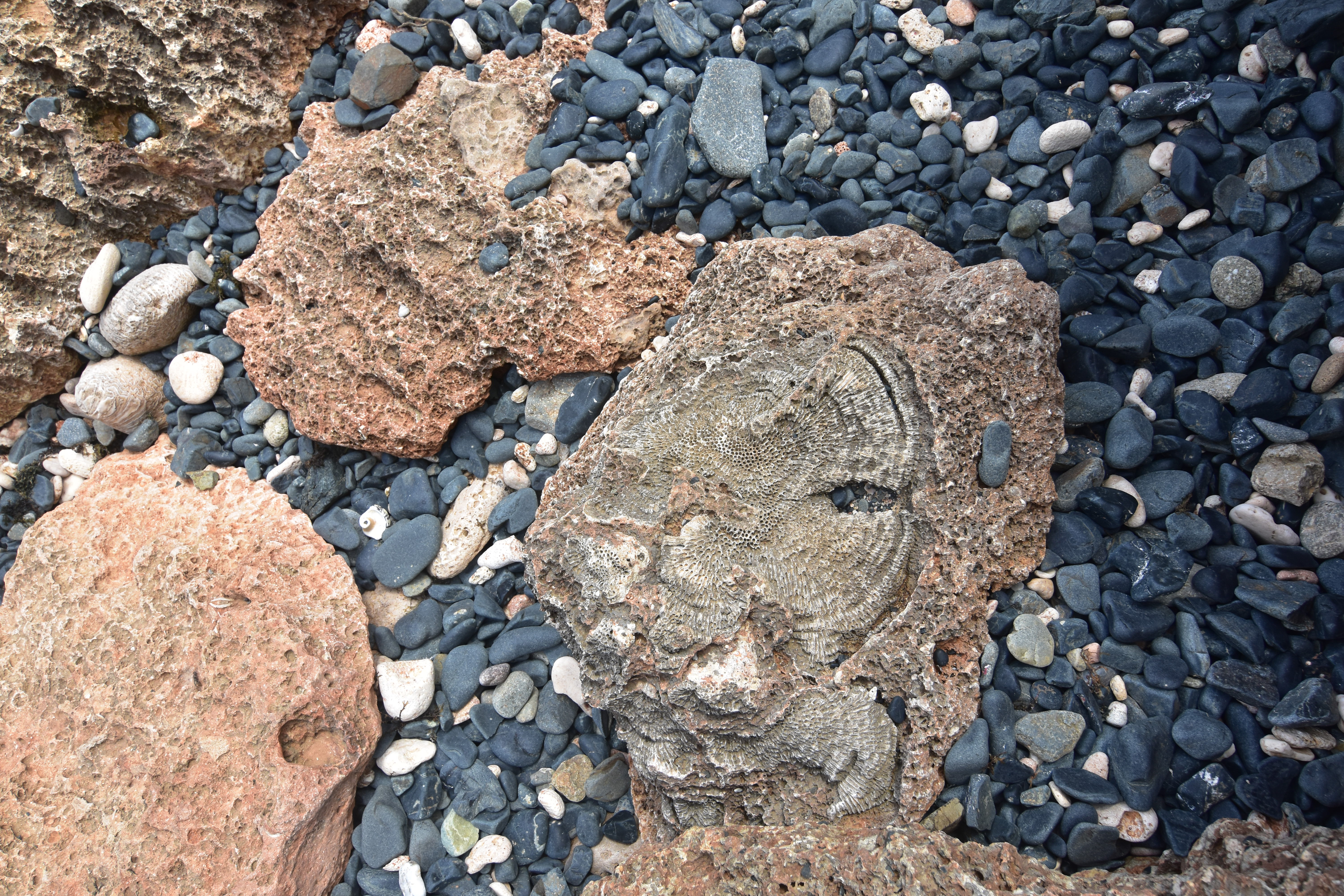
The scientists were surprised to dig up the small scorpion among a large number of sea sponge fossils. Sea sponges usually live on the sea floor. This means the scorpion may have liked deep water.
The animal had five pairs of legs. The front four legs were used for walking as it searched the seabed for food. Two paddle-shaped back legs were used for swimming.
The fossil also had several pairs of limbs at the bottom of its body, one of which was used to grasp and tear food. The animal's tail was probably not like the tail of a modern scorpion, and so it could not sting its prey.
Wang says the creature was very different from a much larger sea scorpion found in Sichuan province, which she studied some years ago with European colleagues.
The Sichuan creature lived about 10 million years later. It was 1 metre long! It was also a more aggressive predator, with limbs that could work together to catch and hold prey.
With more sea scorpion species being unearthed in China, Wang hopes she can "connect the dots" and paint a clearer picture of this varied family of creatures.
Fun facts
When an animal dies, it usually decays quickly. But sometimes an animal dies in thick mud. The mud has no air so the body doesn’t decay. Here it may rest for millions of years and become a fossil.
Quick questions
- Which other fossils were found alongside the sea scorpion?
- What animals of today may this creature be related to?
- Which phrase in the story means to put different pieces of information together?