




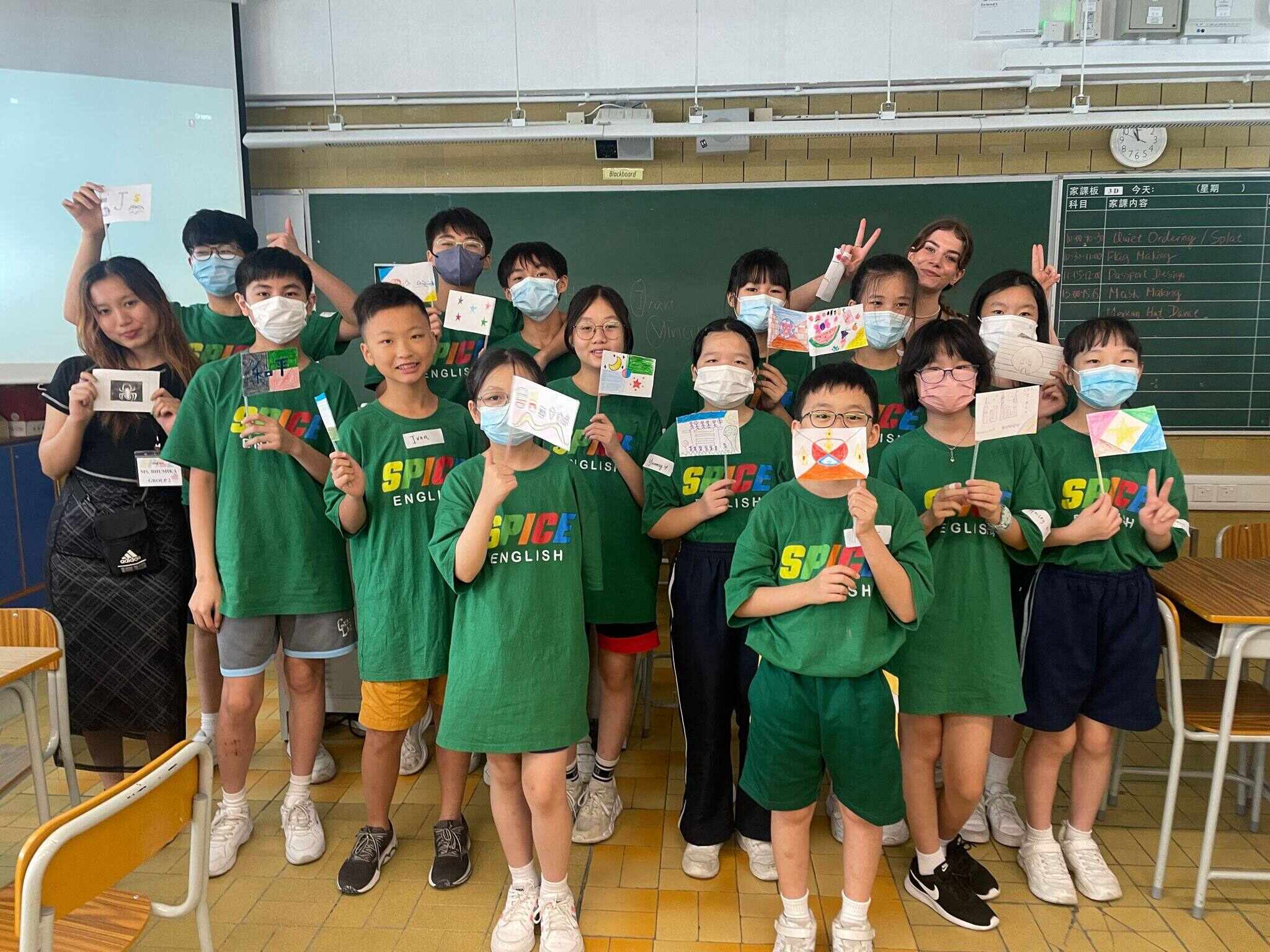
Maggie Tsang Ka-yi felt heartbroken when she said goodbye to her students on the last day of a summer camp for underprivileged pupils in Hong Kong.
“When I was saying bye to the students, they even said to me ‘see you tomorrow’, but there was no tomorrow,” shared the 25-year-old teacher.
“It was sad, but it was great to see that they really enjoyed the camp.”
What is SPICE?
SPICE stands for Summer Programme for Immersion in Communicative English. It is a non-profit summer camp that was founded in 2015 by Josephine Chesterton. It immerses pupils in fun ways of learning English.
“We believe that you don’t learn a language well if you never speak it yourself,” Chesterton said.
The programme lasts for seven days, and it happens three times every summer. Each time, the activities are hosted at a different school, and university students volunteer to teach the children.
Every year, SPICE camp brings together more than 200 children aged 10 to 12 years old. Activities include role-playing, singing and dancing in English, but there are no traditional lessons.
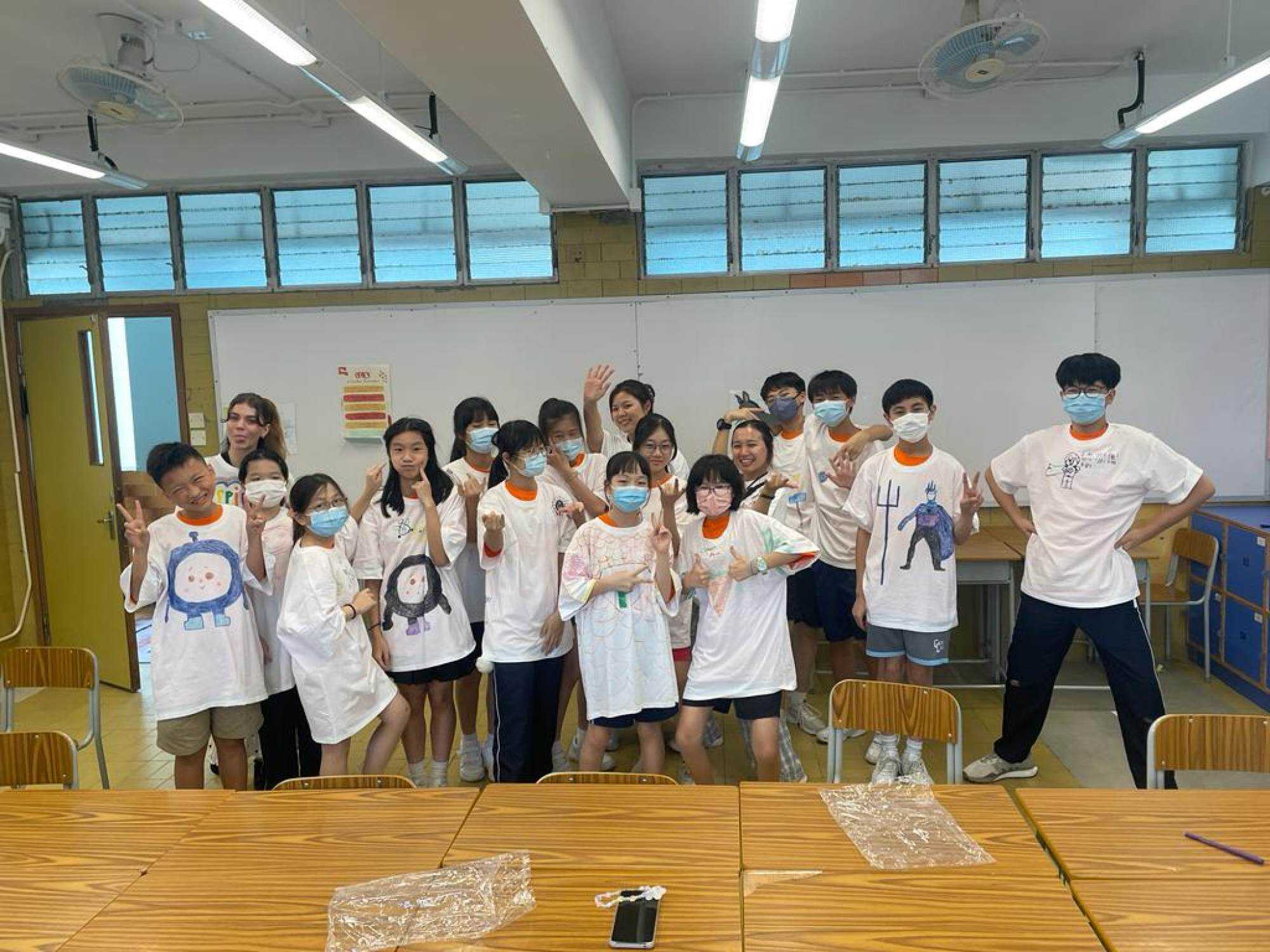
Learning can be fun
Ju Ching Chu Secondary School in Kwai Chung is one of the schools that joined SPICE.
Isis Shum is the principal. She said it was important to learn English in an interactive way. This helped pupils “build up their confidence”, she explained.
“The SPICE programme actually lets the student explore how to apply and use [English] in the outside world,” Shum said.
The principal knows her students love the programme.
“At the ... beginning, they will be a little bit shy,” she said, adding that the kids would start to get into the swing of things.
“But after the games and warm-up exercises, and the caring of the group leader, then the students start to join ... and enjoy the game.”
Use the crossword below to test your knowledge of the vocabulary words in the story.
