Chicken is perfect in soup and curry; pork chops are a cha chaan teng staple; and fish is a core part of sushi. But what is the nutritional value of different types of meat? We asked Michelle Lau, a dietitian nutritionist, about the health benefits of these foods.
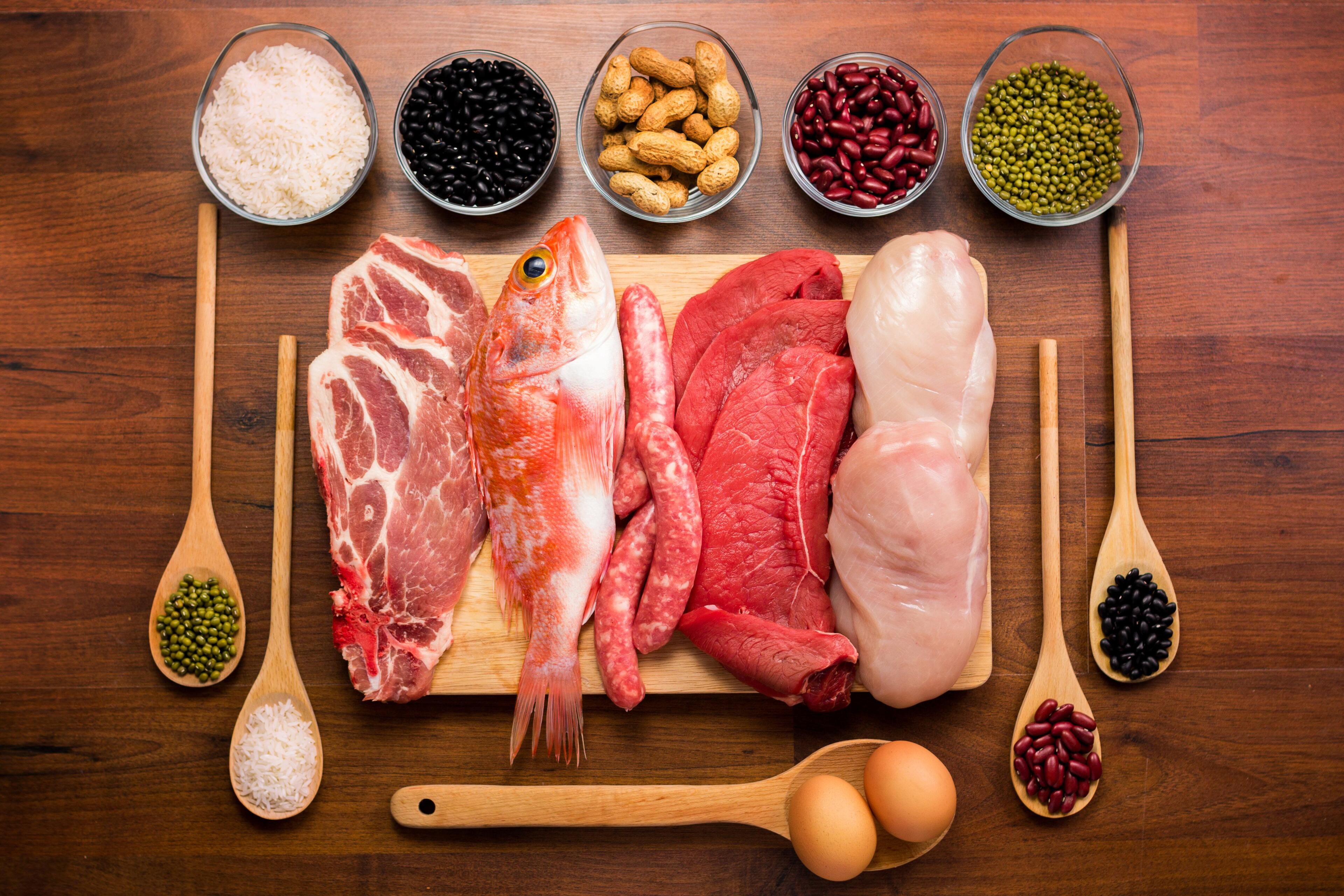
She explained that there are three categories of meat: red meat, poultry and seafood.
Of these three groups, seafood is the richest in protein. “Protein is [needed for] our organs and cells. It also helps our muscles and bones grow,” Lau explained.
Examples of seafood are fish, crustaceans – such as crab and lobster – and molluscs, which include clams, oysters and scallops. Lau described other health benefits of seafood: “These contain nutrients like omega-3 fatty acids, vitamin D and selenium.”
Red meat includes beef, pork, lamb and goat. Out of the three categories of meat, it has the most iron, which is important for growing and developing. These meats are also a good source of zinc and vitamin B12 (check out our nutrient guide at the end of the story).
Poultry includes chicken, turkey and duck. According to Lau, poultry is lower in fat than red meat and is rich in protein, vitamin B3 and vitamin B6.
While meat is good for us, it contains saturated fat – especially red meat. Eating too much of it can increase your chances of having heart disease and obesity.
That’s why it is important to eat meat in moderation and in balance with other foods. To have a balanced diet, you should eat a variety of food from each of the five basic groups: grains, fruit, vegetables, meat – or vegetable sources of protein – and dairy.
Lau shared her advice for healthy eating: “The best way is to cook together with your family because that is how we learn to eat well and appreciate food.”
Nutrient guide
-
iron: makes red blood cells
-
omega-3 fats: keeps the brain and eyes healthy
-
protein: builds and repairs muscles and bones
-
selenium: protects cells from damage
-
vitamin B3: turns food into energy; keeps the nervous system, digestive system, and skin healthy
-
vitamin B6: important in blood and brain development
-
vitamin B12: makes red blood cells; strengthens nerves
-
vitamin D: keeps bones healthy and strong
-
zinc: helps with growth; strengthens immune system
Use the crossword below to test your knowledge of the vocabulary words in the story.