Difficulty: Challenger (Stage 2)
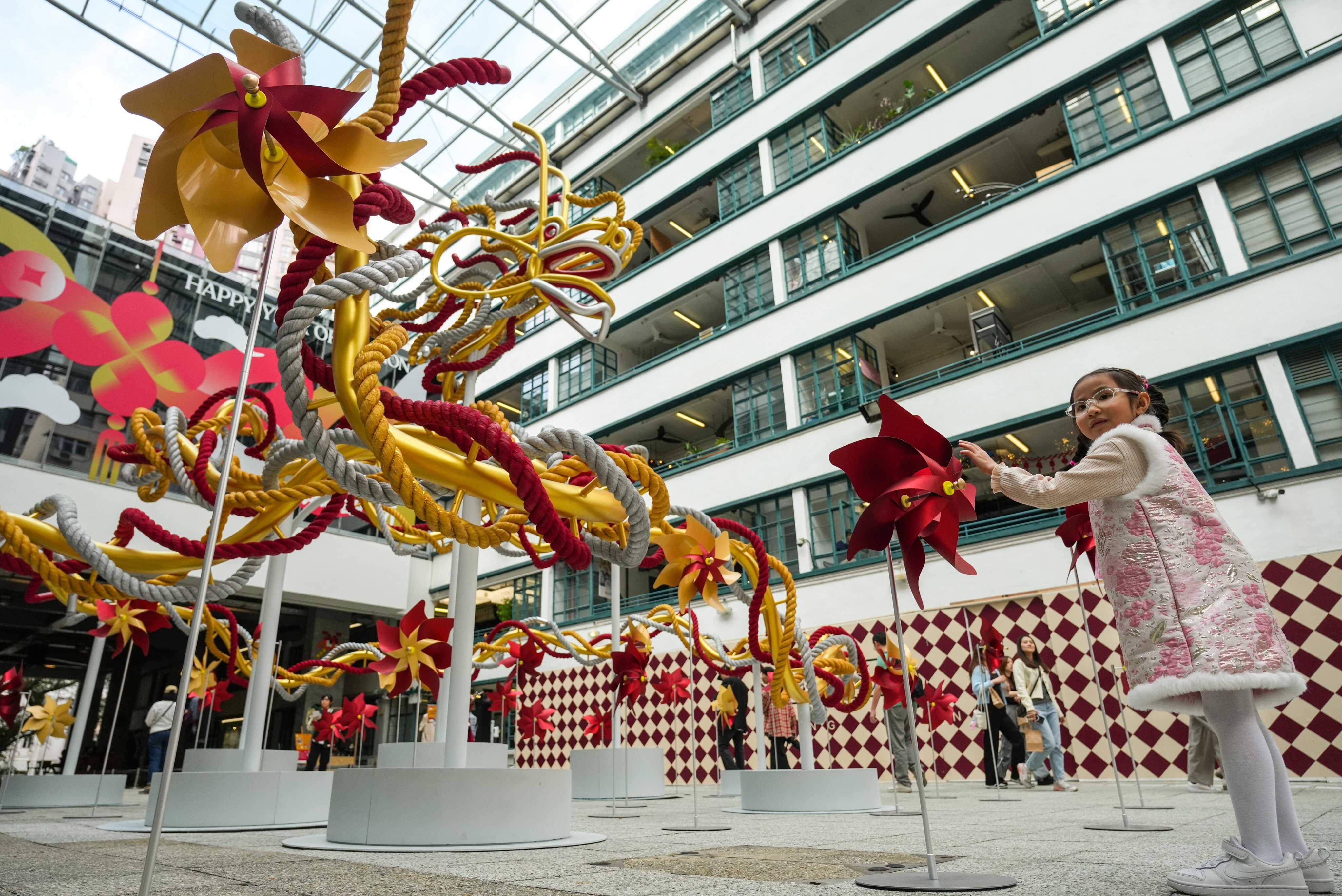
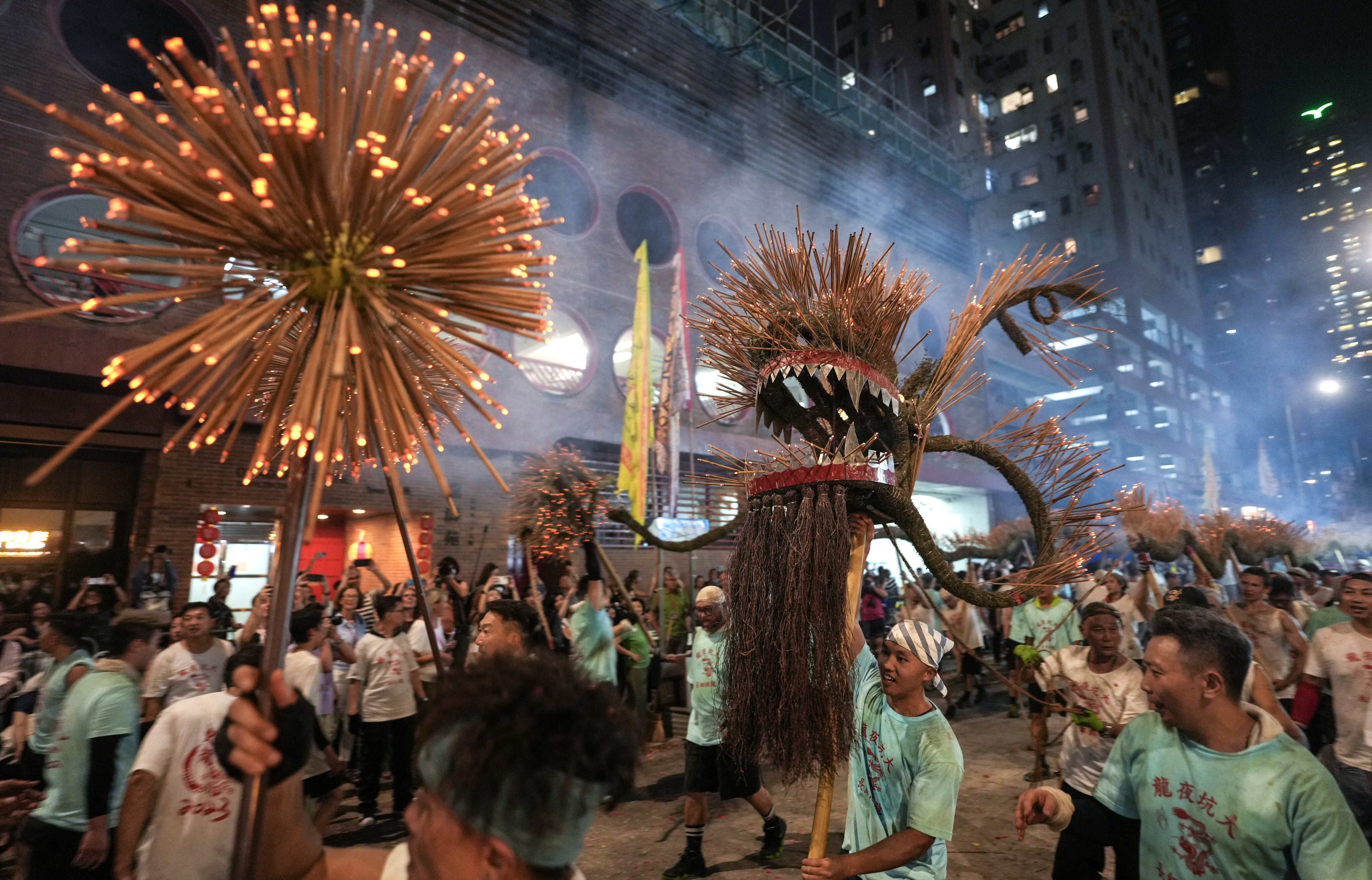
Happy Year of the Dragon! These mythical creatures are often seen as strong and lucky. Keep reading to learn more about the role of dragons in Chinese culture.
What do dragons look like?
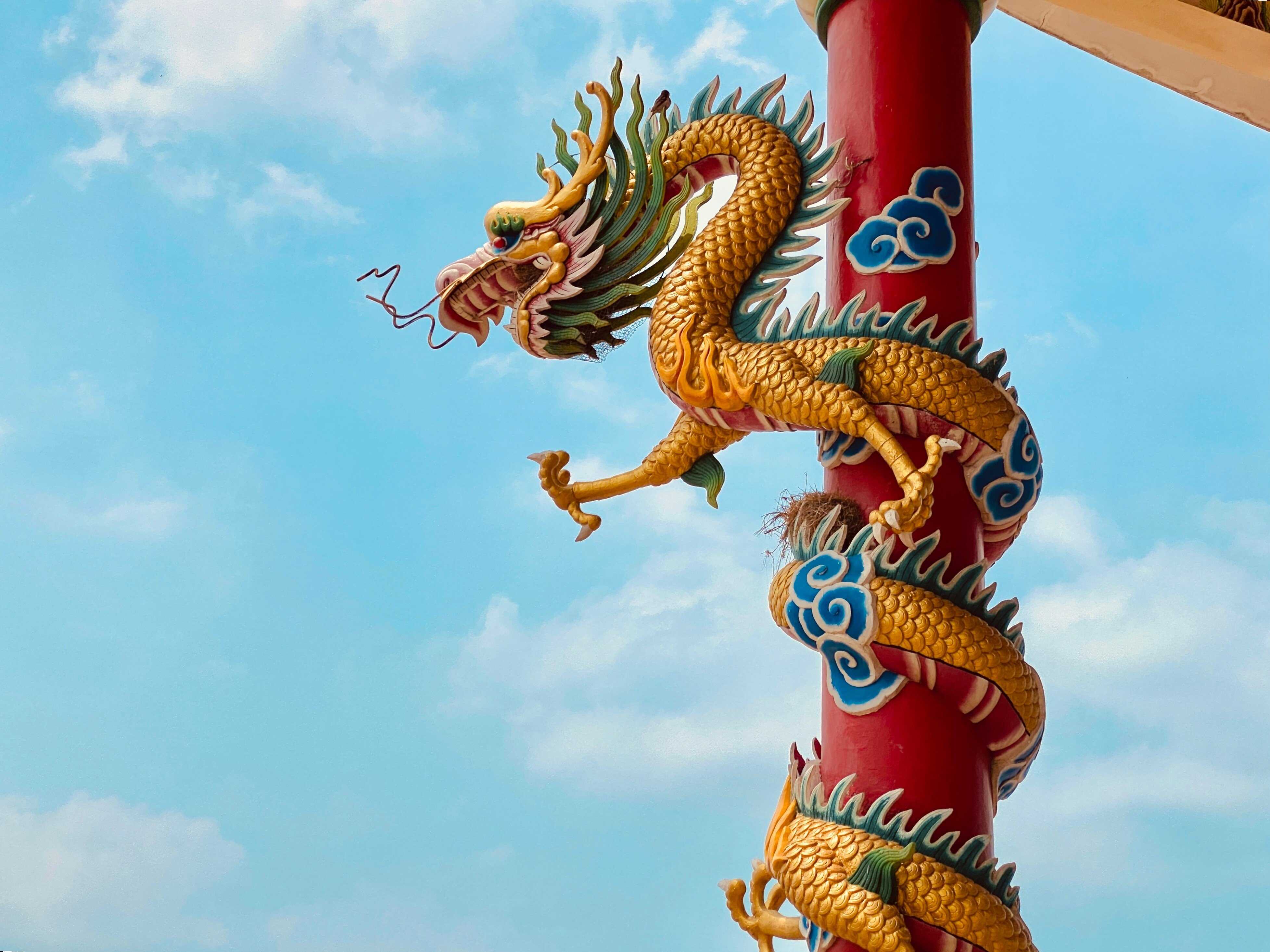
There is no proof that dragons are based on real animals. Most Chinese legends depict them with long bodies, scales and claws.
Myths say this creature has a snake’s body, a fish’s scales, a stag’s antlers, a camel’s face, a bull’s ears, an eagle’s talons, a clam’s belly and a tiger’s feet. They also had power over the weather and water.
Symbol of nobility and power
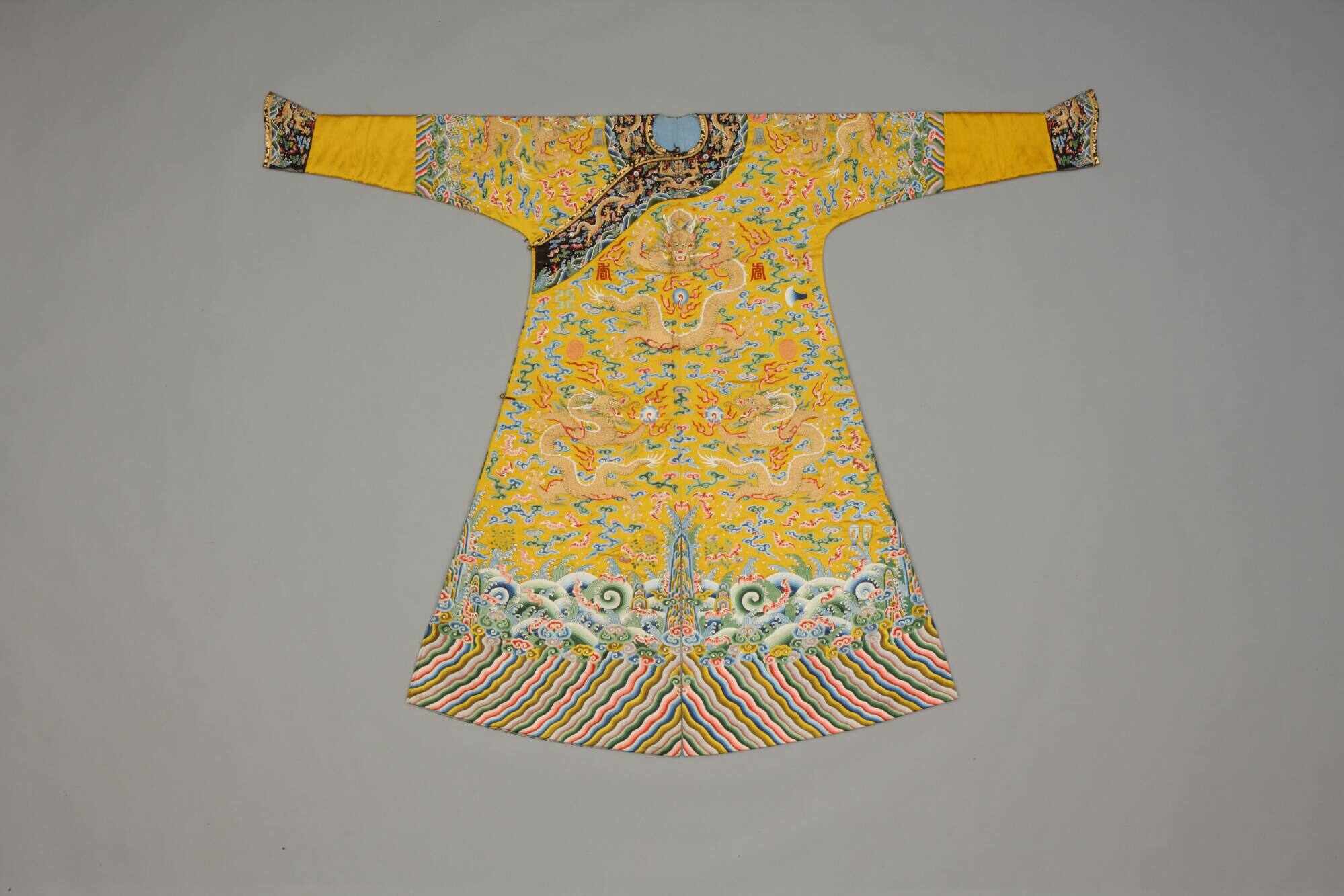
In the past, the dragon represented the power of the emperor, who was known as the “true dragon”, so only the royal family could use its image on clothing or furniture. The emperor used the dragon symbol on his robes to show that he was superior to everyone else.
Only the emperor and his immediate family could wear the most special dragons with five claws.
Chinese people are often called “descendants of the dragon” because people believe that Qin Shi Huang, the first Chinese emperor, had dragon blood in his veins.
Wisdom and success
Zhuge Liang, the imperial adviser of Shu Han during the Three Kingdoms period, was also known as “Wolong” or the “hidden dragon”. He was given the nickname because he was a brilliant strategist and skilled general that people often underestimated.
Today, people who are ambitious, talented and accomplished are sometimes called dragons.
There is even a Chinese saying: “Hope that your son becomes a dragon.” This means that parents hope their son will be successful and have a great career.
Use the crossword below to test your knowledge of the vocabulary words in the story.
Suggested answers
-
Before you read: The dragon is considered a symbol of power in Chinese culture because it was exclusively used by the emperor, who was the most powerful person of the era.
-
Stop and think: Dragons in Chinese folklore usually have long bodies with scales and claws. They are usually very strong, can often fly and breathe fire.
-
Consider: It represents a parent’s hope for their child to be successful and achieve great accomplishments in their life.