
Difficulty: Summiteer (Level 3)
Imagine sending a WhatsApp message on your phone just by thinking about it. This futuristic scenario may be closer than you think. Last month, the first human received a brain implant from Neuralink, a company developing brain-computer interfaces (BCIs).
One of the company’s co-founders, Elon Musk, said in a post on social media platform X that the patient was “recovering well”.
BCIs are like tiny translators that pick up our brain signals and learn to understand them. The BCIs then translate these thoughts into instructions for computers.
Neuralink’s chip, which is the size of a coin, was surgically implanted in the skull, with super thin wires going into the brain. This records neuron activities and sends a wireless signal to another device.
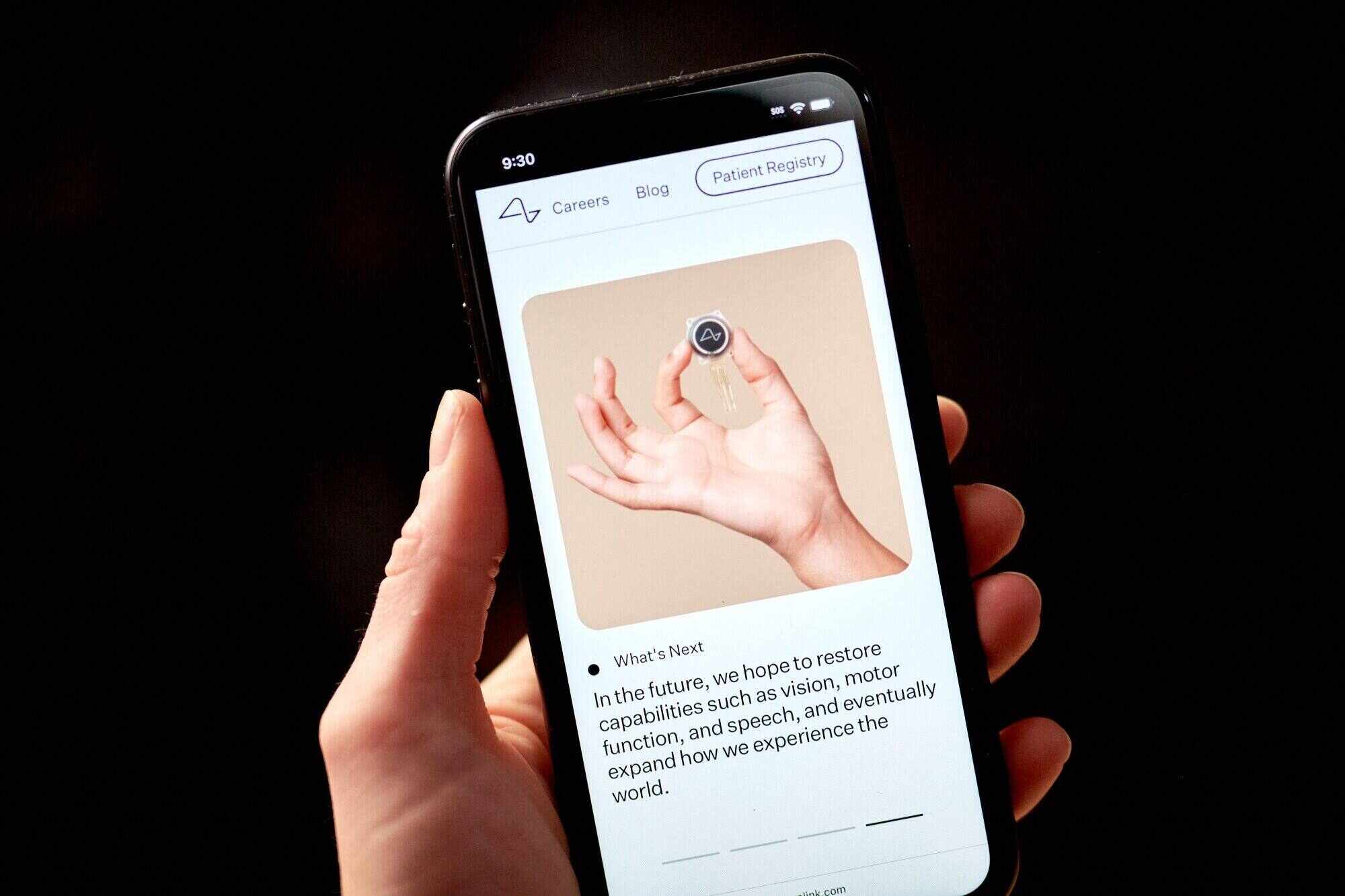
The company hopes the implant will enable people to control a computer cursor or keyboard using their thoughts alone. Musk has also said the first users of the brain implant would be those who lost the use of their limbs.
While this news may seem surprising, Neuralink is not the first company to implant a BCI into human patients.
Companies are also looking into less intrusive ways to use BCIs. For example, Neurable is developing smart headphones that track brain activity and help users focus at work. The company says its headphones can detect when wearers are stressed and remind them to take breaks.
Still, scientists warn that BCIs are in an early phase of development. Some scientists worry about the safety of these implants and how they might affect someone’s health. They are also trying to figure out how to separate private thoughts from those sent to computers.
Other concerns include the potential to misuse BCIs to control someone’s thoughts and actions. We need to make sure this technology is used ethically.
Use the crossword below to test your knowledge of the vocabulary words in the story.
Sample answers
-
Before you read: I imagine we’ll have flying cars and robots to cook our meals. (answers may vary)
-
Stop and think: It could really benefit people with disabilities because it could give them back their independence.
-
Consider this: We must have clear laws on how BCI technology is created to prevent anyone from using them for bad things. If the technology becomes widely available, we need to make sure everyone understands BCIs and the issues surrounding them.