Difficulty: Challenger (Level 2)
On a fun Saturday afternoon, a group of excited people gathered at a cafe in Sai Ying Pun for a board game workshop.
Six moderators guided small groups of players. Three of them had mild intellectual disabilities. They asked the players to draw different “mission” cards to advance towards the finish line.
The game was about completing tasks related to the environment. Players learned many things, including what items are recyclable and how waste affects the planet.
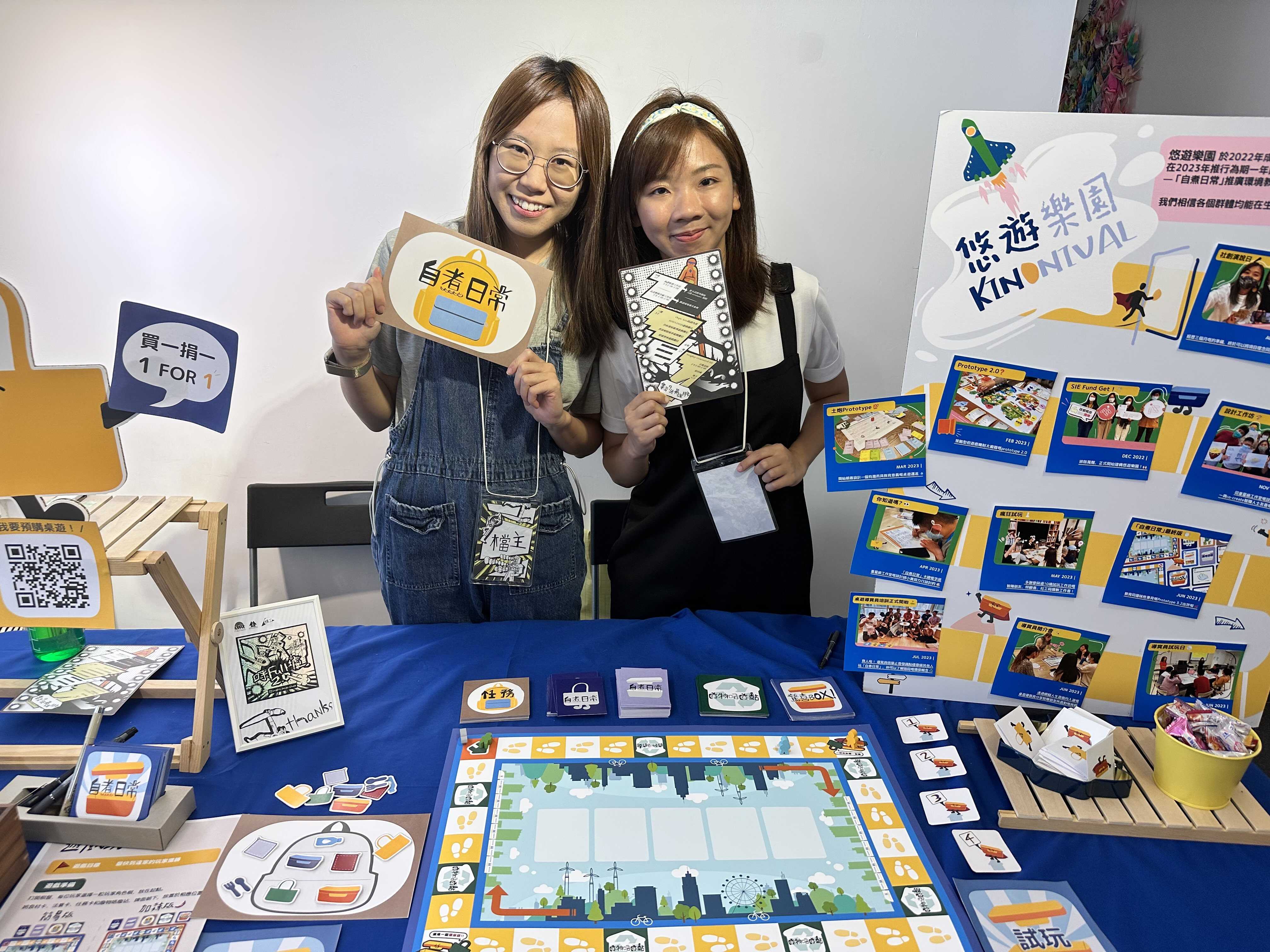
Natalie Yau Hiu-shuen and Claudia Lau Ching-yee are the creators of the board game. It is the first in Hong Kong to focus on educating people with mild intellectual disabilities and special educational needs (SEN) about the environment.
“Environmental educational games are often complicated ... This made us wonder if individuals with intellectual disabilities or SEN students would be able to benefit from them,” Yau said.
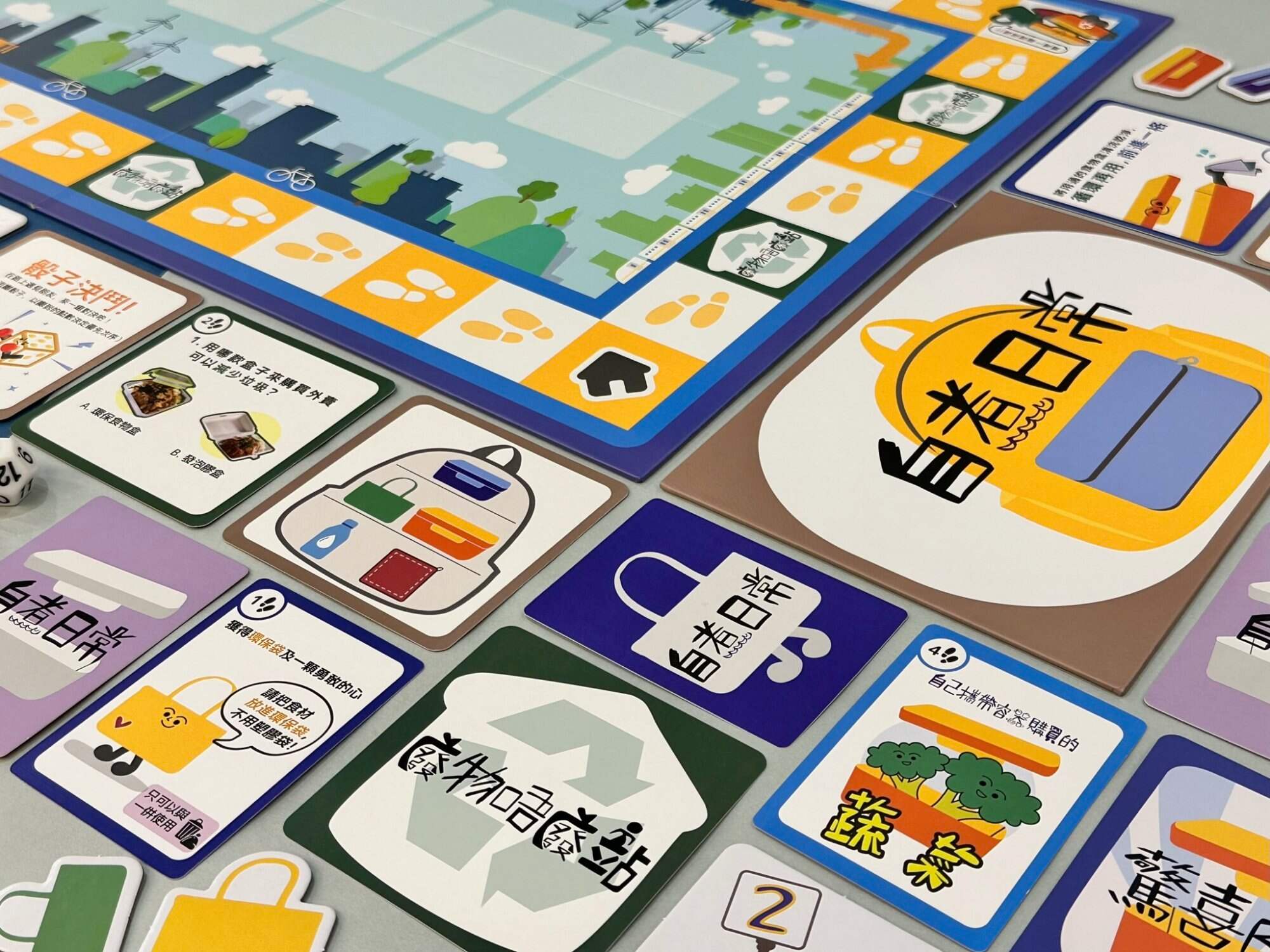
They believe people with mental disabilities can play their part in protecting the environment. In 2022, Yau and Lau founded the social enterprise Kindnival to promote eco-education through games.
The game’s name relates to the phrase “daily autonomy”. It touches on the fact that often, people with disabilities do not have control over many aspects of their lives.
“In this game, they can make their own decisions, [like] where to buy certain ingredients. We also included concepts such as shared refrigerators,” Yau said.
Empowering others
Yau also hoped to encourage mentally disabled people to pursue creative careers. Currently, members of this community are often stuck with labour-intensive jobs.
Tony Lo, who has a mild mental disability, appreciated the opportunity to take part in this project. He was trained to be a moderator to help lead games. He was also one of the two typography designers who created the special font used in the game.
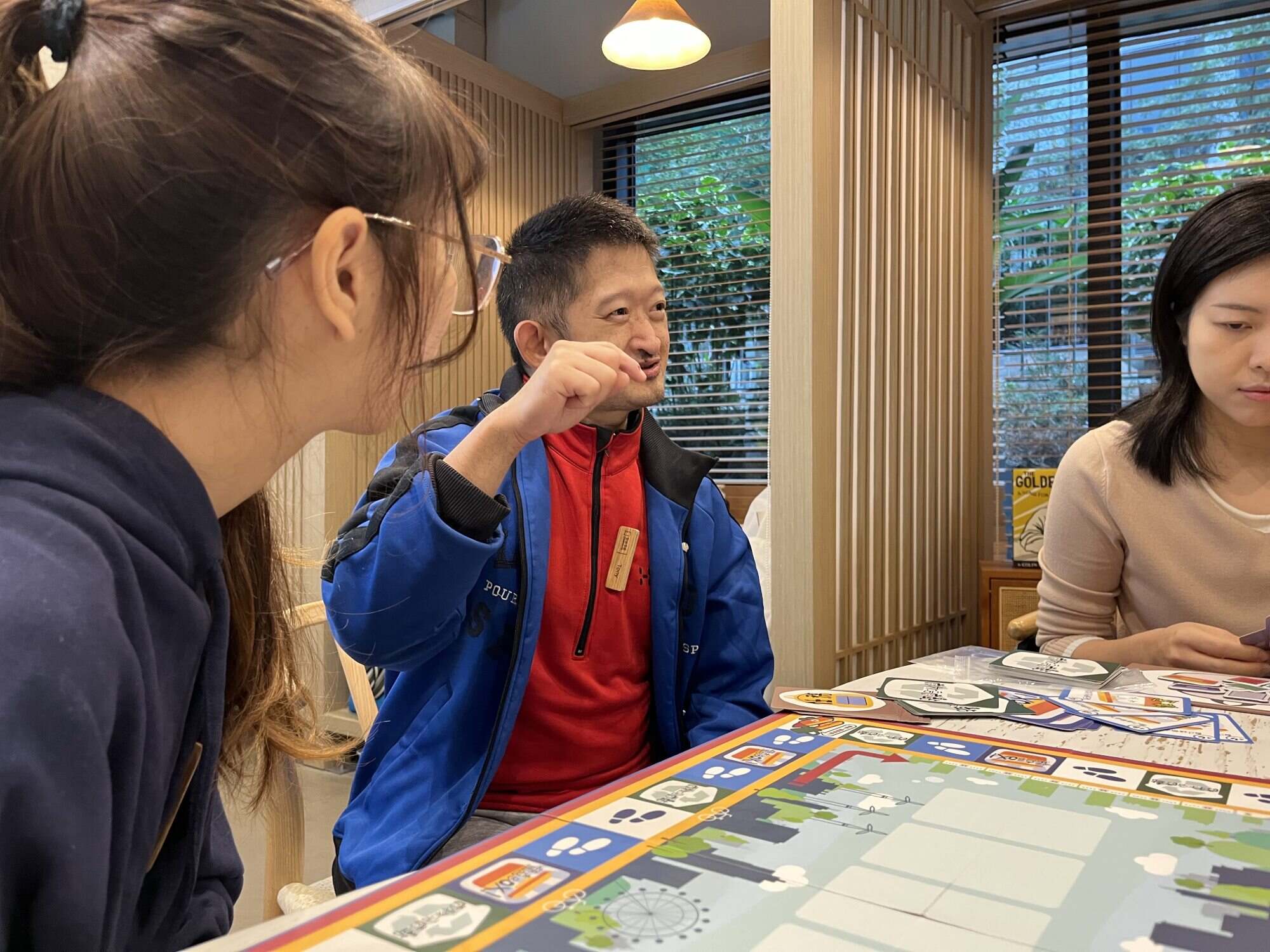
Kindnival has held six training sessions for board game helpers and 17 game workshops.
These workshops target special schools, organisations employing disabled people, environmental educators and the public. They often partner with cafes for the workshops.
“Our aim is to convey that environmental awareness is an integral part of our lives,” Yau said. “It’s something we can all contribute to.”
Find the words in the puzzle below to test your understanding of the vocabulary in this story.
Suggested Answers
-
Before you read: Things like interactive experiences, fun props and flashy images can keep people’s attention when teaching environmental awareness.
-
Think about it: The purpose of Kindnival is to promote eco-education through games, especially for people with intellectual disabilities.
-
Stop and think: They wanted to know what people with mental disabilities wanted from the game and how to best design it for their needs. It also gave individuals with disabilities a chance to work on a creative project rather than a labour-intensive one.