Difficulty: Summiteer (Level 3)
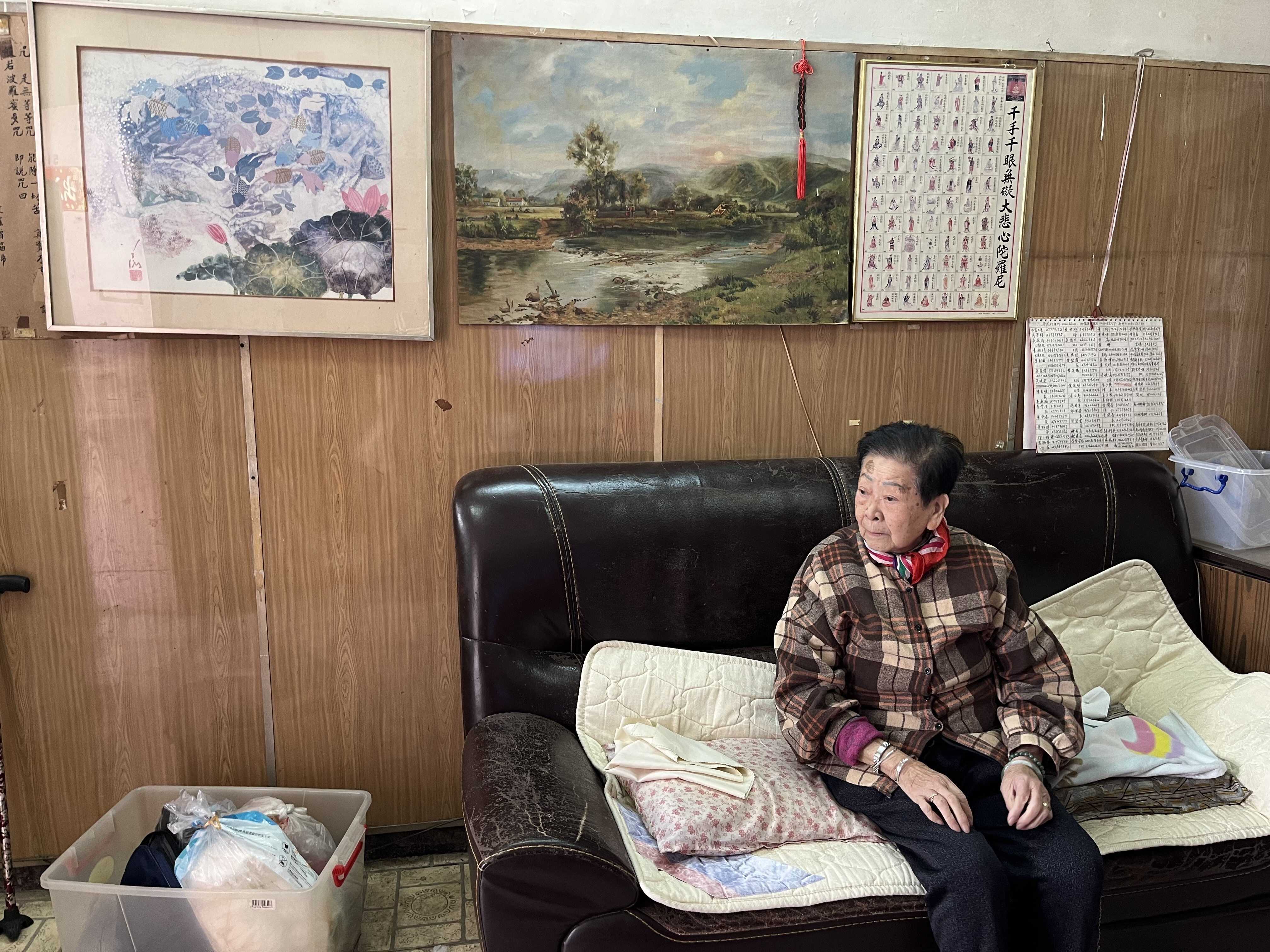
Yip Lai-gyun, 99, sat on the sofa, taking one last look at the flat she cherished for nearly 60 years in Tai Hang Sai Estate. Her home has been slated for redevelopment.
Old Hong Kong tiles and camphor wood cabinets were the few remnants of the past in this 200 sq ft flat in Shek Kip Mei. The elderly woman was devastated about leaving.
“I am very upset now. I love this flat a lot as we have lived here for a long time,” Yip shared. “My son was born into this place.”
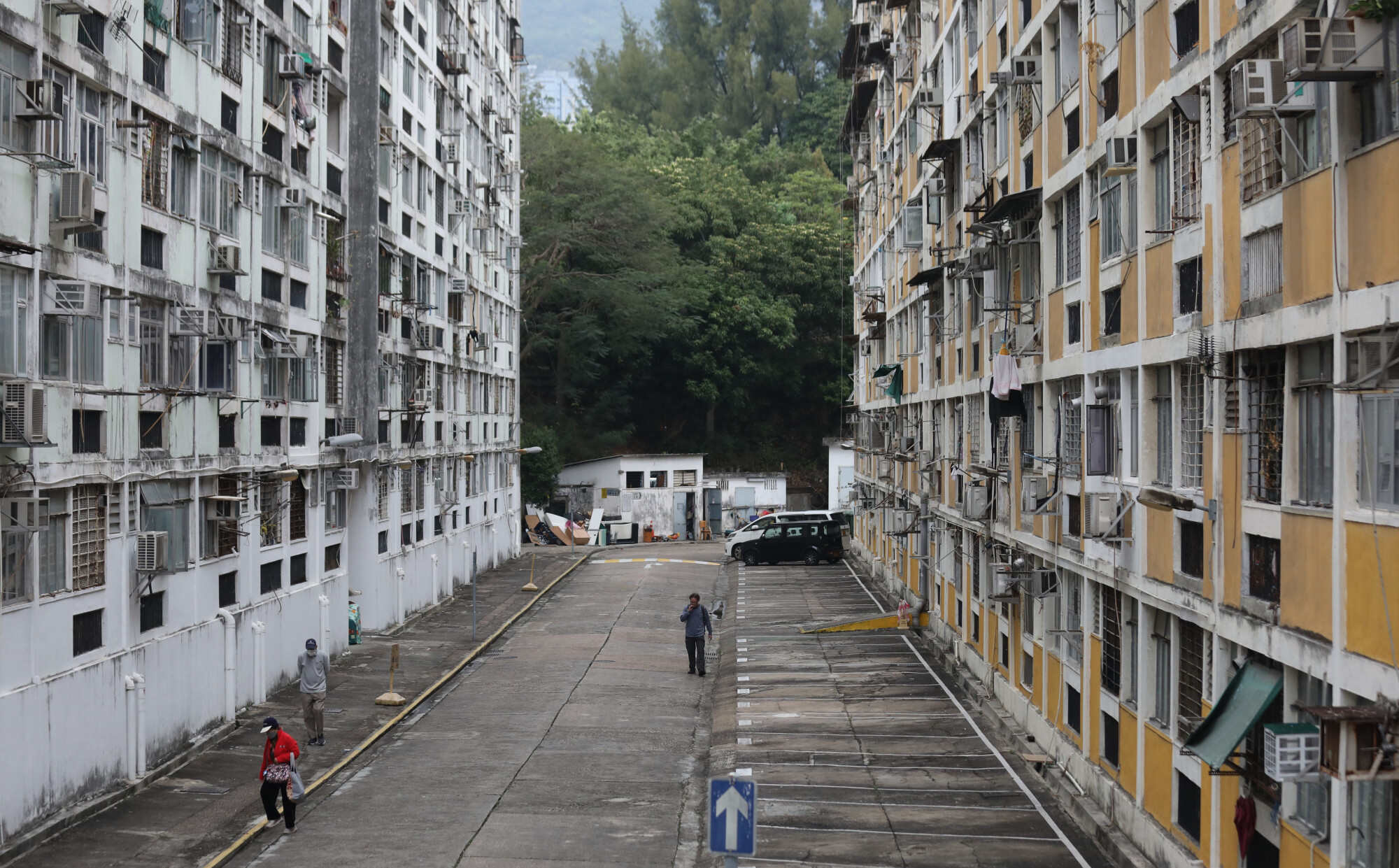
Built in 1965, Tai Hang Sai Estate is Hong Kong’s only private low-rental housing. To make way for redevelopment, tenants had to vacate their units before March 15.
What is the Folk Museum?
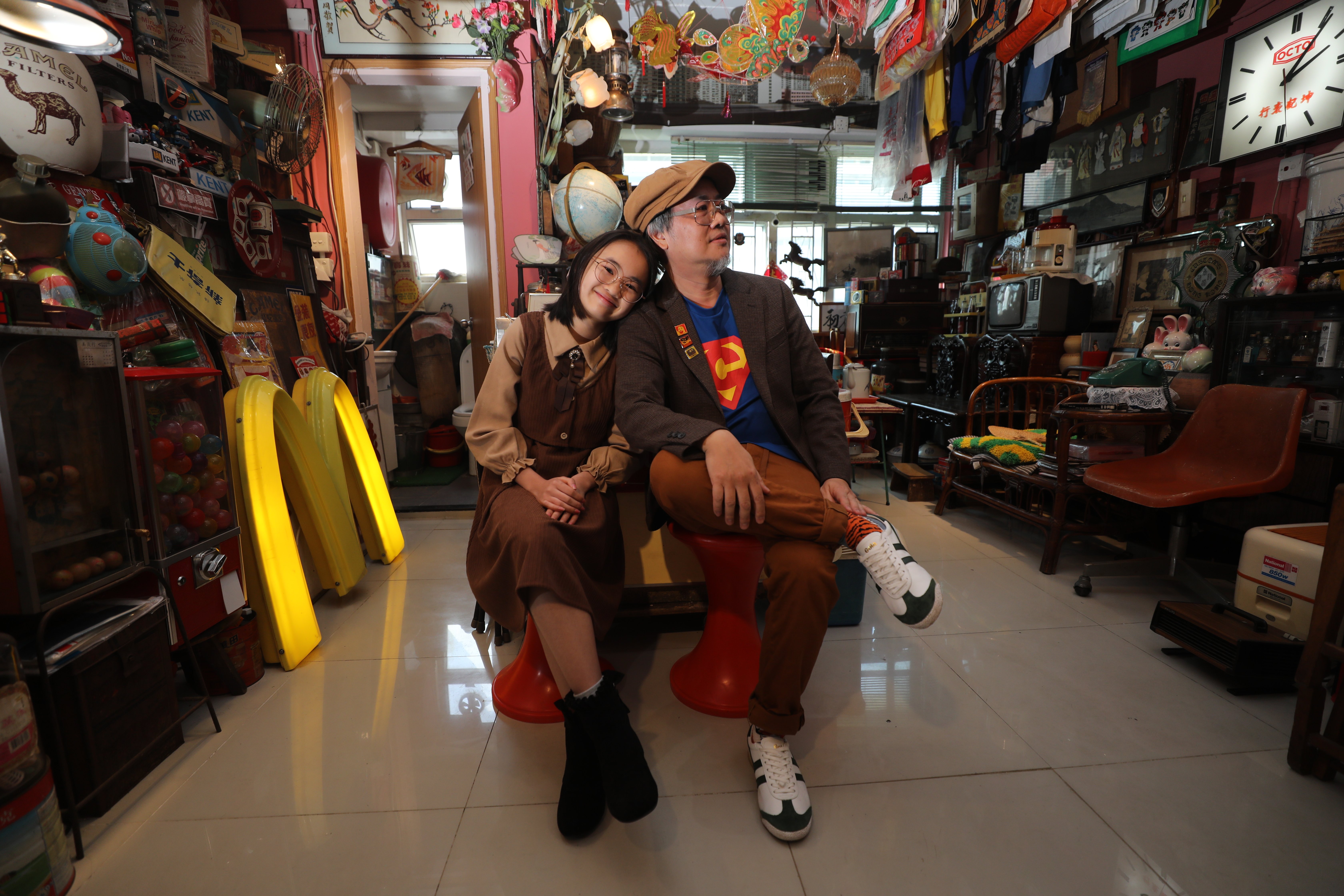
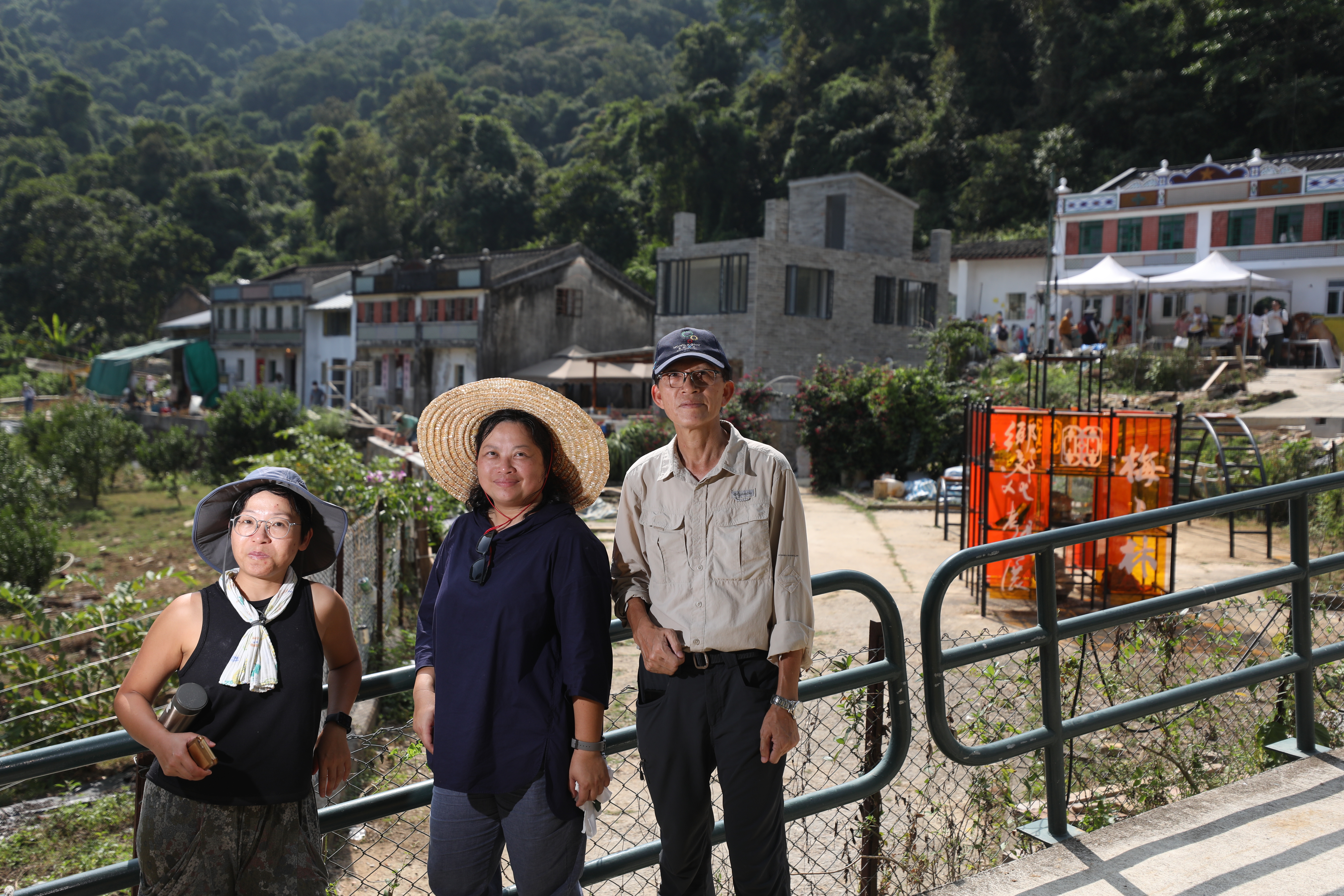
Many elderly residents of this estate, especially those living alone, struggled to clear their flats on their own. To support those in need, the Folk Museum, led by four Hong Kong volunteers, helped them relocate for free.
They are more than just movers – the group wants to preserve the estate’s storied artefacts from the 1970s to the 1990s. They aim to organise an exhibition in Sha Tin to showcase these items.
From a cheongsam to a working desk once used by the Legislative Council during the British colonial period, the group gathered more than 200 artefacts from Tai Hang Sai Estate’s former tenants.
Pan, who prefers to go by his nickname, founded the Folk Museum after seeing an elderly lady struggle to move her furniture on the street. The group has assisted over a dozen residents.
“We want to set up a museum that allows everyone to appreciate the city’s culture and history,” Pan said.

Love for Tai Hang Sai Estate
Set to be completed in 2029, the redevelopment project aims to provide 3,300 flats – more than double the current 1,600 units.
As time runs out for this estate, its former residents hold onto memories of the camaraderie they formed over the years.
Yui-man, Yip’s daughter, said: “The kaifong here knew us when we were just kids ... In the past, we would bond with our neighbours. Our doors would remain open, and we would call out their names. They’d come over for soup and food. We’d play in the corridor. That sense of neighbourhood was different.”
Use the crossword below to test your knowledge of the vocabulary words in the story.
Suggested answers
-
Before you read: The estate was built in 1965, and the buildings are old and in need of major renovation.
-
Stop and think: It is because they are older and have difficulty moving heavy items. They have also formed close friendships with their neighbours, and it is hard for them to move away.
-
Consider: They are a record of a disappearing way of life and community in Hong Kong.