Difficulty: Challenger (Level 2)
Within an hour at Tai Po market, a group of Lingnan University students salvaged 86kg of food waste from vendors.
They gathered everything from coffee grounds and sugar cane pulp to “ugly” produce. Normally, these items would end up in landfills. But thanks to this initiative, the “ugly” produce was given to those in need, and the other food waste went to farms for composting.
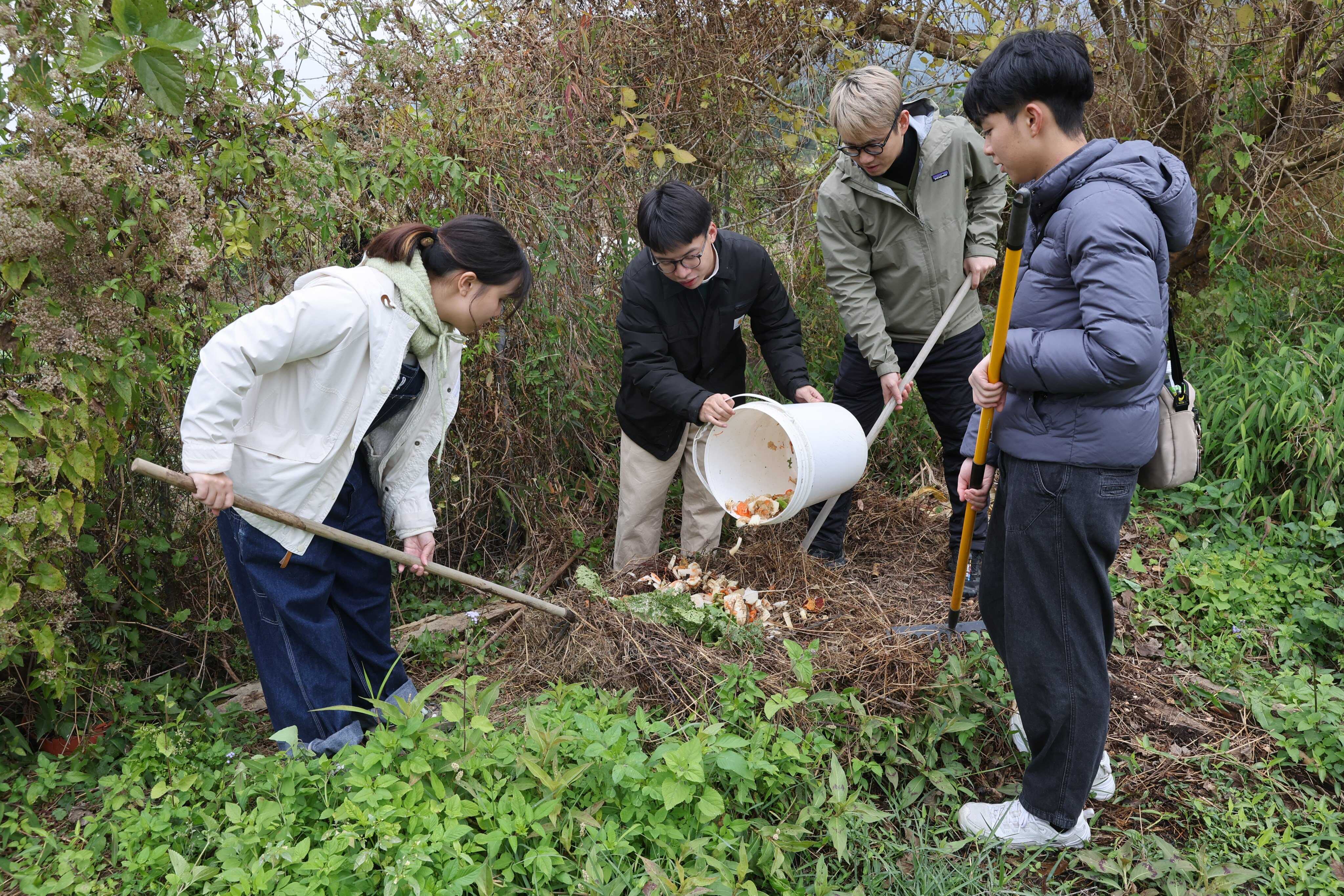
At Pioneer Farm in Yuen Long, other students helped with the hot composting process. This is a way to break down the food scraps and transform them into fertiliser with lots of nutrients for plants.
These 30 students were part of a service-learning course led by Daren Leung Shi-chi, a research assistant professor at Lingnan University. The course is supported by Leung’s NGO, Day Day Waste-Wise, which he co-founded with Lab0ver, a local group dedicated to establishing a community network for food waste recycling in Hong Kong.
“The students ... never imagined that collecting [so much] surplus food could be so easy,” Leung explained. “They realised the severity of Hong Kong’s food waste problem.”
Service learning
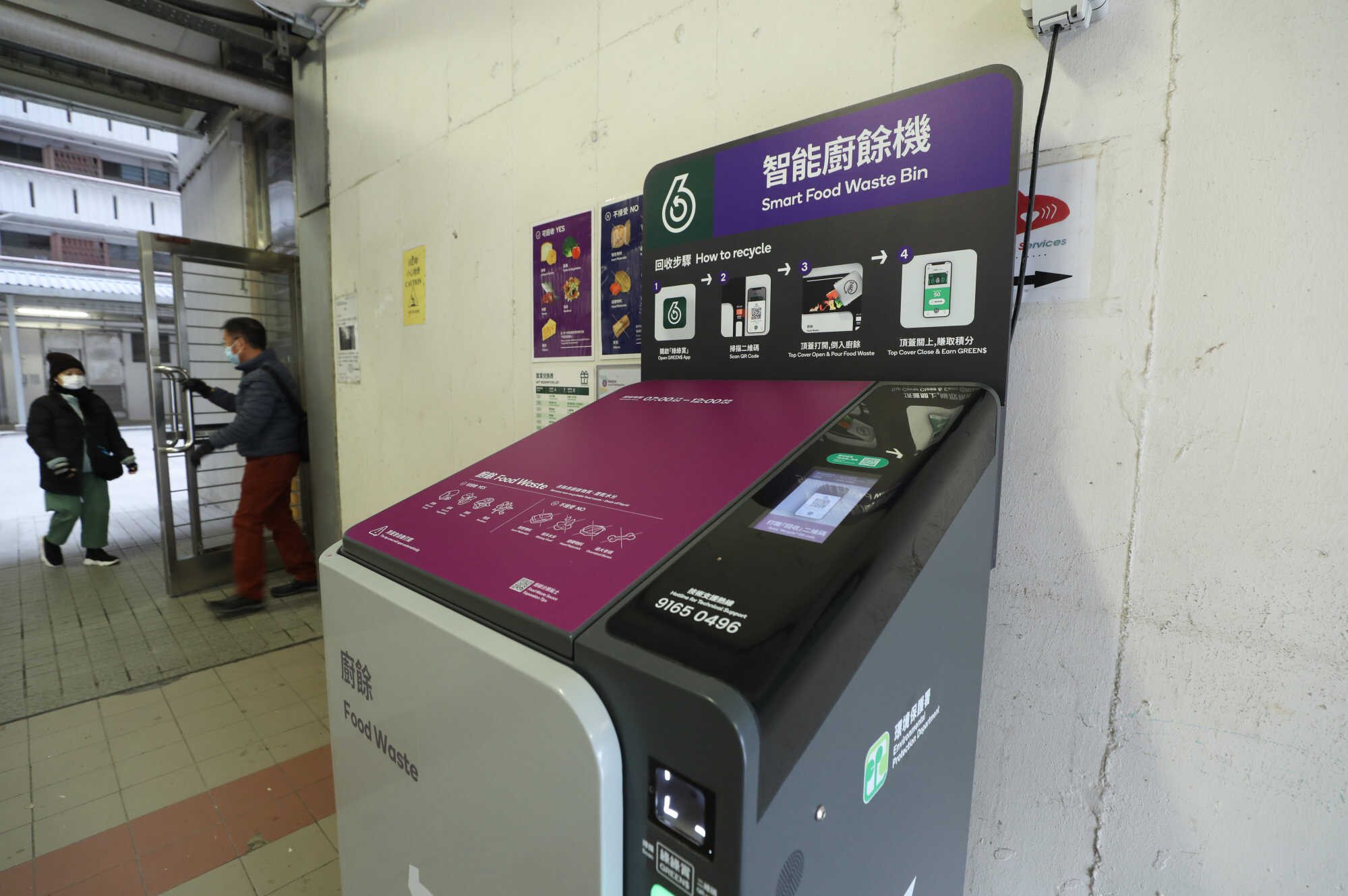
In 2022, about 11,130 tonnes of municipal solid waste (MSW) ended up in Hong Kong’s landfills each day. Food waste accounted for around 3,300 tonnes daily, and it was the largest category of MSW. To tackle this, the city has introduced food recycling bins, but many of them cannot be used by most residents.
Translation student Mabel Wong, 21, shared how this service learning practicum opened her eyes to the pressing issue of food waste.
“I witnessed how many perfectly edible ‘ugly’ fruits were discarded,” said the fourth-year student.
“This has changed the way I think about my future ... Originally, I was interested in social work, but now I’m considering becoming a campaigner.”
Community food waste management
Hong Kong’s waste-charging scheme had been postponed to August, but government officials have hinted that it could be delayed again. Many people are concerned that the city is not ready for the scheme because it needs more recycling facilities and education.
Timmy Sum Pit-tim – the 23-year-old co-founder of Day Day Waste-Wise and Lab0ver – believes there should be more focus on teaching the public about the environmental impact of waste.
He said: “Many existing environmental education programmes can be dull, focusing only on basic concepts like three-colour recycling. That’s why we wanted to improve [it].”
Last year, they hosted an activity at Tung Tak School in Tuen Mun. The event for primary school pupils had interactive workshops, such as how to use leftover food to make pizza, dye fabric with onion skin, and make green compost.
Leung pointed out that young people could learn life skills by adopting a sustainable lifestyle: “Seemingly insignificant ... things can be turned into something useful.”
Use the puzzle below to test your knowledge of the vocabulary words in the story.
Suggested answers
-
What happens to the food waste that the students collect? The “ugly” but edible food goes to those in need, and the rest of it goes to farms for composting.
-
What is Timmy Sum’s suggestion for how to reduce waste in Hong Kong? Sum thinks the city needs more engaging, relevant education on the environmental impact of waste.
-
What are two problems listed in the article that contribute to the waste problem in Hong Kong? Many people discard food that is “ugly”, even though it is edible. / The food recycling bins in the city are not easily accessible for everyone. / The city’s environmental education is very basic and dull. (any two)