Difficulty: Summiteer (Level 3)
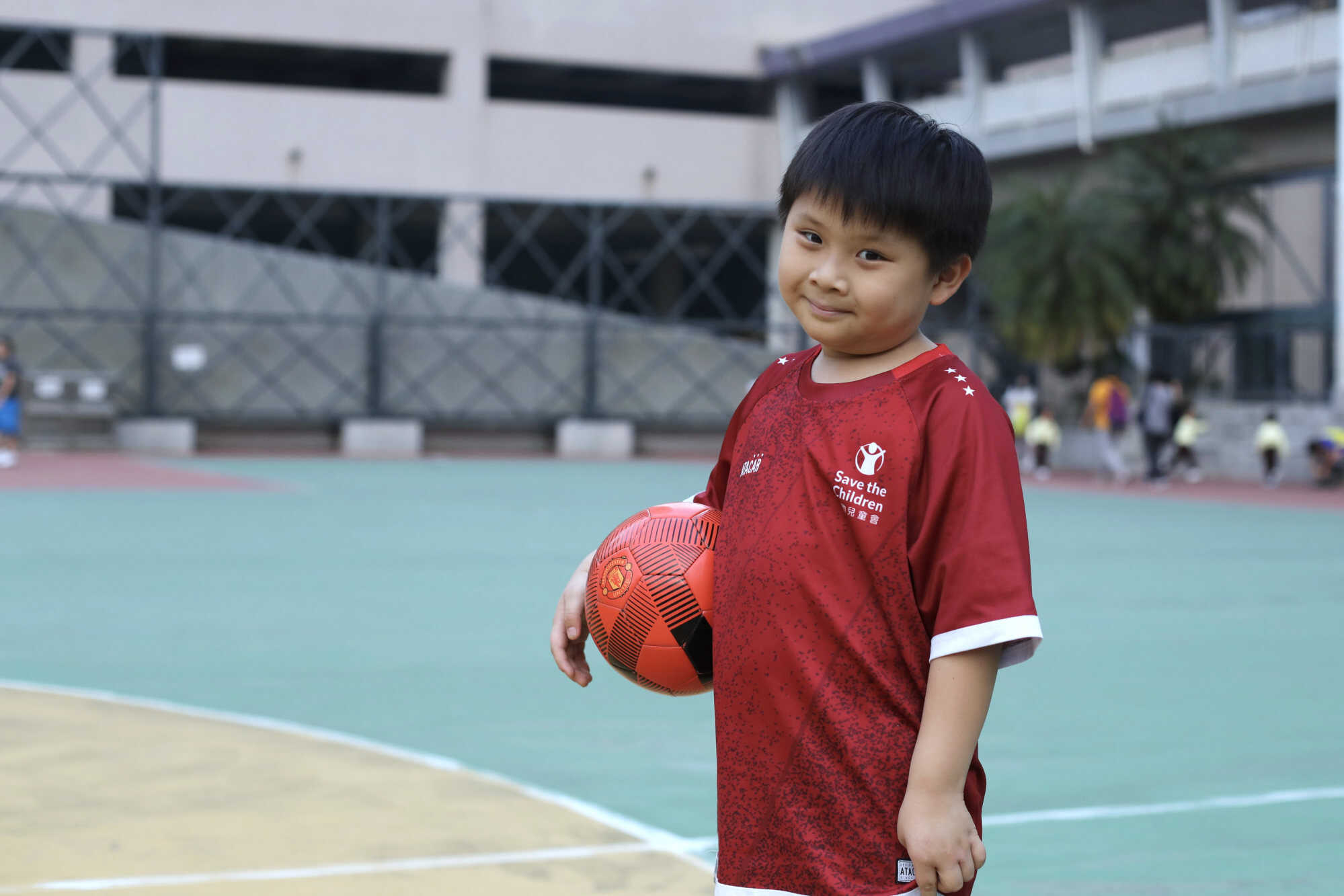
Six months after Primary Two pupil Bellamy* started playing football in the Play to Thrive programme, his mother, Sharon*, noticed positive changes.
Because of the pandemic, he had spent most of his time in kindergarten at home. So the young boy did not have a chance to play with his peers.
“His communication and interpersonal skills suffered due to the lack of a social life … But [after playing football], he gets more talkative and brighter,” the mother shared.
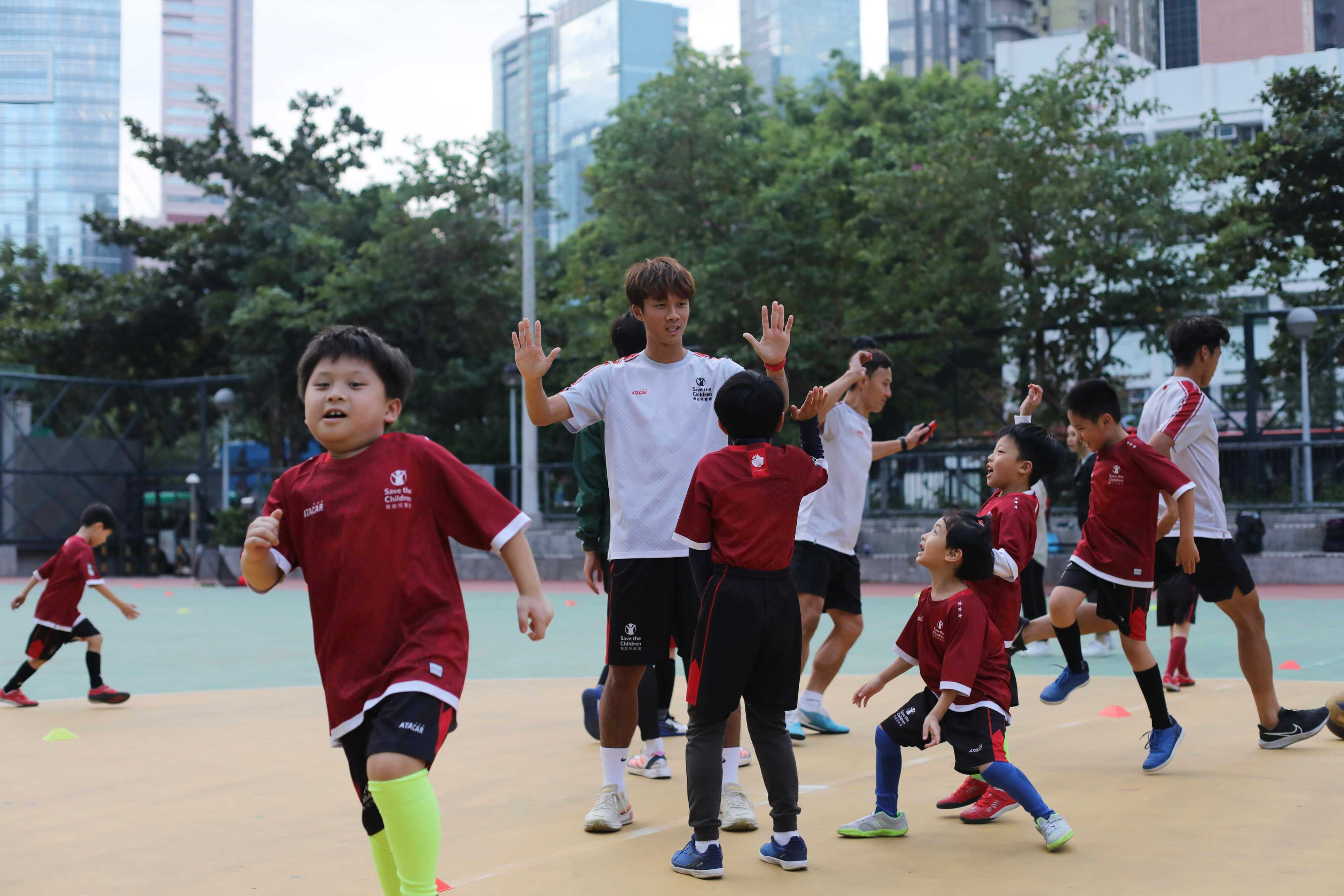
Play to Thrive was launched by Save the Children Hong Kong last year. It is a three-year project for children aged six to 12. Currently, it serves families in Sham Shui Po and Tin Shui Wai. The programme’s goal is to use football to enhance the mental well-being of 1,100 children in different parts of the city.
“[It] uses football to teach social-emotional skills, from understanding their emotions ... to communication with others and conflict management,” said Carol Szeto, who is the CEO of Save the Children Hong Kong.
Play to Thrive is free of charge for every child, regardless of their ability, and provides participants with all the football gear they need.
“The prolonged isolation due to Covid, [as well as] learning interruptions and economic pressure on families, have significantly impacted children’s mental health and psychosocial well-being,” Szeto noted.
Benefits of football
Alex Chan, a dean and professor at Tung Wah College, said that children struggled to socialise in person again after home learning and wearing masks for so long. He noted that pupils also seemed less motivated in school.
“After Covid, people have focused mostly on catching up on academics, which puts stress on children’s emotions and behaviours,” he said.
Chan, who is also a psychologist, believes that football is a great way to address these challenges.
“When children devote themselves to playing the sport, it increases their motivation … If they see improvements in their abilities, they will be more willing to take up challenges,” he said.
“Through team play, children can develop social skills, such as communicating with each other through language or facial expressions. It helps children ... with better emotional regulation and peer relationships.”
*Full name withheld at interviewee’s request.
Use the puzzle below to test your knowledge of the vocabulary words in the story.
Suggested answers
-
Stop and think: After remote learning, was it tough for you to return to school? (Answers may vary.)
-
Think about it: According to Sharon, how did the pandemic affect Bellamy? Sharon said that Bellamy did not get the chance to interact with and play with his peers, which caused his social life and interpersonal and communication skills to suffer.
-
Reflect: Based on the article, how can sports help children deal with the effects of the pandemic? Szeto said that sports like football can improve social-emotional skills, communication and conflict management. Chan added that it helps with emotional regulation and peer relationships.