Difficulty: Summiteer (Level 3)
In Kuk Po – a Hakka village in Hong Kong with three centuries of history – two tables of guests were treated to a springtime feast.
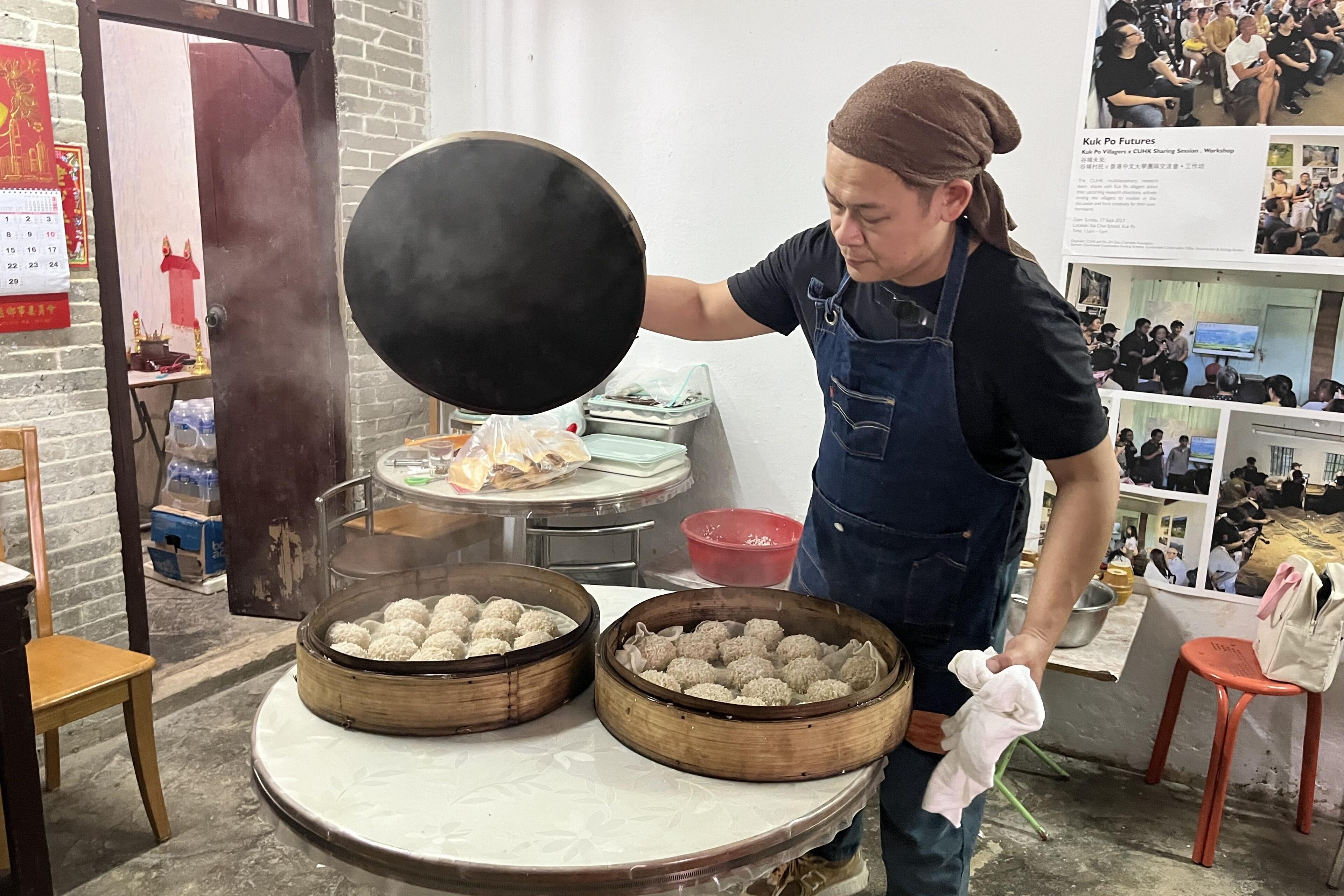
The seven-course Hakka dinner began with starters like pickled radish in rice wine jelly and charcoal-grilled glutinous rice turnip cakes. It was followed by the main courses: yellow rice wine chicken and braised pork belly with pickles.
The farm-to-table experience was part of a sustainable tourism project organised by the local conservation group Tourism Innovation Studio. The project aims to encourage visitors to explore places they do not usually visit.
“Our idea of deep travel is to transform the best things of Hong Kong into a unique travel experience,” said Paul Chan Chi-yuen. He is the chairperson of Hong Kong Community Heritage Foundation Limited, the NGO behind Tourism Innovation Studio.
Exploring rural areas
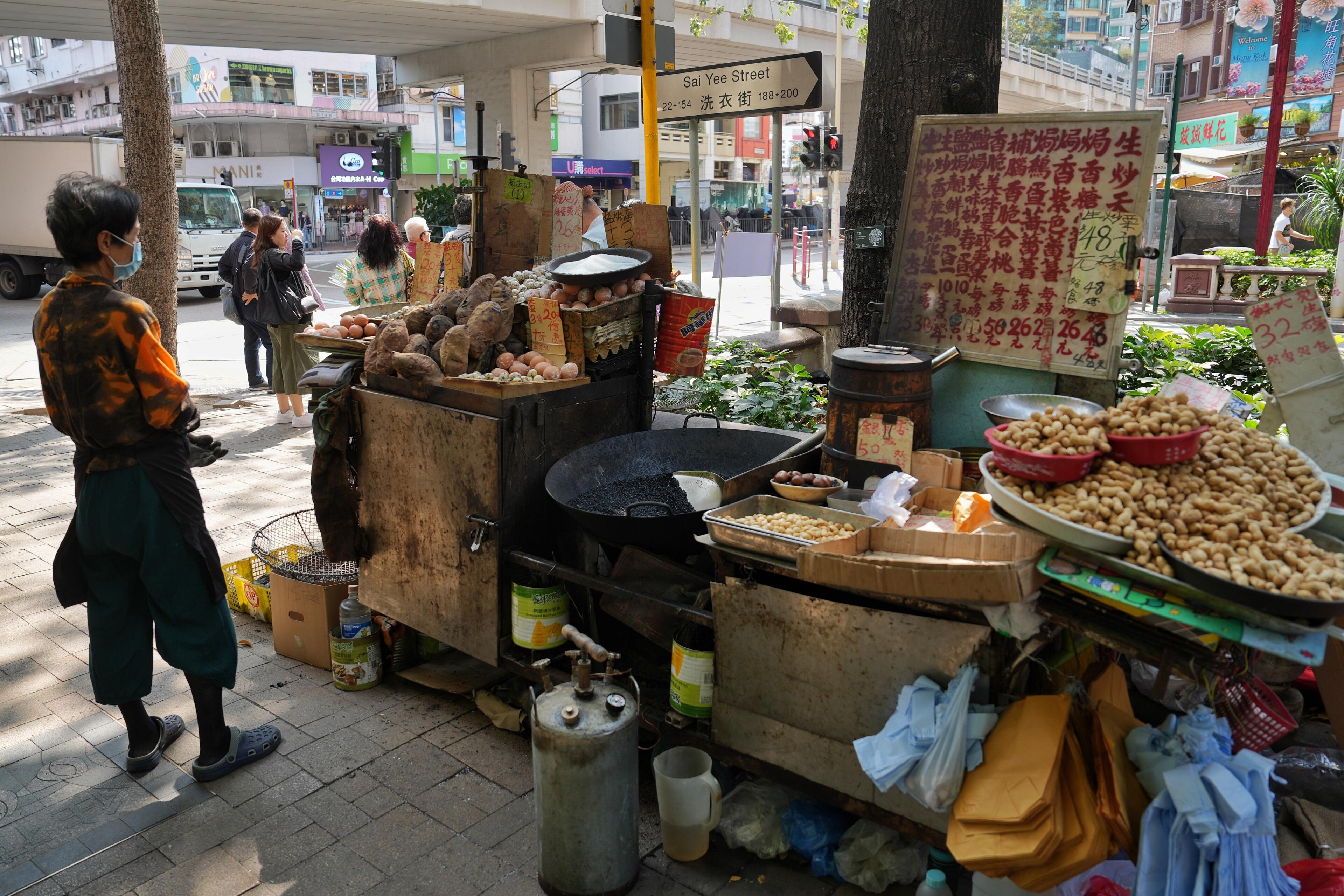
Tour groups often rush towards Hong Kong’s Instagrammable spots. However, Chan thinks there are valuable experiences in the countryside.
“Hong Kong’s rural areas have tremendous potential for deep travel,” he said. He added that “good tourism” should protect the locale’s unique culture.
Kuk Po is one of seven Hakka villages in Yan Chau Tong, named Double Haven in English. Many Kuk Po residents began leaving in the 1960s. It was one of nearly 100 abandoned villages across the New Territories for decades.
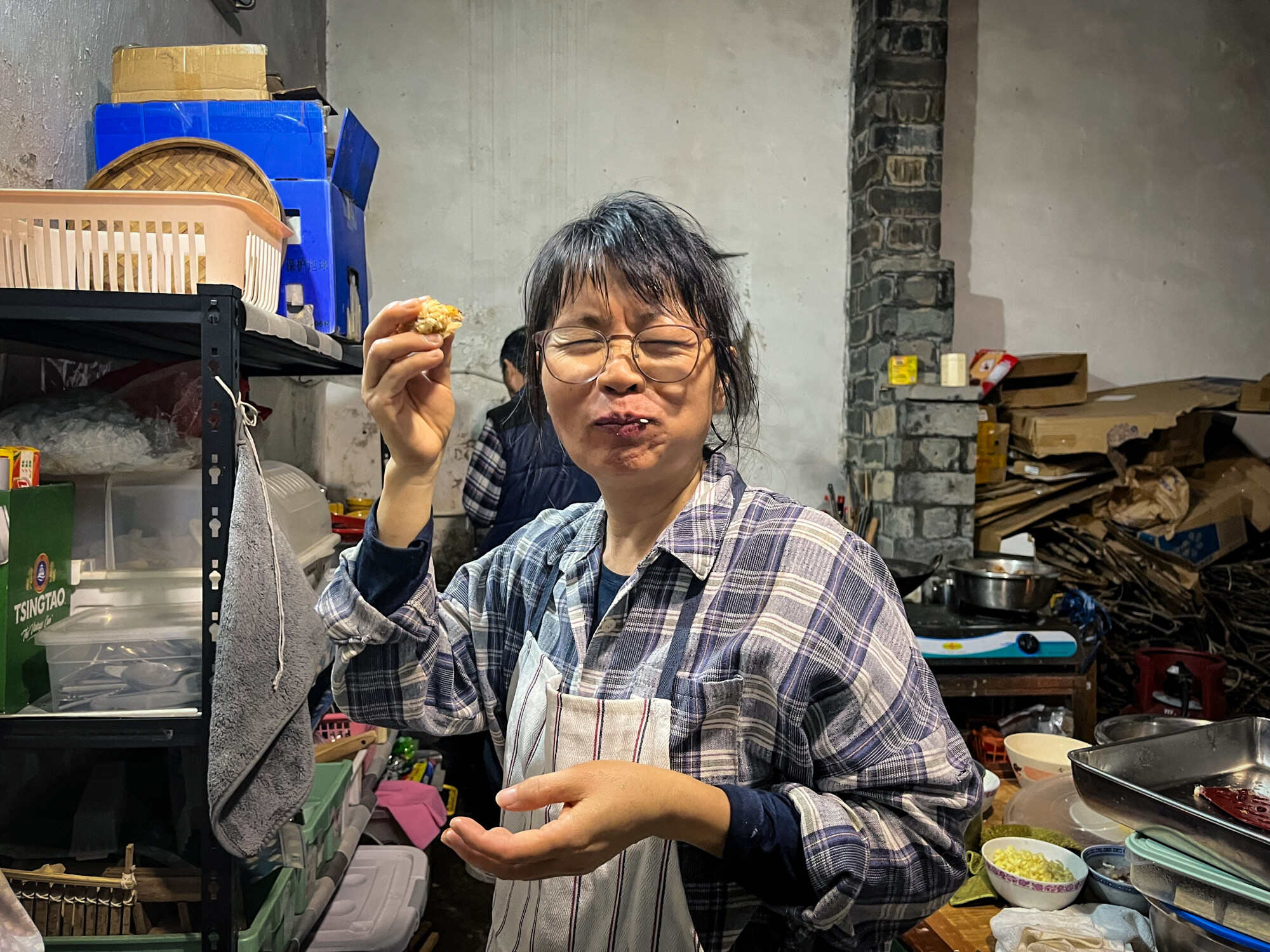
But in recent years, rural villages like Kuk Po have received government funding to bring them back to life.
This year, Tourism Innovation Studio is holding four themed Hakka feasts. It is using seasonal ingredients to capture Kuk Po’s changes in spring, summer, autumn, and winter. The meals are held in the ancestral home of villager Lee Muk-sing.
Chan explained: “Food serves as a universal language. Even if you may not have the strongest interest in history and culture, everyone is naturally drawn to food.”
Food and history
One dinner was held during the Lantern Festival in February. It also served as a recipe exchange between actor Joey Leung Jo-yiu and villagers Lee and Li Suet-mui.
“When a recipe is exchanged or passed down, it brings back the warmth of life during that time,” shared Leung, 47.
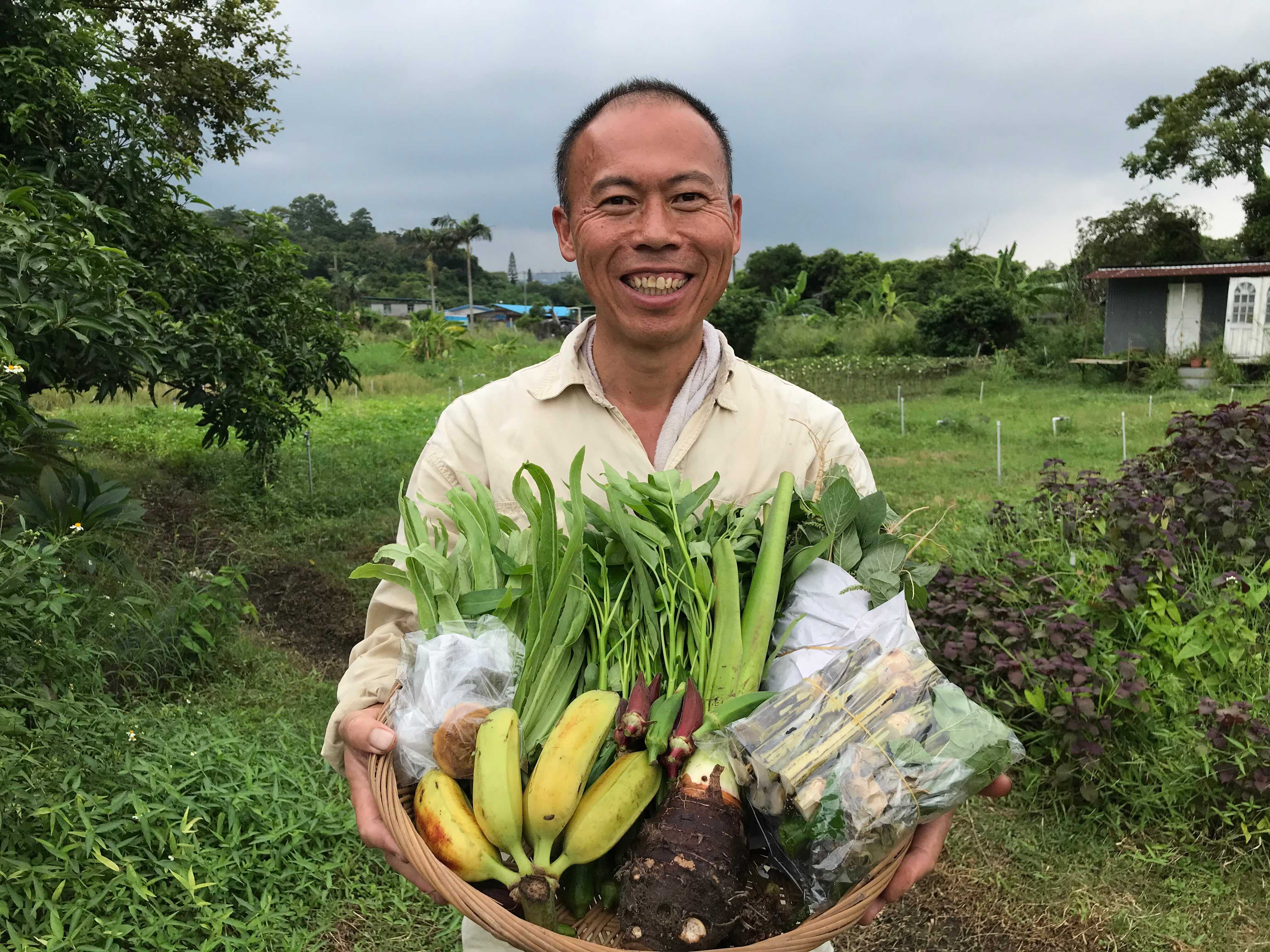
Leung is also a farming enthusiast. He added that the dinners were a way to support local farms.
Wini Tse, one of the 25 participants, said: “The food was cooked in a traditional firewood furnace and prepared by Hakka villagers. Having these two things together makes it a once-in-a-lifetime opportunity for me.”
“If I’ve got some money for travelling, why don’t I try exploring Hong Kong?”
Use the puzzle below to test your knowledge of the vocabulary words in the story.
Sample answers
Read and answer: Chan believes that “good tourism” protects an area’s unique culture. This applies to Hong Kong because people can find value in the city’s quieter countryside, not just the busy urban areas.
Consider: The meals use seasonal ingredients, meaning they are made from what is available at the time. This allows participants to learn more about what foods are eaten during different seasons. The meals will also be served in the ancestral home of one of the villagers.
Stop and think: There is a lot of history in these areas, as they have their own unique cultures that you may not find in Hong Kong’s more urban, Instagrammable spots. (answers may vary)