Difficulty: Challenger (Level 2)
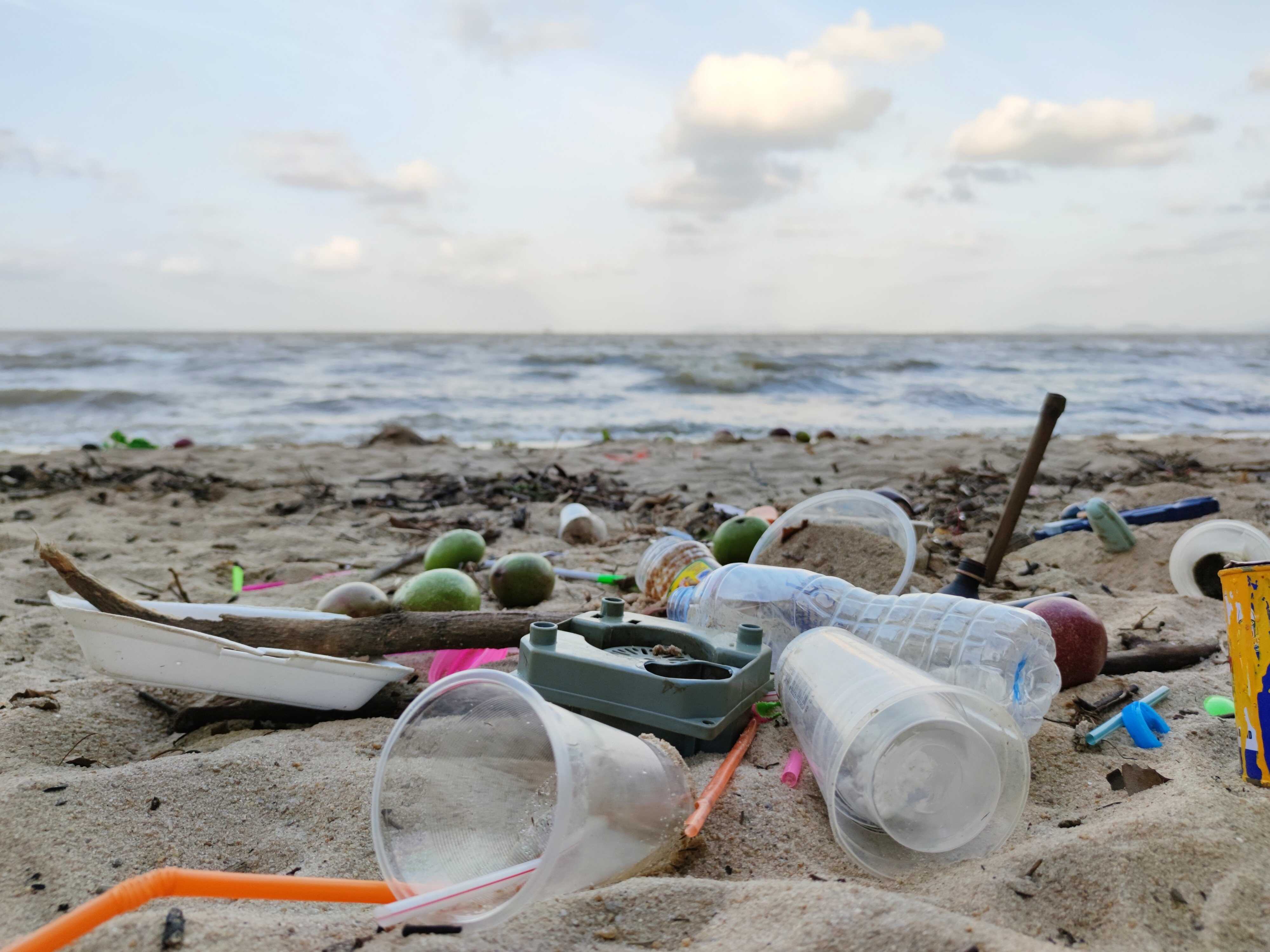
A remote shoreline of Lamma Island had toys, fishing floats, shoes and drinking straws. These are a few of the items that found their way here.
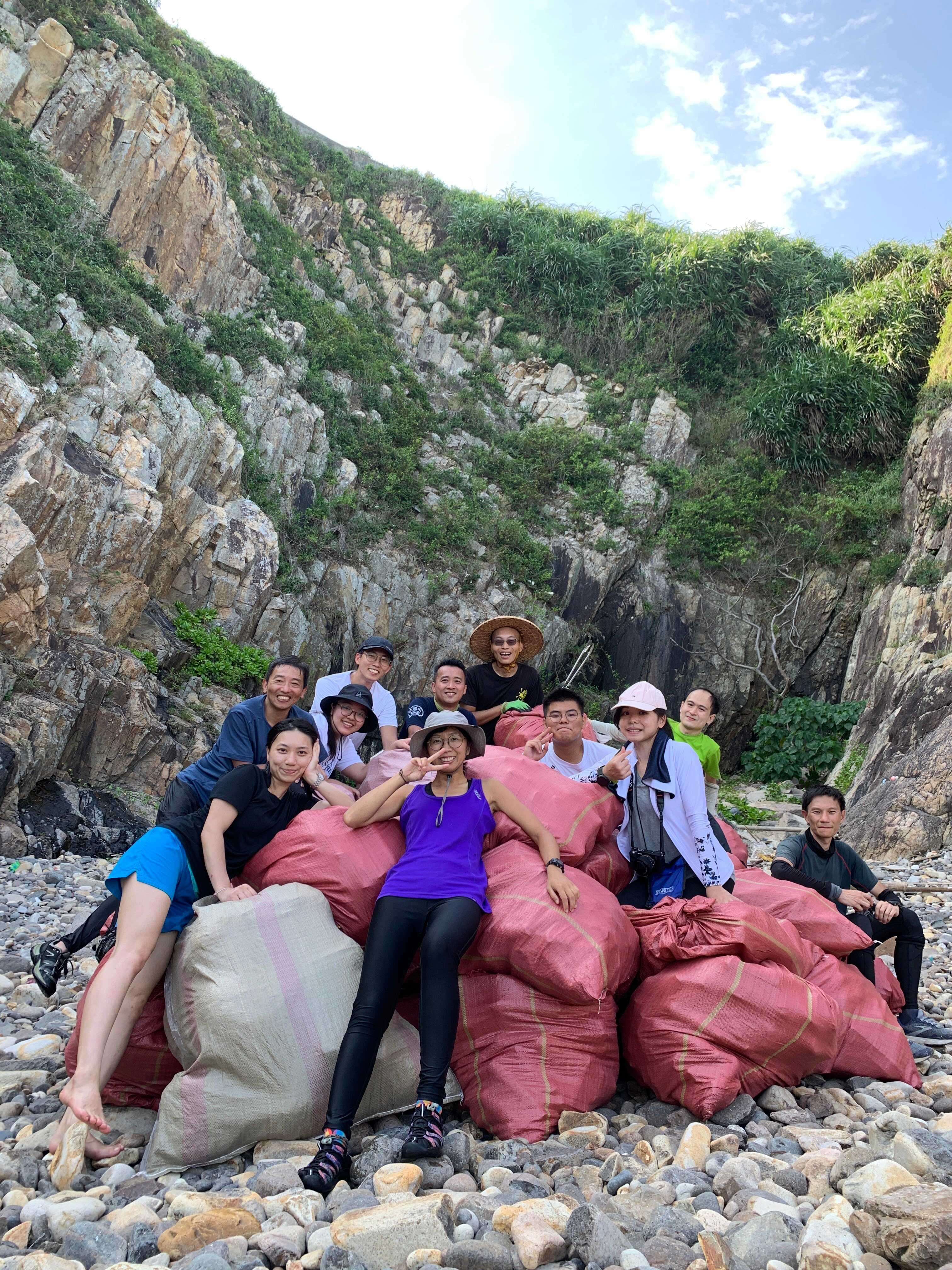
In 30 minutes, six volunteers filled three garbage bags with 8kg of litter.
This is part of the weekly routine for the beach clean-up group, CraSea Cleanupper. Yeung Ting founded the group in 2021 to collect waste in Hong Kong’s secluded waters.
“We target remote areas and places with excessive amounts of rubbish. Beaches near residential areas may have more litter. But there are also more people available to clean up,” Yeung said.
Keep Hong Kong clean
CraSea Cleanupper first began as Yeung’s project on pollution. She teaches about the environment and has been cleaning the city’s beaches for more than a decade.
Yeung first gathered volunteers to clean up the city’s beaches and collect data on waste. Eventually, they formed a group and began doing regular clean-ups on Thursdays to avoid crowds.
Before each meet-up, they look at the satellite view on Google Maps to find rubbish.
“If you notice coastlines with many white specks, those are likely styrofoam, which might show garbage accumulation,” Yeung said.
All the litter collected is sent to the landfill because it cannot be recycled. “Waste that has been soaked in seawater poses a risk of bacterial contamination,” Yeung explained.
Too many plastic bottles
The most common items they come across are plastic bottles: last year, they collected 38,333 bottles weighing 1,294kg. Styrofoam came in second place with an impressive 1.5 tonnes.
“Anything ... can appear on the beach if people have used those items in their daily lives,” Yeung said.
Over the years, Yeung has seen more waste in the city’s environment. This is because people use items that can be thrown away instead of ones that can be reused. “The pace that waste is generated outstrips the speed at which we can clean it up,” she said.
The environmentalist said the city needed to reduce its waste. But recycling is not the best solution.
“Only by reducing the waste we create can we truly lower the chances of these items ending up in the ocean.”
Use the puzzle below to test your knowledge of the vocabulary words in the story.
Suggested answers
-
Before you read: answers will vary
-
Stop and think: The volunteers prioritise remote beaches because there are fewer people there to pick up trash.
-
Consider: This is because items that have been soaked in seawater cannot be recycled. The items risk being contaminated by bacteria.