Difficulty: Challenger (Level 2)
When you enter a classroom, you might see magnets on the board. When you arrive home, there may be some on your refrigerator door.
Have you ever been curious about how they work and why they are important to our lives?
What are magnets?
A magnet is a piece of metal that can pull special kinds of metal to itself. This action produces magnetic force.
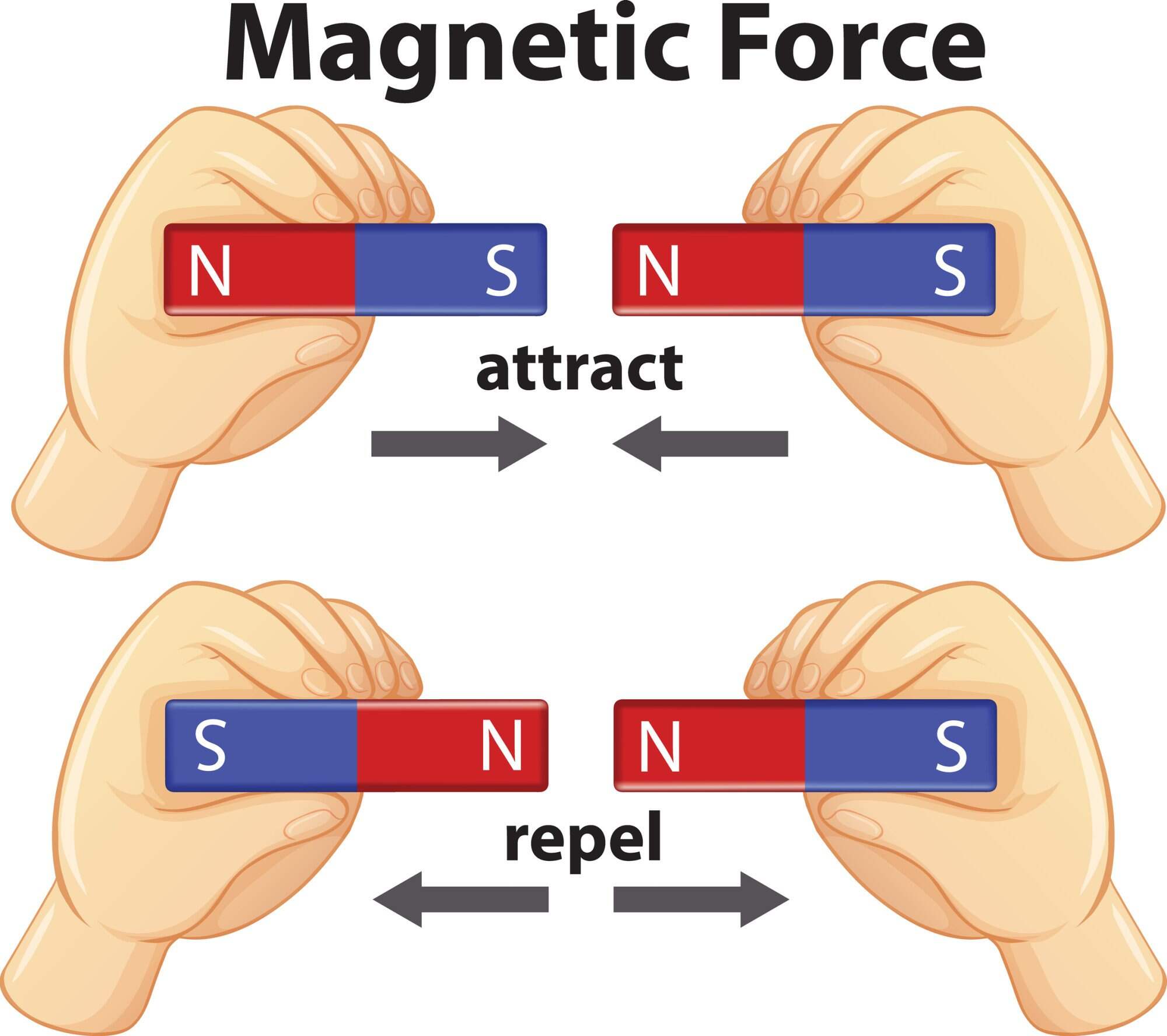
Every magnet has a north and south pole. When the opposite ends (north and south) are put together, they attract each other, but when the same ends are placed side by side, they repel each other.
This attraction is a result of how electrons spin. Electrons are tiny particles within the atoms that make up everything around us. Magnetic force is created when the electrons in the metal spin in the same direction.
Surprising places to find magnets
Aside from attaching paper to a refrigerator, magnets have many uses that you might not even realise.
If people do not want to bother others while listening to music, they use headphones – which actually involve magnetic forces. In the tiny speakers of headphones, a magnet interacts with a special coil to move a cone. This cone causes pressure changes, and this creates sound waves that travel to our ears. Doesn’t that sound pretty cool?
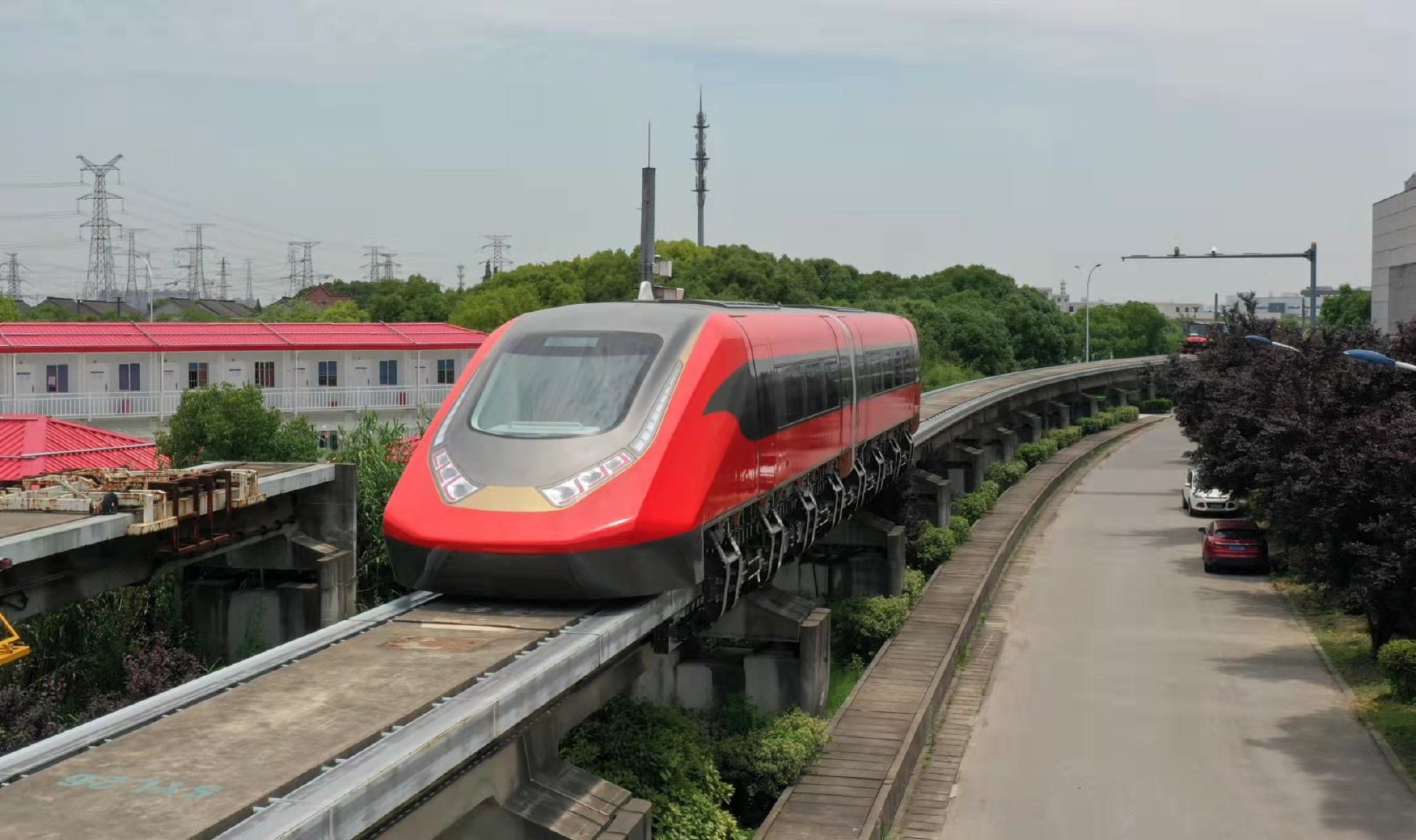
Maglev trains – “maglev” stands for magnetic levitation – are a recent development in transport. Using strong magnets that repel each other, the train is raised slightly above the tracks; this lowers the friction as the train moves, making the journey smoother and quieter. Because there is less friction, maglev trains need less power to run. Only three countries have working maglev trains: China, Japan and South Korea.
From fans to buses and cars, every machine with a motor uses magnets. Working with special coils of wire, magnets transform electrical energy into movement.
Isn’t it amazing how magnets are hidden in so many everyday objects?
Use the puzzle below to test your knowledge of the vocabulary words in the story.
Suggested answers
-
Before you read: When do you see magnets in your daily life? Answers may vary.
-
Stop and think: How are magnets important for maglev trains? Magnetic levitation raises the train above the tracks and allows the train to travel with less friction. It creates a smoother journey and less noise.
-
Consider: Why is it that magnets sometimes stick to each other, but other times, they repel each other? This is because the magnetic fields have opposite ends. When the opposite sides are near each other, they attract, but when the same sides are near each other, it pushes them apart.