Difficulty: Challenger (Level 2)
Imagine working from 7am to 11pm, six days a week, without the freedom to go wherever you want. For Remilyn Joaquin Baviera, this is her reality as a domestic worker in Hong Kong.
Baviera has lived in Hong Kong since 2020. She likes to socialise on her Sundays off. Recently, she has been attending events hosted by Second Home. This is a project that is using art to show the experiences of the city’s migrant workers.
Baviera loves photography, and she studied fine arts at a university in the Philippines. She was excited to join Second Home’s art workshops.
“Exposing yourself to different things will widen your perspective ... Going out somehow opens a different environment that will allow me to be free,” she said.
Engagement and understanding
Tiff Chun, 25, is the main coordinator of Second Home. The project launched in February and ended in August.
Chun wanted the project to highlight migrant workers because she knew they were often misunderstood and treated with contempt.
“I used this opportunity to start a conversation,” she said.
Chun and her small team began by doing street interviews with migrant workers. They uploaded their interviews to Second Home’s Instagram account, which has more than 4,400 followers. Some posts have even gone viral with thousands of likes.
“What our project is tackling is [giving domestic workers] a way to tell their own stories,” Chun said.
“They could be quite lonely and facing anxiety or depression, but maybe they don’t have the resources to deal with those mental issues.”
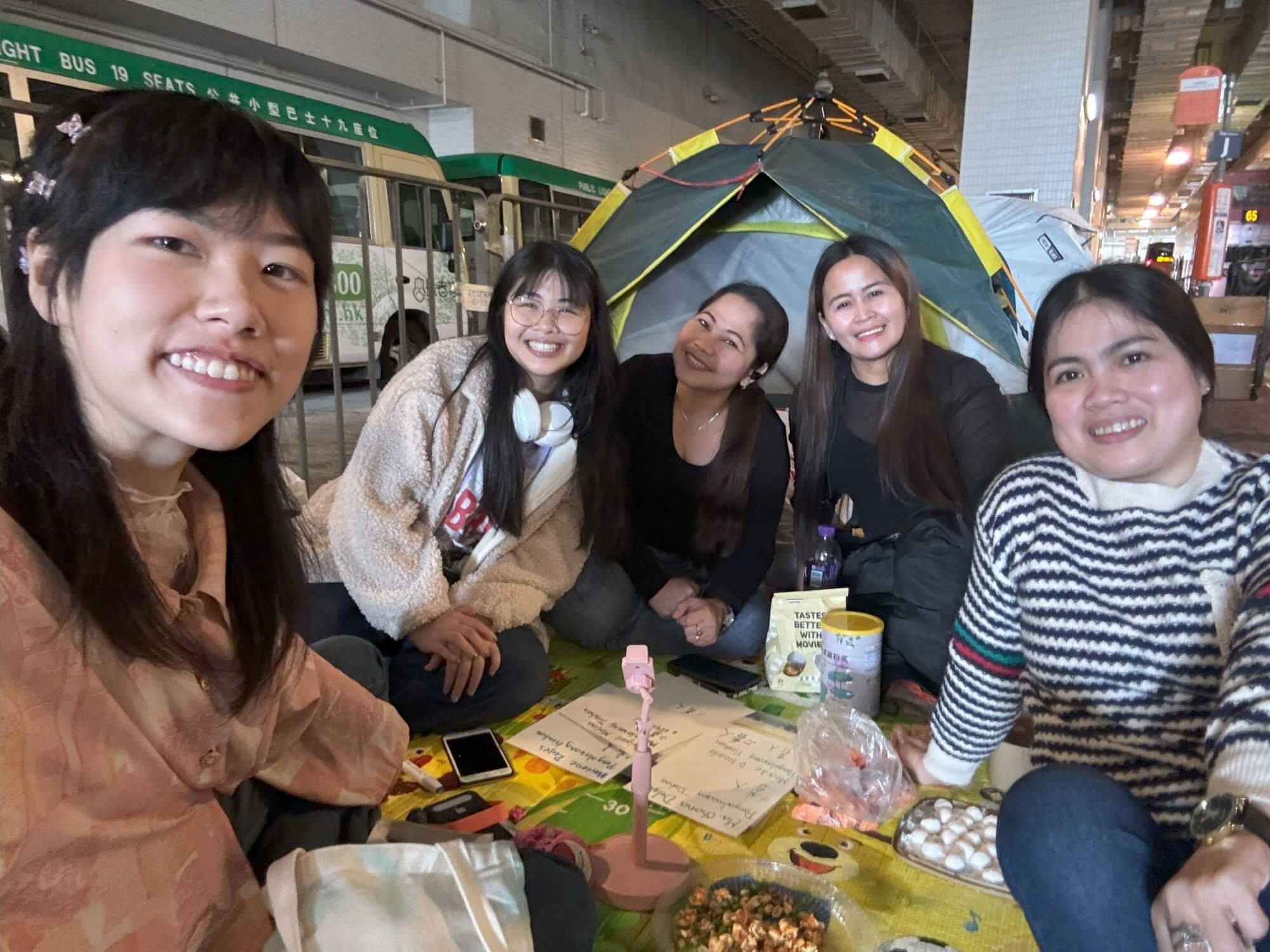
Sharing experiences
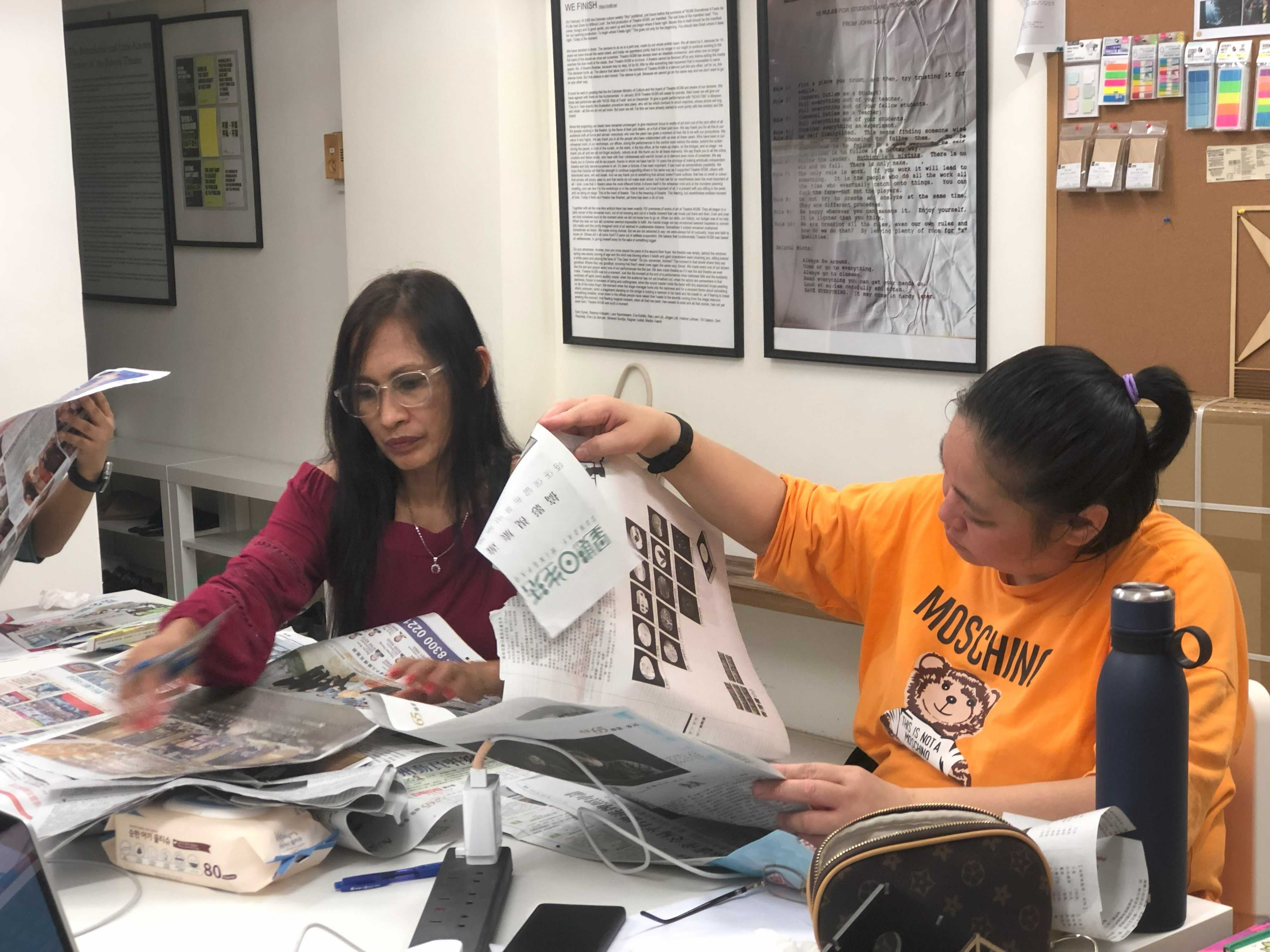
Second Home organised workshops on poetry, sound exploration, crocheting, moving images and more. Domestic workers can attend these sessions for free. Others pay a participation fee.
Thirteen-year-old Sarah* has attended Second Home’s poetry reading and sound explorer workshops. The teen joined after stumbling across the group’s street interviews on Instagram.
“That was really inspiring ... I’m quite passionate about domestic helpers. And I really enjoy talking to strangers, getting to know their stories,” she said.
Sarah described her helper as “one of my biggest inspirations” but noted that many of her peers complained about domestic workers.
“There is racism tied to their perspective,” she said.
Inspired by Second Home, Sarah plans to create an Instagram account featuring interviews with domestic workers at her school.
“[I want to] give them a platform to share their experiences,” she said.
* Name changed at interviewee’s request.
Use the puzzle below to test your knowledge of the vocabulary words in the story.
Suggested answers
-
Think about it: What does Baviera like about Second Home? Because she likes art and photography, she enjoys the opportunities to get new perspectives.
-
Stop and think: Why did Chun start this initiative, and why does she find it important? Chun realised that migrant workers are often misunderstood and can sometimes face anxiety and depression because of their intense work schedules. Therefore, she wanted to tell their stories to the rest of Hong Kong.
-
Consider: How does Sarah’s perspective of domestic helpers differ from her peers’ views? Sarah sees her domestic helper as a big inspiration, and she wants to learn more about the stories of domestic workers. Meanwhile, some of her peers say things that are offensive.