Difficulty: Challenger (Level 2)
Usually, talking about poop is weird because it is smelly and gross. But the faeces of some animals can be interesting – and funny too. Here are five animals with weird toilet habits – from pooping cubes to cooling down with faeces on hot days.
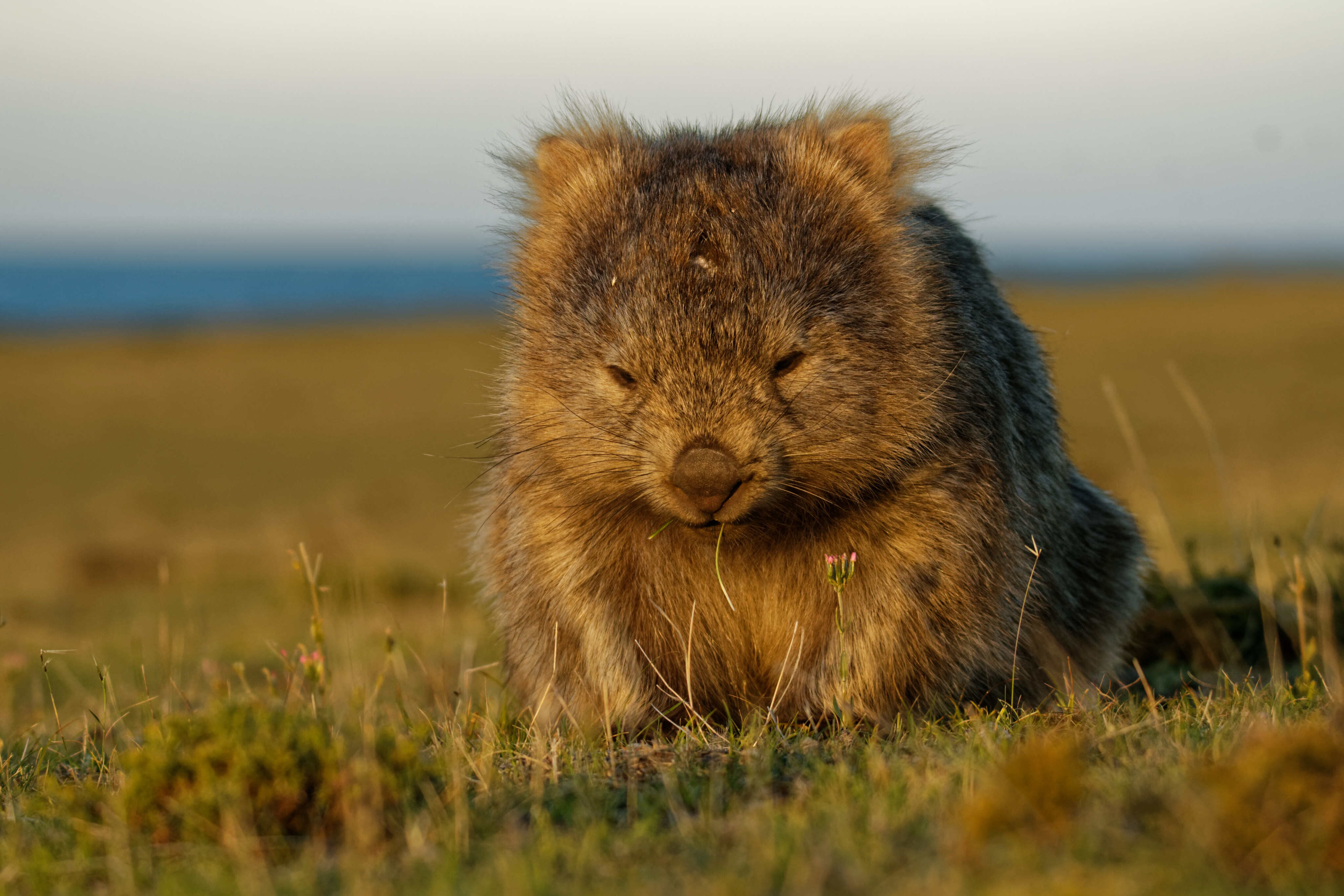
Wombats poop cubes
Wombats are furry mammals from Australia – can you believe they poop cubes? Researchers found that their cube-shaped poop is shaped by their intestines, which slowly contract and mould the corners of the cube.
Wombats take almost four times longer than humans to digest food. Hence, their poop is much drier and holds the cube shape.
Rabbits eat poop
Rabbits have two types of poop – caecotrophs and faecal pellets. Faecal pellets are dry grape-size poop balls. Caecotrophs are even smaller, moist balls that rabbits can eat!
Caecotrophs are filled with nutrients which can actually be good for rabbit health and diet. However, they might overproduce this type of poop if they consume a lot of sugar.
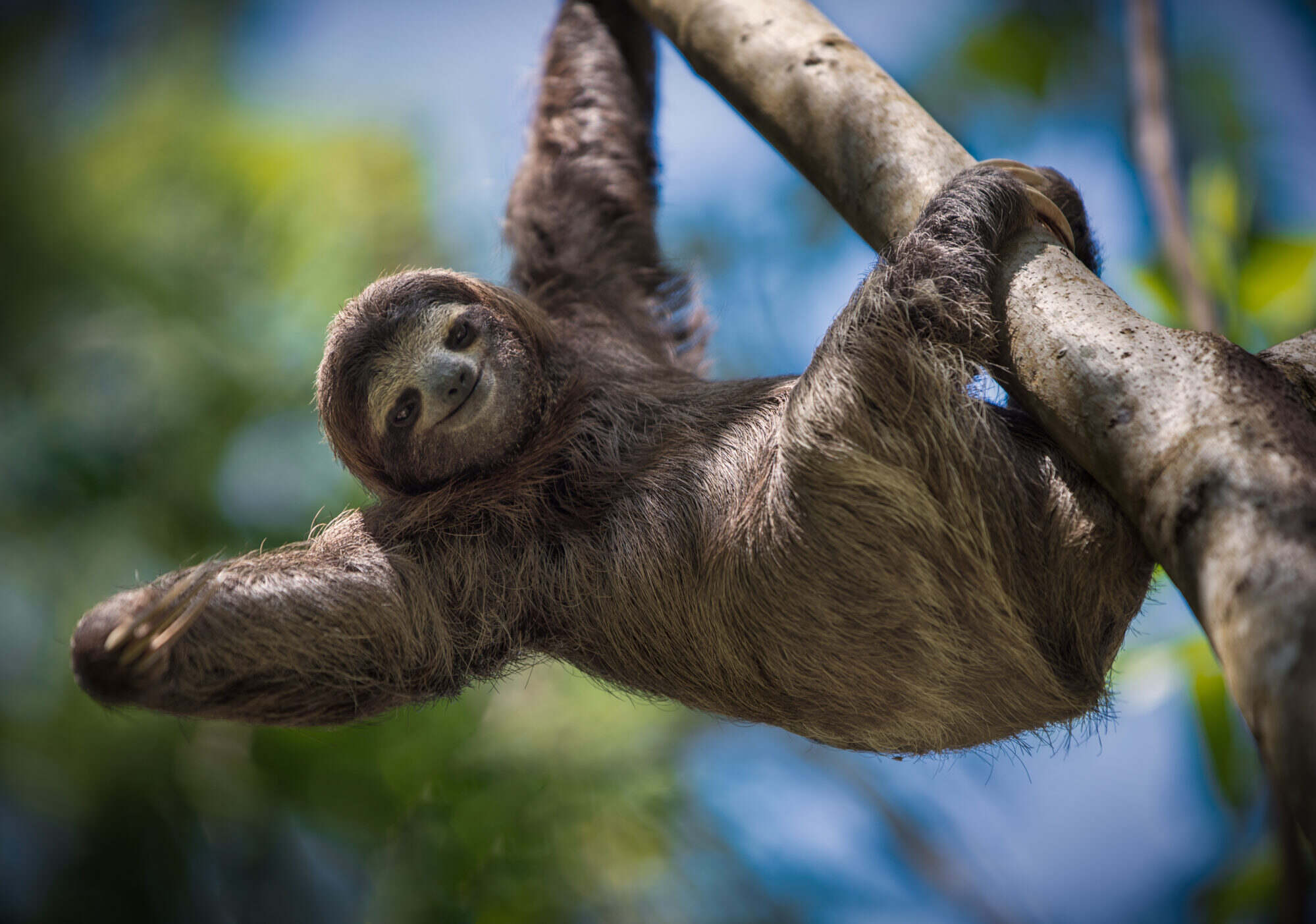
Sloths poop once a week
Sloths are known for being really slow when they move. Their pooping behaviour is no different! Scientists believe that the reason sloths poop once a week is because they want to spend the least amount of time on the ground. They only poop on the ground, but they are vulnerable here. Hence, they try to spend most of their time on a tree to be safe.
Parrot fish poop makes sand
This sea creature’s poop makes the beautiful sand of the famous beaches in the US state of Hawaii.
This is because a parrot fish’s diet includes coral. As their body breaks down the coral, the poop comes out as sand.
Turkey vultures stay cool with poop
This bird species is found in southern North America. They poop a white-coloured liquid. Their poop is very sour, so it can kill germs from the flesh they have eaten. Turkey vultures also poop on their legs to cool down during hot days. Their liquid poop can evaporate and cool down their blood vessels.
Use the puzzle below to test your knowledge of the vocabulary words in the story.
Suggested answers
Before you read: Answers may vary (pooping regularly, poops of good consistency, pain-free poops, limited bloating).
Stop and think: Sloths have to poop on the ground, but being on the ground makes them vulnerable to predators. So, they stay in the trees most of the time and only come down to do their business. This keeps them safe.
Consider: Turkey vultures will poop on their feet to kill germs and clean their feet since their poop has good bacteria in it. Their poop also cools down their bodies and blood vessels, so they tend to put their poop on their bodies when it’s hot.