Difficulty: Summiteer (Level 3)
Can you imagine Happy Valley as a muddy swamp? A long time ago, it was known as Wong Nai Chung Valley, which translates to “yellow mud stream”. It had no racecourse, and it was not a nice area to live.
Happy Valley’s history
In the early 1840s, the British established a military camp in the area when its army arrived in the city. But the camp closed due to the swampy conditions and outbreaks of illnesses like malaria. The British also dropped their plans to build a business area there and shifted their focus to the Central and Western district.
Instead of a bustling city centre, the British turned the valley into a burial ground. The area was renamed Happy Valley, a common expression for cemeteries.
By 1845, the British decided to create a horse racing venue in the area, which would become the Happy Valley Racecourse. Building this in a swamp was no easy task. They had to drain the land and level the ground to create a suitable track. After much hard work, the racecourse was finally completed.
Today, Happy Valley is a vibrant neighbourhood with a rich history. The transformation from a muddy swamp to a thriving neighbourhood is truly remarkable.

A neighbourhood’s story
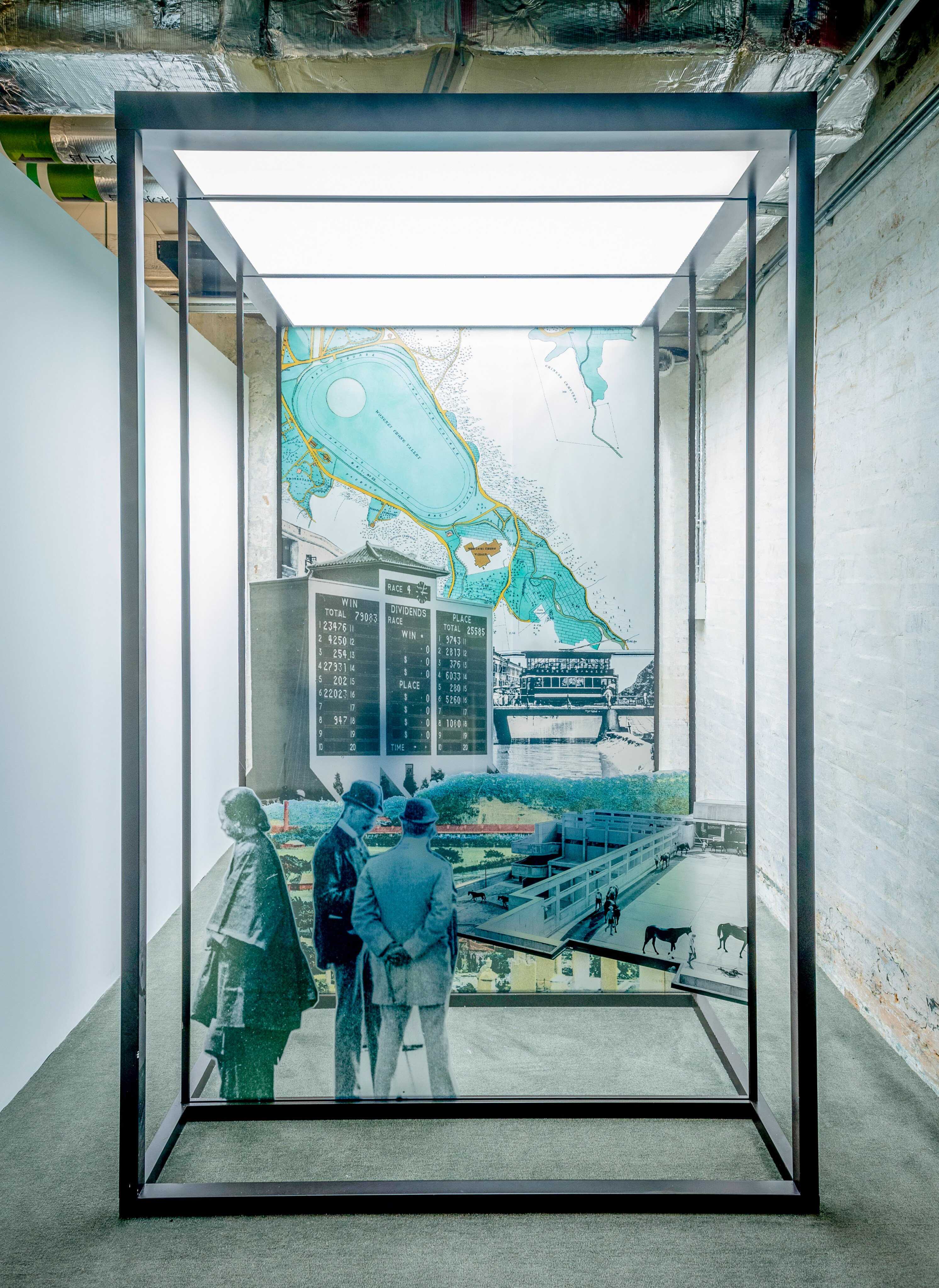
An exhibition at Tai Kwun, called “Happy Valley: A Cultural Landscape”, is showing how the neighbourhood changed over time.
The exhibition runs until February 23. It also highlights the relationship between people and the environment.
Dr Anita Chung, head of heritage at Tai Kwun and curator of the exhibition, said: “How the valley has transformed into a home for sports clubs and upper-income residents is an interesting part of the city’s history.”
Chung said the exhibition showed “forgotten stories” and offered a different way to look at the history of the area.
“By understanding the past, we can shape a better future,” she said.
Happy Valley is home to a huge underground reservoir, equal in size to 24 standard swimming pools, which is designed to prevent floods.
Happy Valley also features many cemeteries representing various religions. Each cemetery has its own style, reflecting the city’s diversity.
Modern-day Happy Valley still has plenty of surprises.
Use the puzzle below to test your knowledge of the vocabulary words in the story.
Suggested answers
-
Stop and think: Do you know the history of your neighbourhood? How has it changed over time? Answers will vary.
-
How has Happy Valley changed over time?
-
Originally, the area that is now Happy Valley was once a swamp. After the British came, they changed it into a graveyard. Eventually, they transformed it into a racetrack.
-
Why didn’t the British keep their military camp in Happy Valley?
-
The swampy conditions led to outbreaks of illnesses like malaria.