Difficulty: Summiteer (Level 3)
Eight years ago, Sophie Yeung moved from Hong Kong to Melbourne with her two-year-old daughter. But the young parent struggled to find books that taught Cantonese nursery rhymes for bilingual learners.
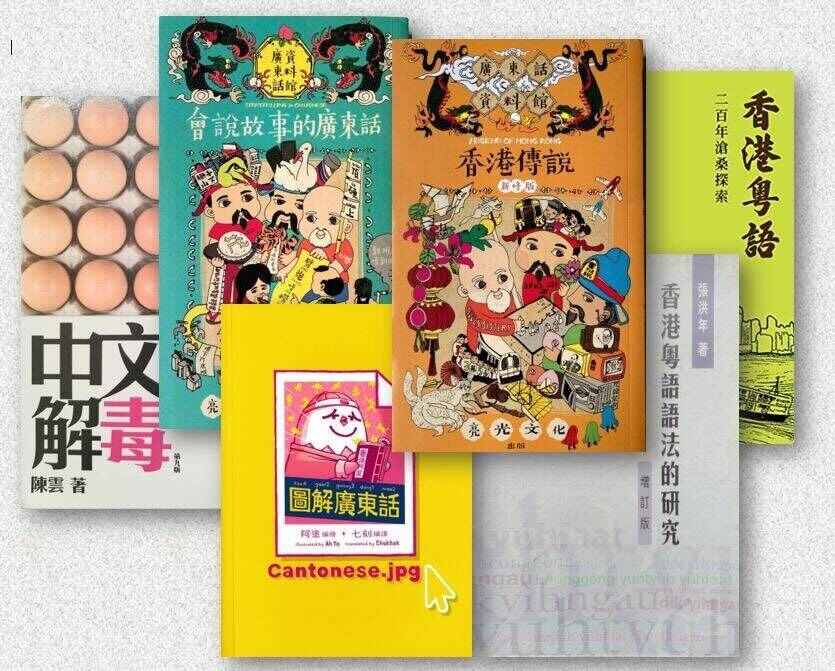
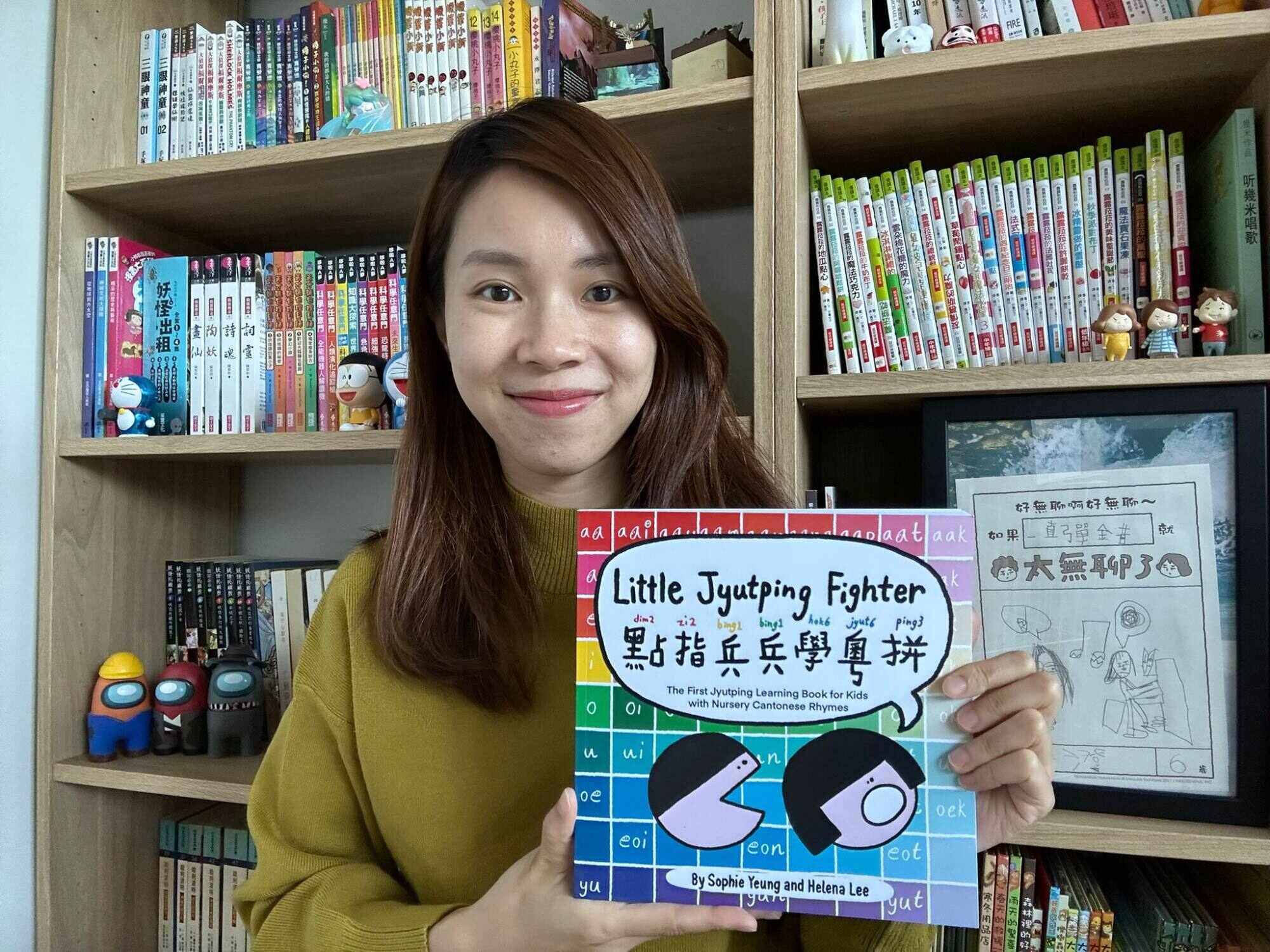
Yeung decided to make her own book: Little Jyutping Fighter. Released last August, it is one of the first children’s books to teach Cantonese nursery rhymes with Jyutping. Jyutping uses the Roman alphabet to write Cantonese words, making it easier to learn the tones and pronunciation.
“There are many children overseas, or their parents, who aren’t fluent in Cantonese,” the 35-year-old said.
“I thought it would be great to have a book that helps children understand the six tones and the basics of the language.”
Yeung is part of a growing group of mothers from Hong Kong who are making tools to help children learn Cantonese in English-speaking countries.
Why this book is special
Cantonese, spoken by over 55 million people, is China’s second most popular language, rich with unique phrases. Yet, immigrant children often struggle to continue speaking it when everyone around them speaks mostly English.
“At school, they learn English vocabulary, but home conversations in Cantonese stay shallow – about food or plans,” Yeung noted. “For complex ideas, they switch to English.”
Her book has earned praise from parents. Its charm deepened as her daughter illustrated it.
“After I wrote a story, I’d ask her to sketch it in a funny or interesting way,” Yeung said. “She was so happy and proud of her work.”
Cantonese in Ireland
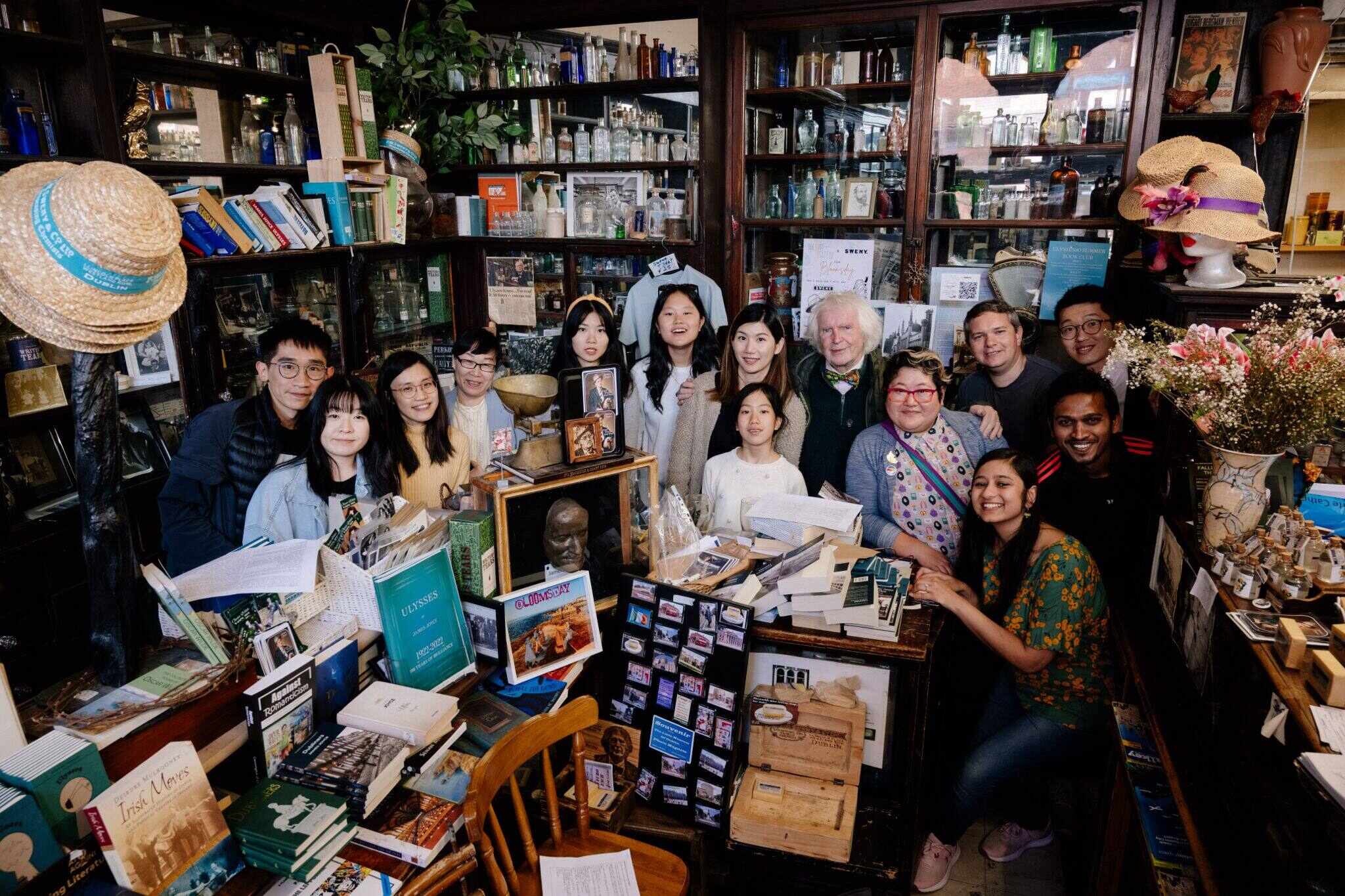
Three years ago, three mothers from Hong Kong started a group: Cantonese in Ireland. They organise activities to promote Cantonese language and culture while helping immigrants settle in Ireland.
“We obviously were worried about our kids [and] the continuity of Cantonese language in their lives,” said 46-year-old Alice Chau Ginguene, one of the group’s co-founders.
The group has hosted about 100 cultural activities, such as Cantonese reading events, film meet-ups and walking tours.
Peg Chiu is another of the group’s co-founders. She is passionate about sharing Hong Kong’s heritage with the next generation.
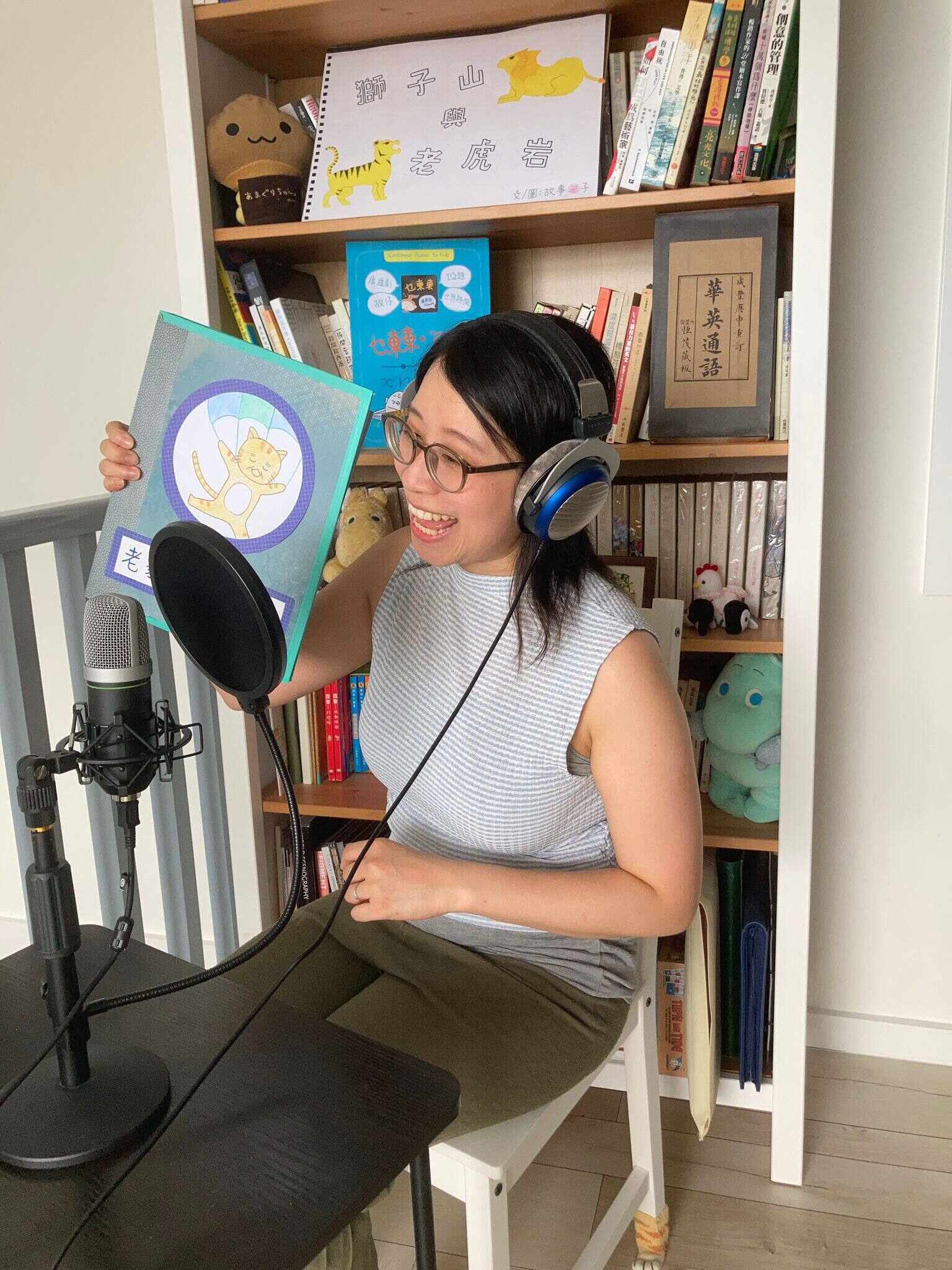
Last March, she released an illustrated Cantonese children’s book, The Tiger Under the Flyover. The story is inspired by “villain hitting”, a ritual to keep bad people away.
“It’s such a rich story – one that reflects the essence of Hong Kong and its people,” Chiu shared.
For many immigrant mothers from Hong Kong, Cantonese represents their identity. “Cantonese isn’t just about speaking; it’s yum cha, kung fu, Wing Chun, mahjong, and all the traditions that come with it,” Chau said.
“Without your culture, you lose who you are.”
Use the puzzle below to test your knowledge of the vocabulary words in the story.
Suggested answers
Think about it: This book aims to help Hong Kong children living overseas learn Cantonese through nursery rhymes. Children can learn tones through the Roman characters to help them stay rooted to their culture and mother tongue.
Stop and think: The group hosts cultural activities for immigrant children to better understand their language and culture. These activities include Cantonese reading events, film meet-ups and walking tours.
Answer this: She noticed that many immigrant children will switch to English to explain complex ideas and only speak Cantonese when the topic is not too difficult. She also feels that language is part of one’s cultural identity, so it is important to maintain.