Difficulty: Summiteer (Level 3)
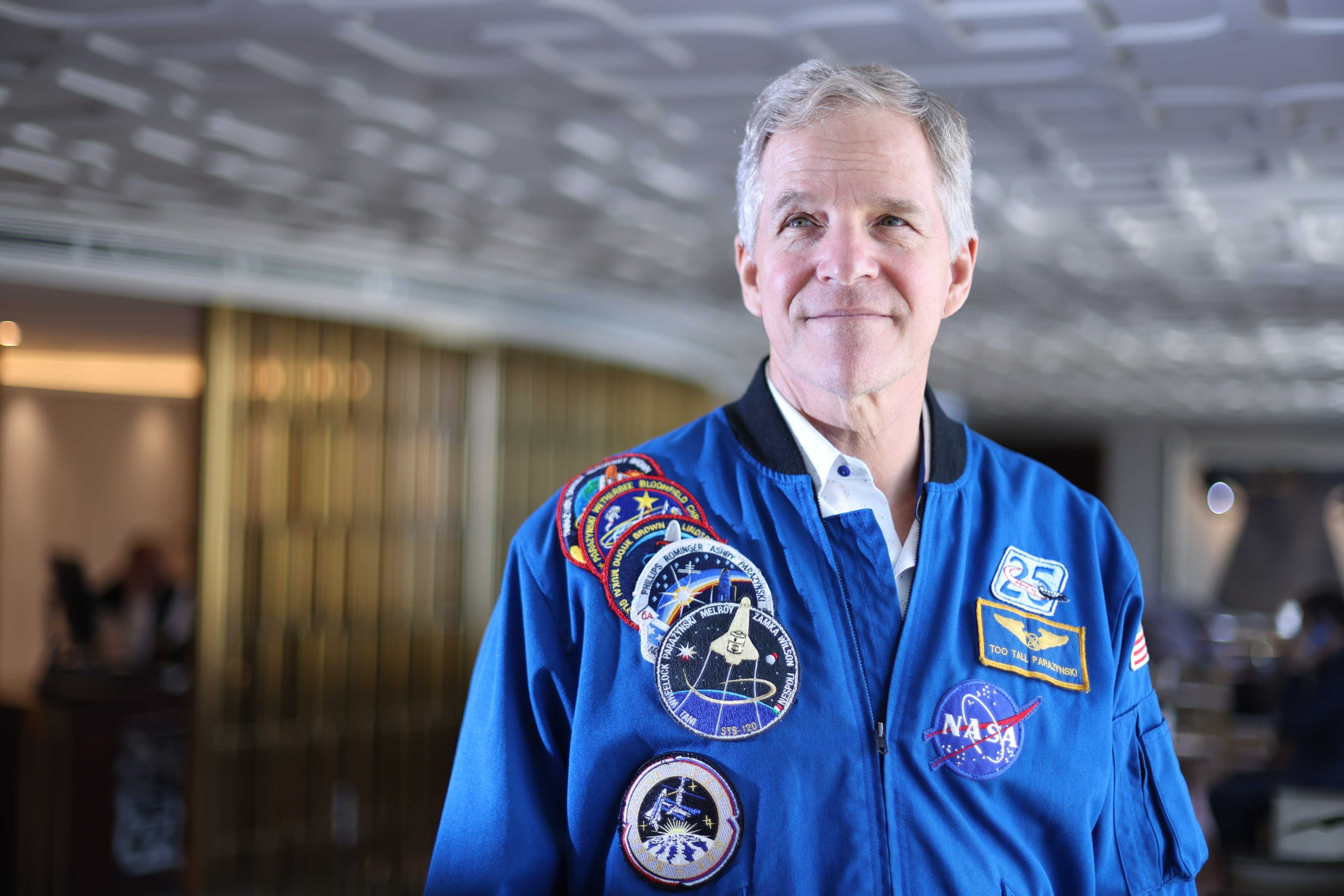
Do astronauts drink their urine in space? Yes, says former American astronaut Scott Parazynski, explaining that the urine is purified so it becomes water that is safe to drink.
Parazynski, 63, said he was impressed with questions like this one, asked by students he met while in Hong Kong in April.
During his visit, Parazynski said he enjoyed speaking to hundreds of the city’s students about his experiences. He wanted to inspire young people to work towards their dreams.
“As a kid, I had the opportunity to have some great mentors,” he said. “I’m so appreciative of the people ... [who] didn’t dissuade me from having this crazy dream of [going to space].”
Life in space
Ever since he was a child, Parazynski had dreamed of being an astronaut, as his father helped build the rockets that sent the first astronauts to the moon.
“Every kid on the block wanted to become an astronaut in those days,” Parazynski recalled.
In his career with Nasa, the US space agency, he went to space five times.
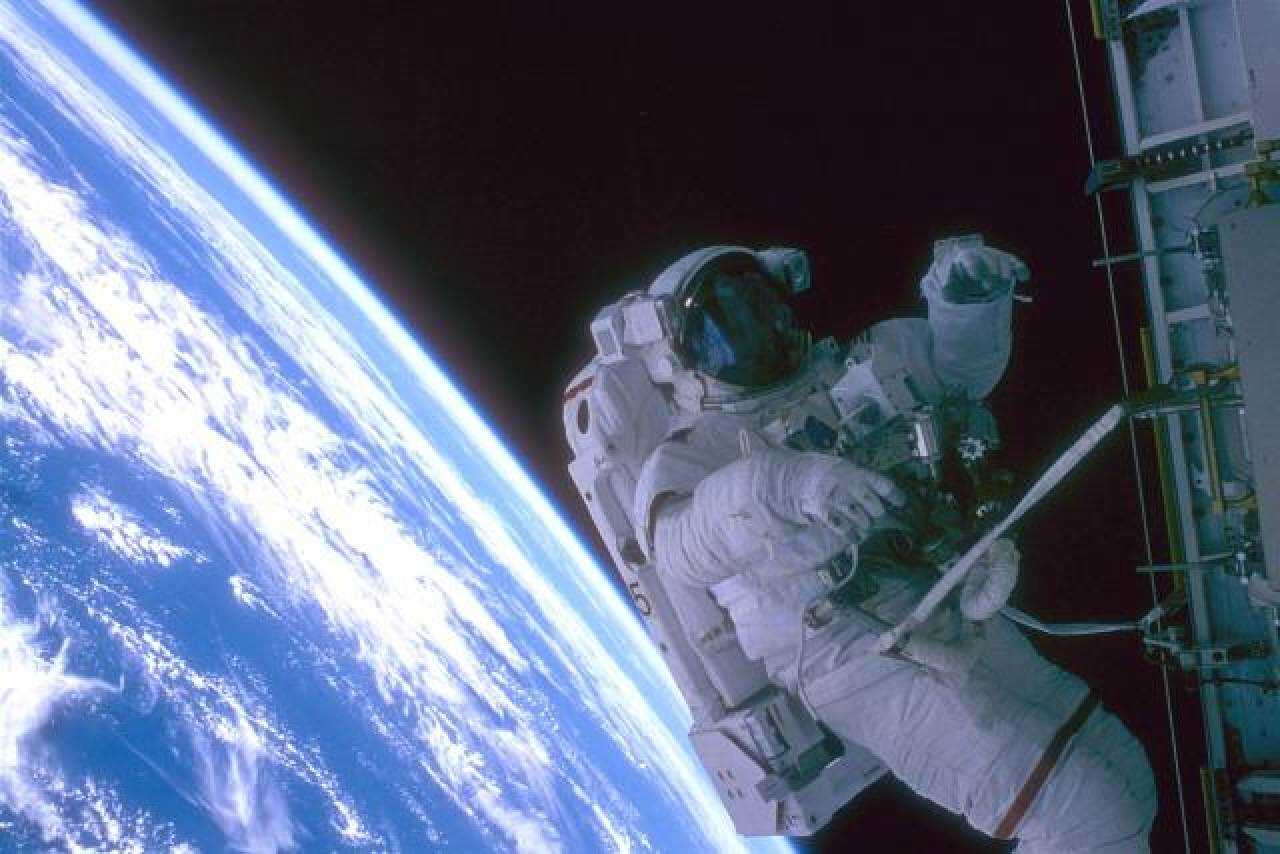
Whenever he was on a mission, he would take every chance to stare at the stars, the moon and his home planet.
“The rarity of just having this view out the window, being able to see your planet ... it’s life-changing,” he said.
Lows and highs of his career
While he loved being in space, Parazynski noted the dangers of this profession, which could take a toll not only on the astronauts but also on the families they left behind.
In 2003, the STS-107 Columbia crashed, killing all seven crew members.
At the time, Parazynski was supporting the crew’s family. He called it “one of the worst days of my life”.
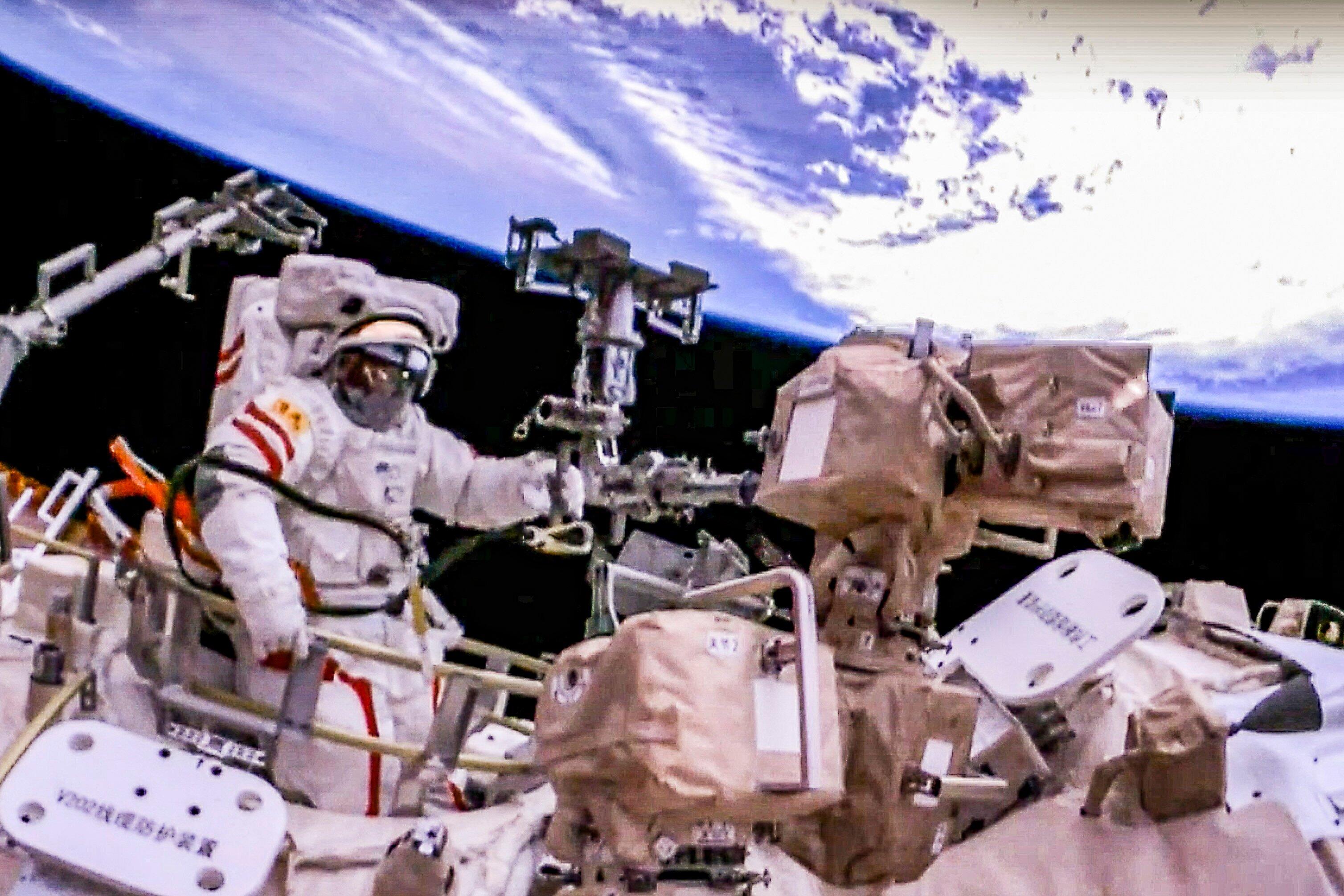
But after deciding to continue his work, he ended his career on a high note when, on his last mission in 2007, he successfully fixed a solar panel. To do this, he had to leave the ship wearing only a spacesuit to protect him.
“It was a very challenging spacewalk,” he said. “We were successfully able to stitch it back together. So that was, by far, the high point of my career.”
After this, Parazynski retired.
Still, he continued reaching new heights, summiting Mount Everest in 2009. In 2016, he was admitted to the United States Astronaut Hall of Fame. For the past few years, he has been using his knowledge to develop more eco-friendly technology for space travel.
What’s next?
Looking forward, Parazynski said he was excited for the future of space travel in which scientists work to identify life outside our solar system and everyday people might be able to one day journey outside Earth.
While current space missions mostly recruit STEM experts, Parazynski believes these opportunities might be broader for the next generation.
“We’re going to be colonising Mars [one day], and so we’re going to need people from all walks of life,” he said.
“We’re going to need journalists. We’re going to need lawyers. We’re going to need teachers and artists and musicians ... There’s a place for everyone.”