Difficulty: Summiteer (Level 3)
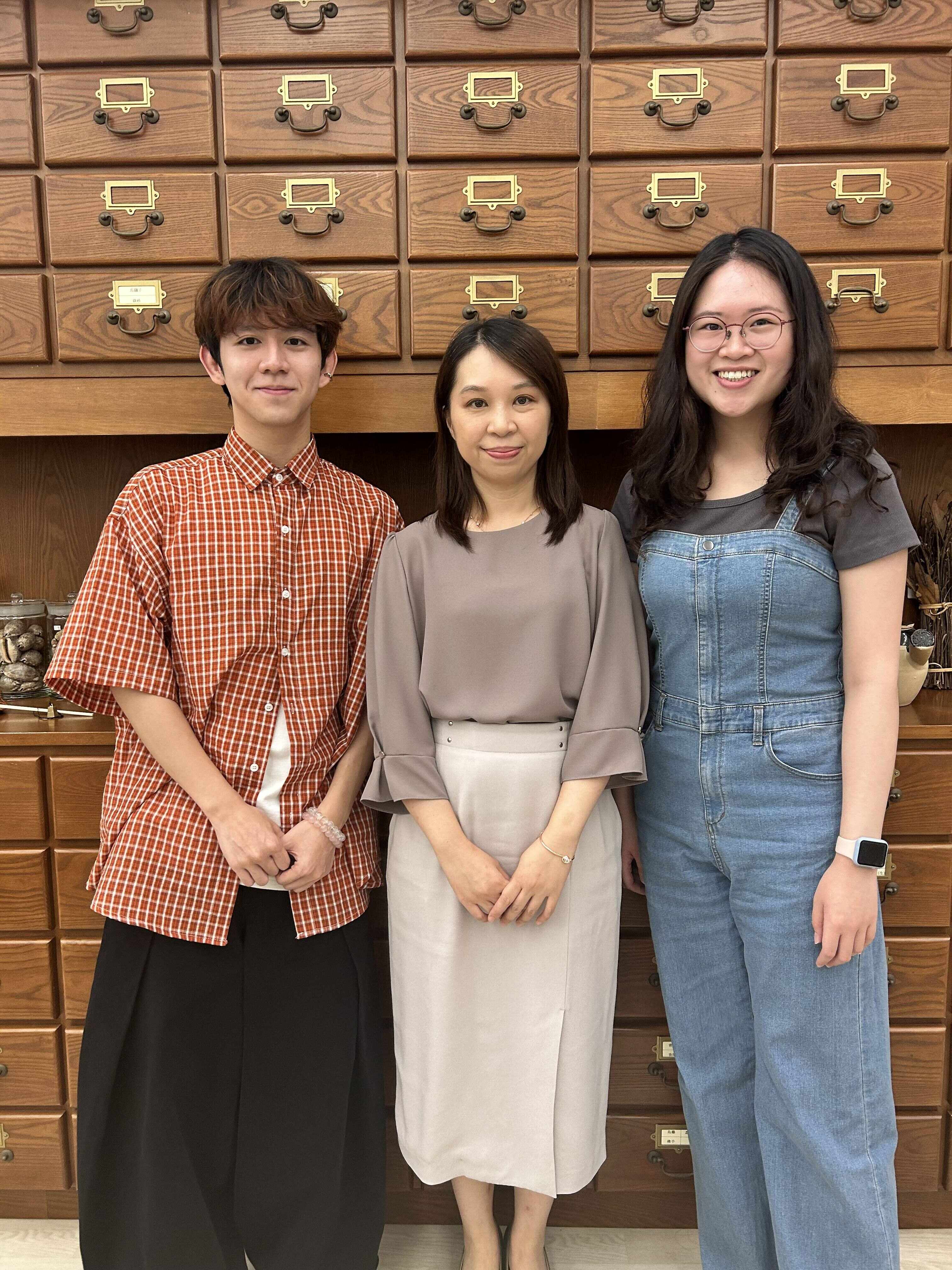
As soon as 21-year-old Kingsley Ho Chun-ngai wakes up, he does an “acupoint” massage between his eyebrows and behind his ears.
This is intended to stimulate the body’s life energy, known as qi, to relax muscles and reduce stress.
Meanwhile, 22-year-old Angel Li Sun-yi uses acupuncture to manage stomach aches and even nervousness.
“I can apply acupuncture because it’s so quick and convenient ... [Stimulating] one point can affect our body,” Li said.
Both Ho and Li adopted these habits as Chinese University of Hong Kong (CUHK) students enrolled in the Chinese medicine programme - an ancient field of study that has recently experienced a growth in popularity.
New interest in old methods
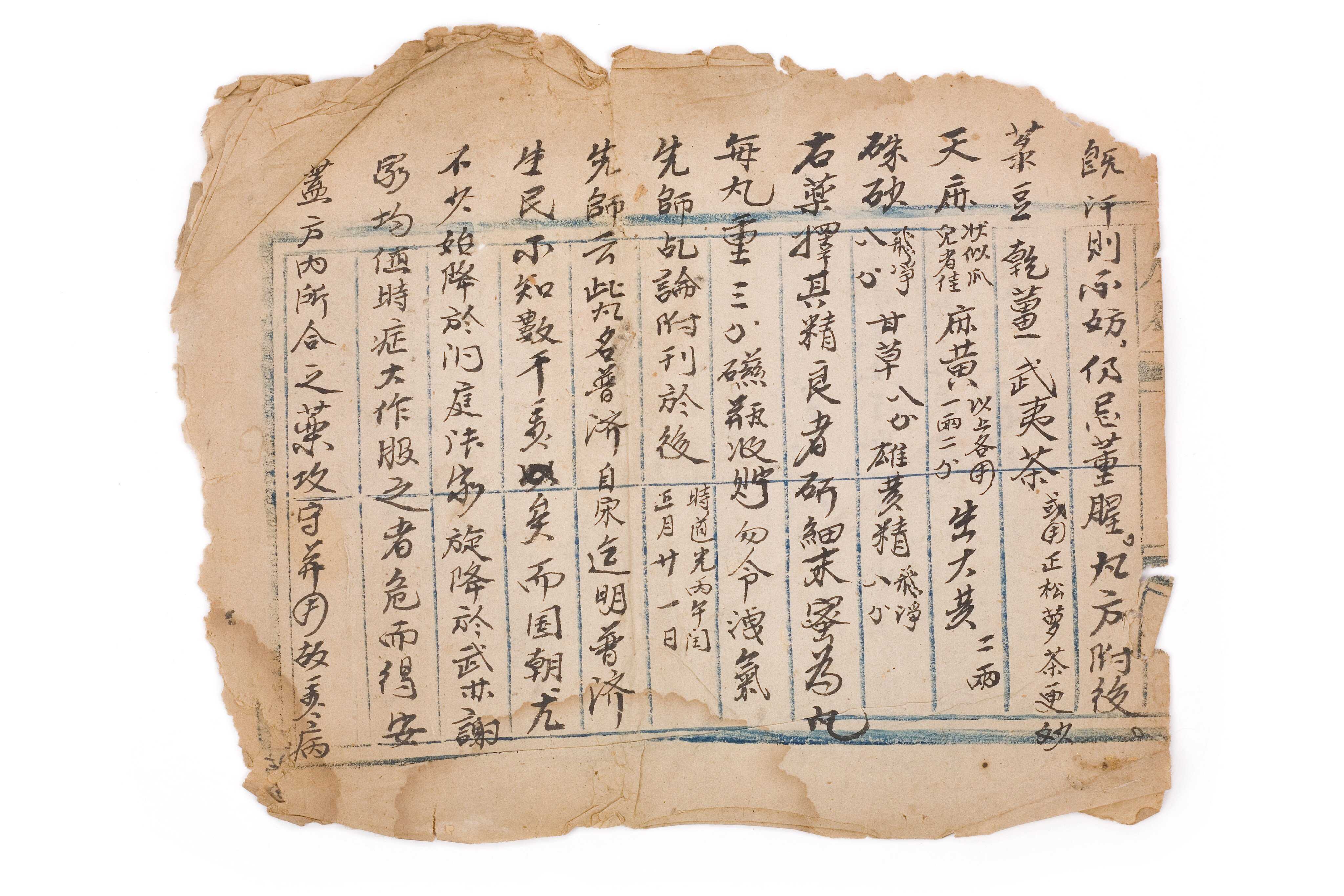
Traditional Chinese medicine dates back around 2,000 years. It uses practices like acupuncture, massage and herbal medicine to take care of people’s health.
According to Dr Sarah Chan Sze-nga, the programme director of CUHK’s bachelor of Chinese medicine programme, Hong Kong has seen a recent rise in interest in traditional Chinese medicine.
Chan credited this to the Covid-19 pandemic because health was at the forefront of people’s minds during this time. Many were curious about trying Chinese medicine for the first time.
Chan pointed out that people were especially interested in treating long-term symptoms from a Covid infection.
“After a Covid [infection], they had some tiredness; they had some fatigue ... Western medicine cannot treat these symptoms, so they would go to Chinese medicine,” she explained.
The next generation
Over the years, Chinese medicine programmes in Hong Kong have adapted to the times, training students to work with Western medicine.
“We cannot only know ... the traditional skills. We also need basic knowledge about Western medicine and the modern methods to diagnose the disease,” Chan said.
For instance, one course in CUHK’s Chinese medicine programme teaches students about lab tests and radiology.
“For Western medicine, they have many skills to diagnose [diseases], like radiology, X-rays and lab tests ... They have surgical treatments – that is [their] strength,” Chan explained.
“But for Chinese medicine, we also have our strengths,” Chan added, explaining that patients with issues that cannot be diagnosed using Western methods might find relief through traditional Chinese medicine.
Li said that many Chinese medicine practices are easy to add to your routine and can help you maintain your health.
“The earlier you start, the greater the returns,” she said, suggesting students try drinking tea or listening to music. “It’s very easy to apply in your daily life.”