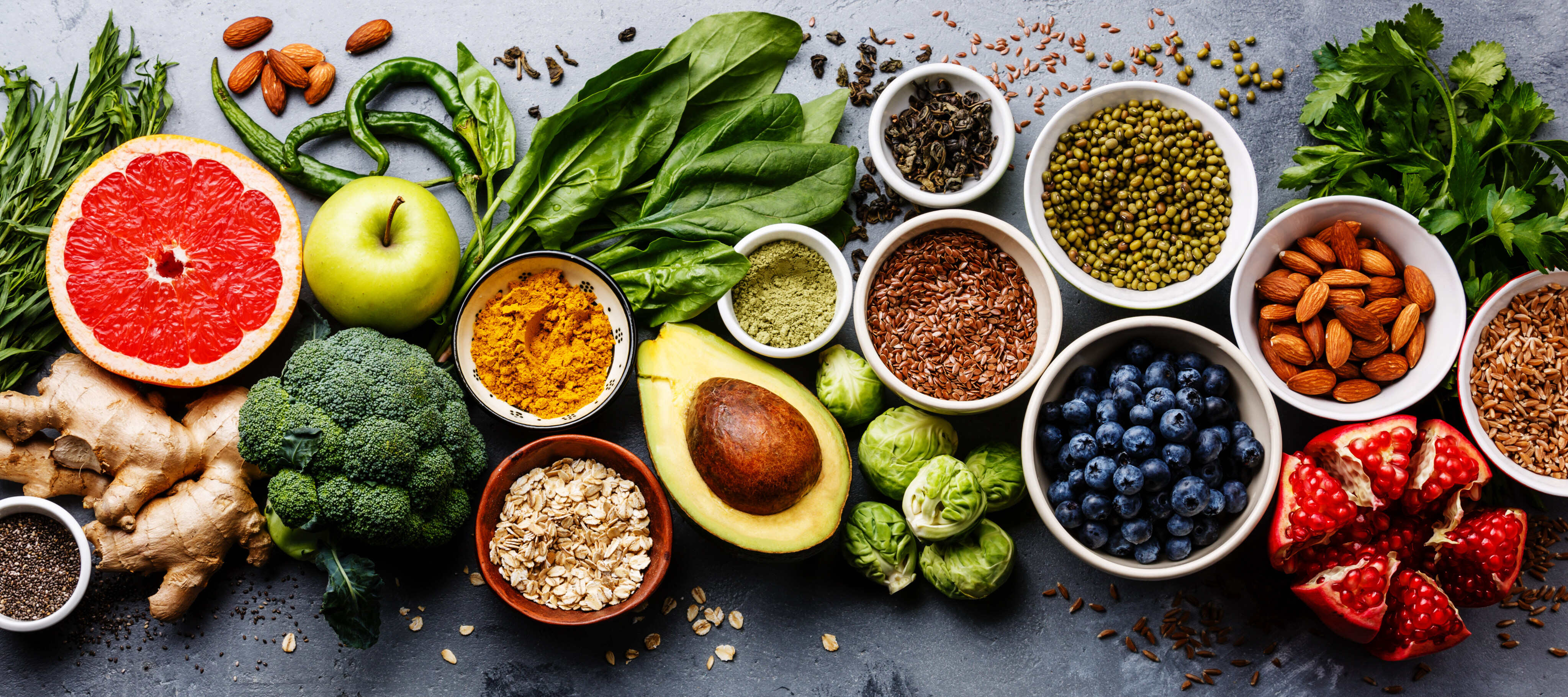
Many people find traditional Chinese medicine (TCM) to be mysterious. But it usually comes down to one word: balance.
TCM puts food into categories such as “hot”, “damp”, “cold” and “dry”. It is important to have a balance of each type of food. Each person’s body also responds differently to these categories.
Certain food pairings can make it harder for the body to keep a balance – not doing so can make us sick. Here are two combinations to avoid.
Watermelon and green beans (mung beans)
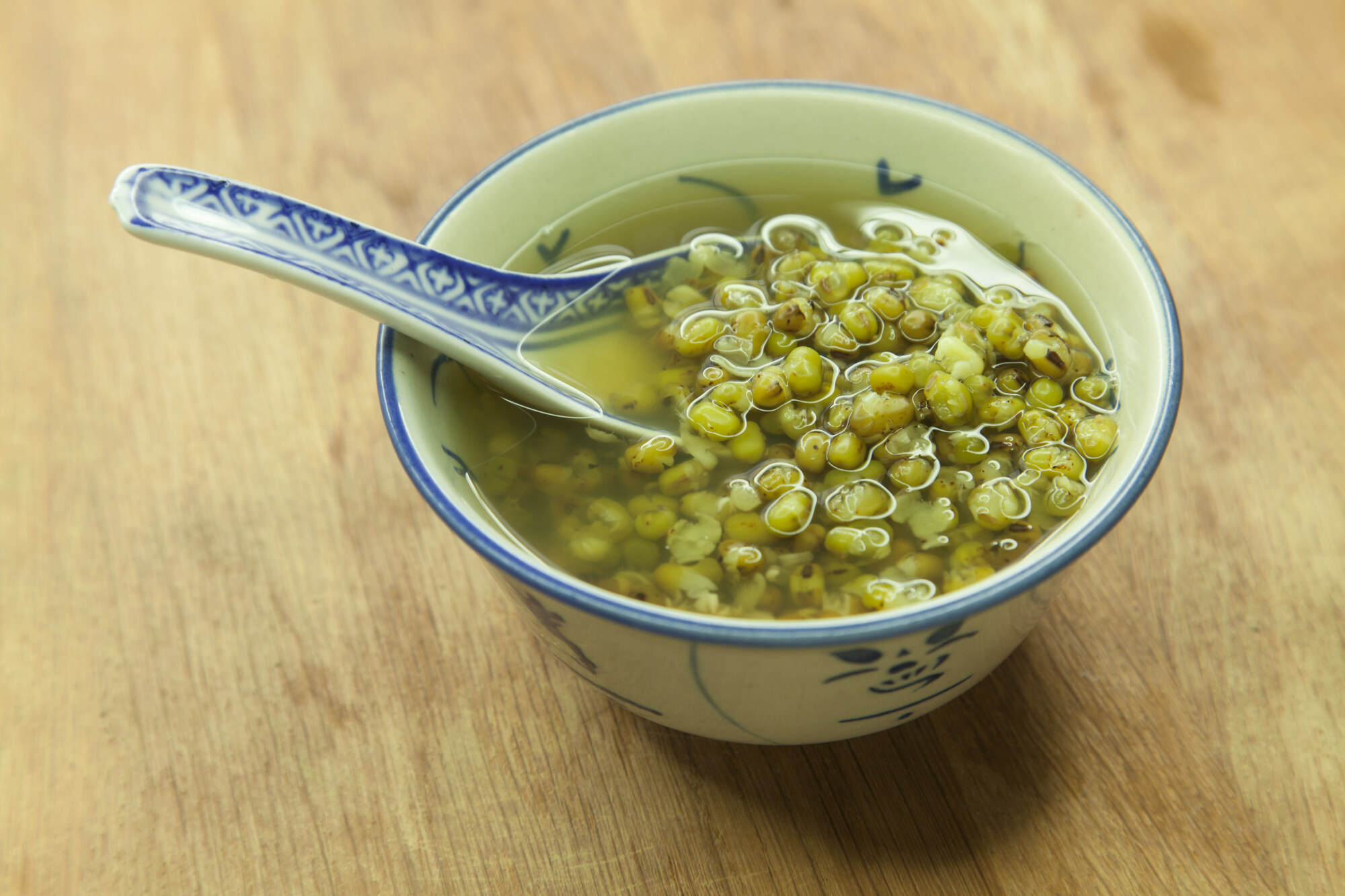
Watermelon might be refreshing for summer, but don’t eat it with green bean dessert soup – also called mung bean – if you often feel cold and tired.
Both watermelon and green bean soup are considered “cold” in TCM. Eating them together can make you feel too cold and cause stomach problems.
Mango and shellfish
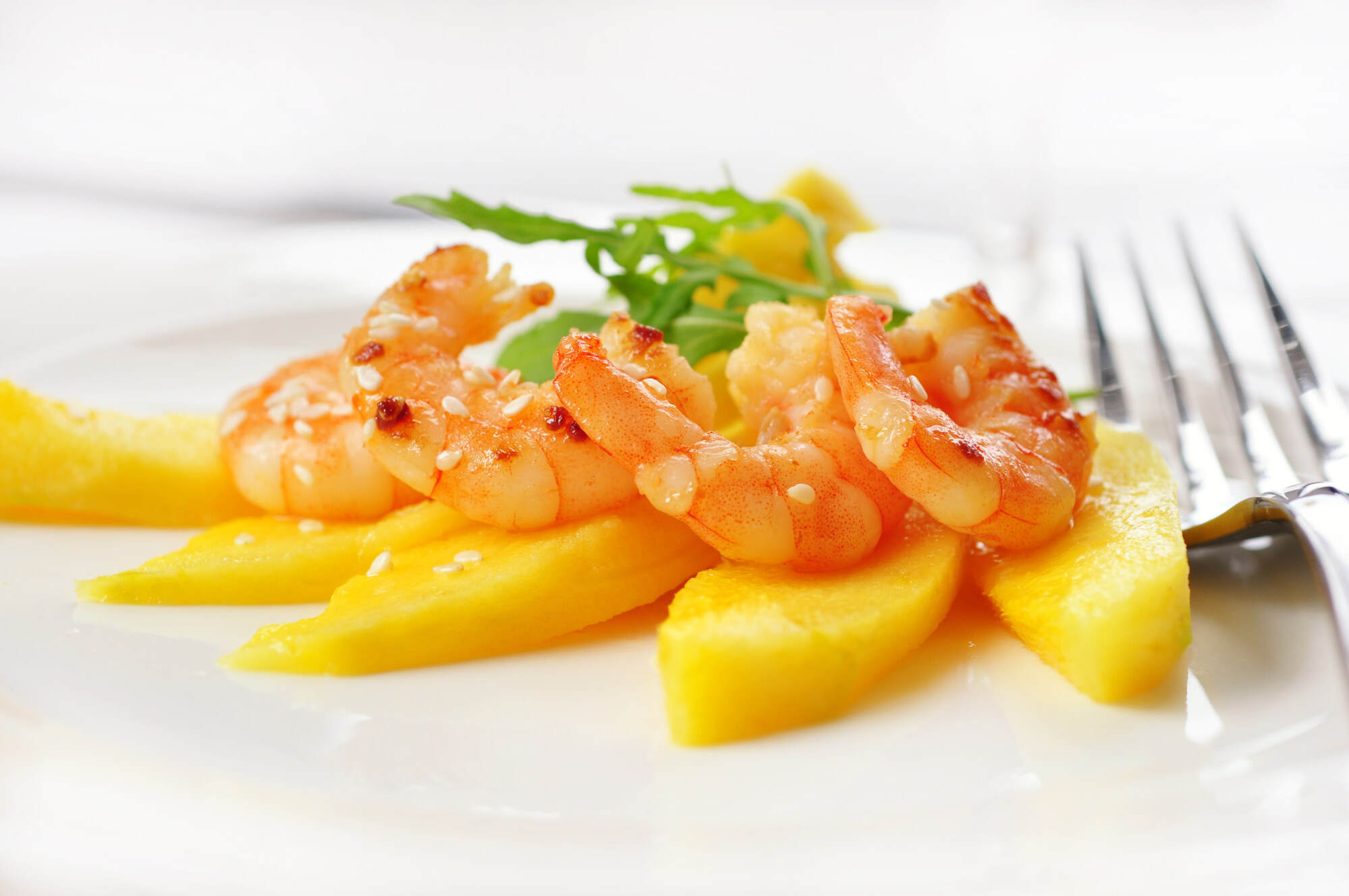
People with dry tongues, sweaty palms or skin conditions should not eat mango and shellfish together because it can make their skin itchy.
According to TCM practitioner Novena Xie, mango is a “hot” and “damp” food, and shellfish is “damp”.
“People with allergic skin conditions should avoid this food combination because it will greatly increase the dampness in the body and [make their skin break out],” she explained.
What if I eat the wrong food?
According to Xie, people who have a stomachache after eating “cold” food combinations can warm up their bodies by drinking tea boiled with ginger and tangerine peel.
If you eat too many “hot” food pairings and break out in a rash or acne, drink honeysuckle and chrysanthemum tea to help cool down your stomach and lungs.
But if you feel really sick, don’t try to treat yourself at home. You should see a certified Chinese medicine practitioner or a Western doctor.
Use the crossword below to test your knowledge of the vocabulary words in the story.