




Difficulty: Challenger (Level 2)
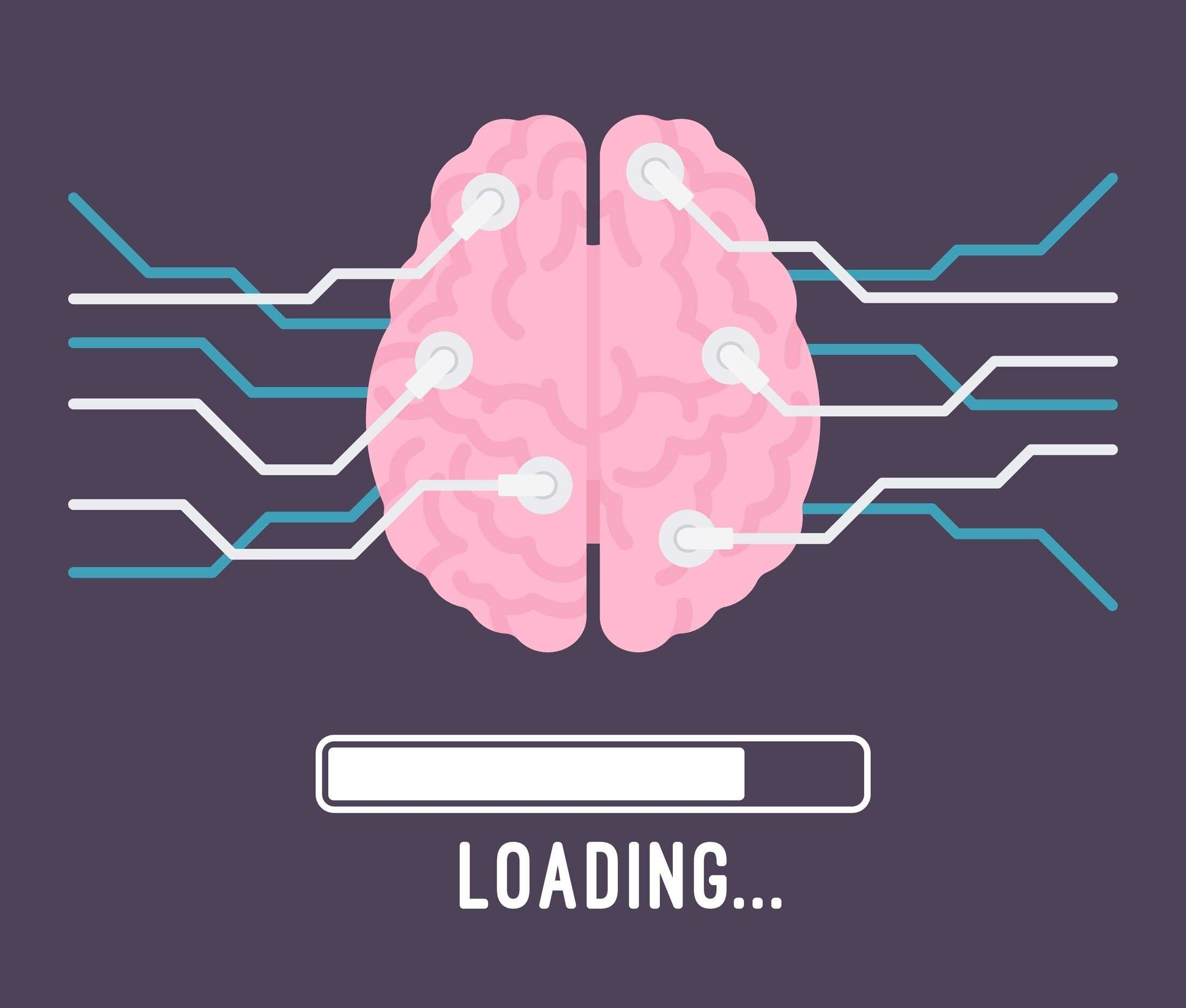
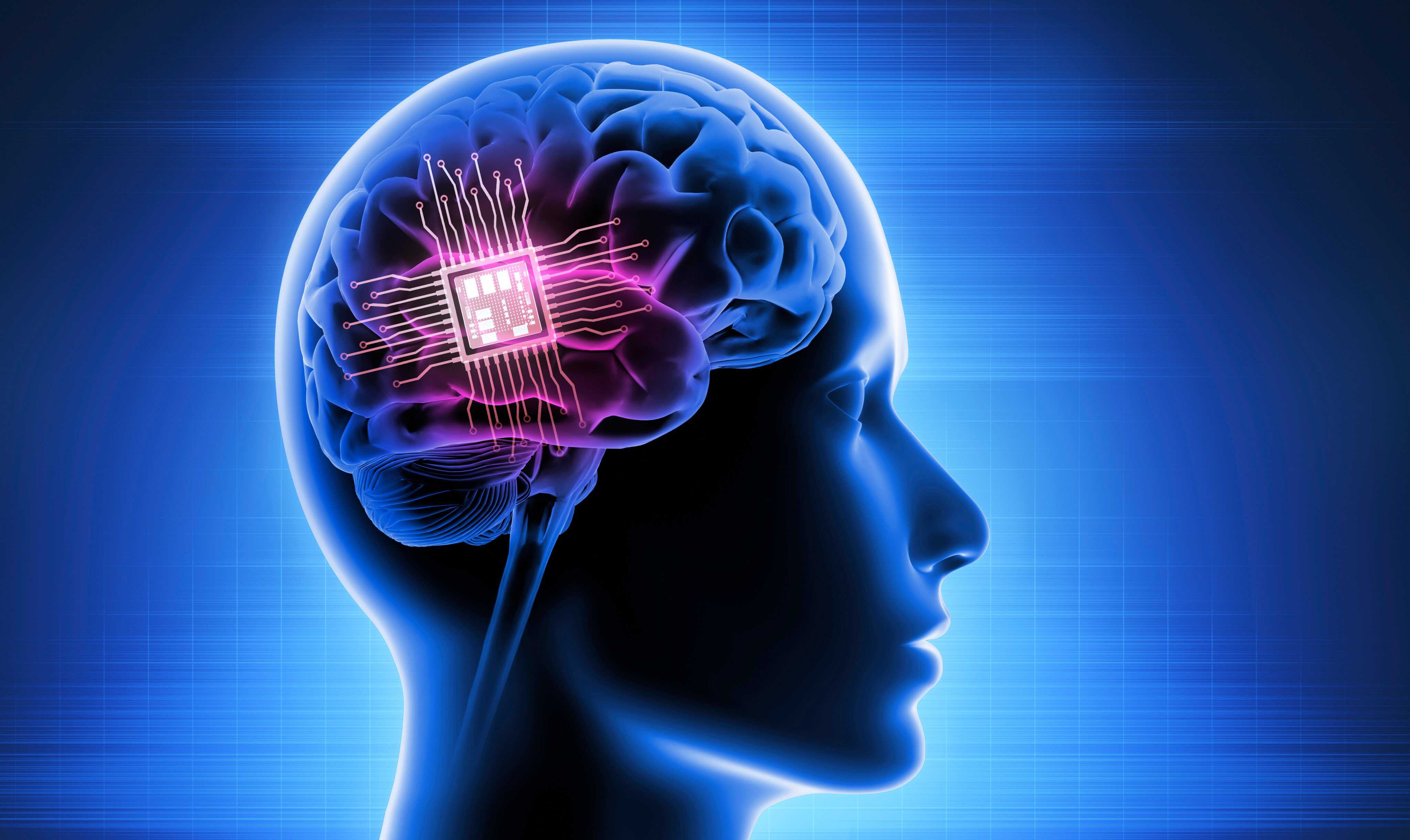
Mind uploading is a way to make a digital copy of the human brain. In this digital world, it could be possible that your mind would live forever.
You would still know who you are, remember your past and feel like yourself, but you would not have a physical body.
This idea might seem cool, but scientists are not close to making it happen. Many people think the brain is the most complicated object in the universe. Copying all that complexity is a tough task.
How to simulate our senses
To make a brain upload work, the computer would need to get the same information that a physical brain gets from the real world.
This means a computer would have to replicate all our senses, like sight, hearing and touch. It would also need to imitate things like blinking, heart rate and our body’s internal clock.
You can’t have a mind without using your senses. Putting someone in a dark and quiet room can be a form of torture. People who cannot feel things like hunger or pain in their body often have mental health issues.
For a brain upload, the computer must simulate exactly how our bodies feel and see things. Even small errors in this experience could lead to mental health issues.
Currently, scientists do not have the computer power or knowledge about the brain that is needed to create such a detailed simulation.
Steps to a brain upload
To upload a human mind, the first step would be to create a detailed 3D image of the brain. This needs a very advanced imaging machine.
At the moment, scientists are only at the very early stages of brain mapping. For example, they have mapped the entire brain of a fly and tiny portions of a mouse brain.
It might take them decades to find a way to scan all of the 86 billion neurons that connect the human brain.
However, technology is developing very quickly, so we can expect big improvements in brain mapping technology. Some people believe mind uploading will happen as early as 2045, while others think it will only happen at the end of the century.
This article was first published in The Conversation. It was written by Dobromir Rahnev, an associate professor of psychology at the Georgia Institute of Technology.

.jpeg?image_process=image/resize,w_3840/quality,Q_75)
