Difficulty: Summiteer (Level 3)
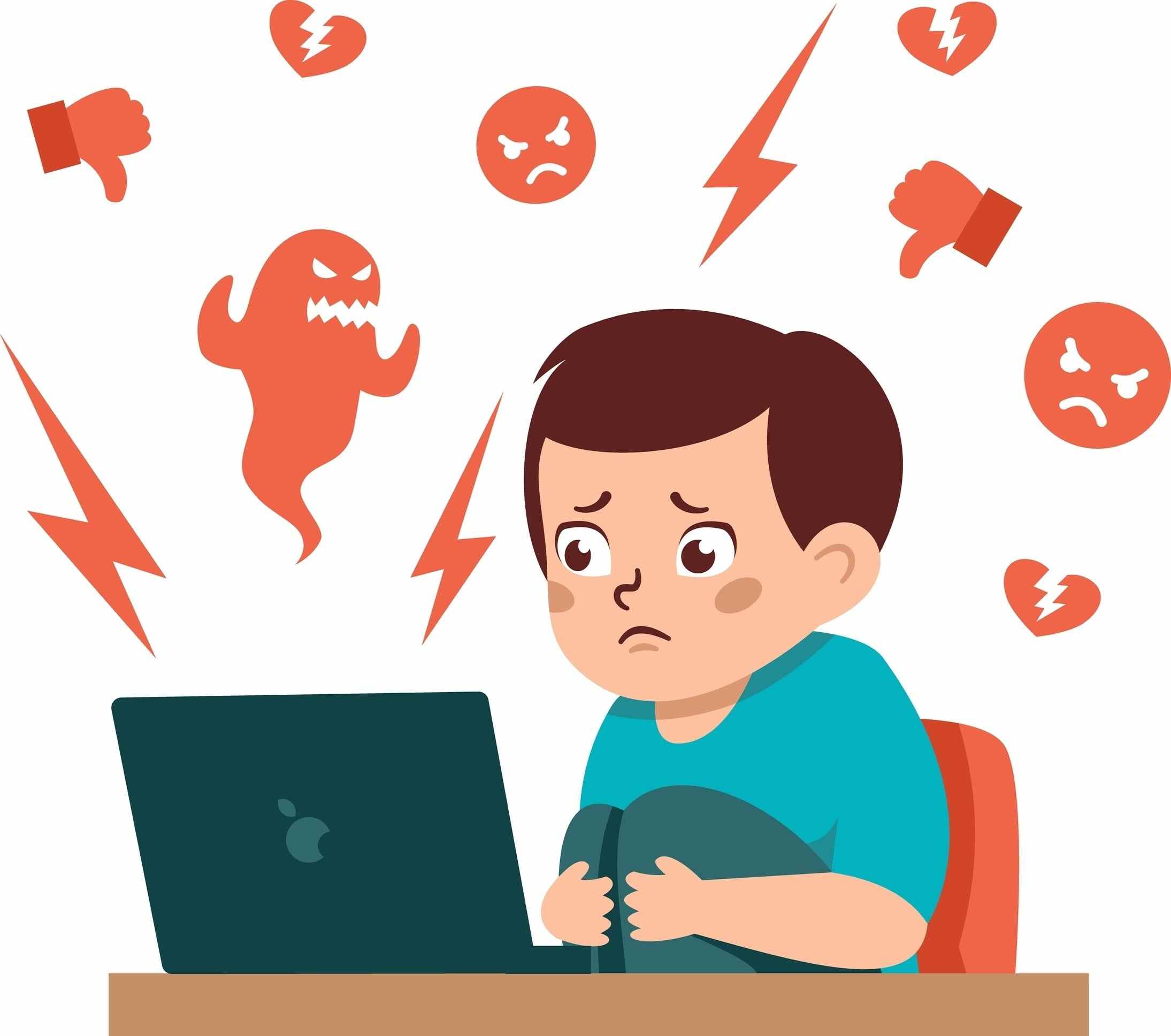
From fake items online to deceptive accounts on gaming platforms, scams targeting young people are growing. For instance, a University of Hong Kong student lost HK$9.2 million to a phone scam in January 2025.
Elvis Ng Ho-hei is the senior manager of youth services at the Hong Kong Family Welfare Society (HKFWS). He gave examples of common scams to watch out for and explained what to do if you have been scammed.
Buyer beware
According to Ng, many money fraud and personal information scams target young people. They often involve online shopping and gaming.
“Scammers ... create fake deals to buy or sell game accounts, deceiving young players into sending money. After the payment is made, the victims frequently lose their accounts,” Ng said. He has worked in cyber-safety education for 20 years.
Scammers often build relationships before blackmailing someone for money or inappropriate content.
“We encountered a case of a 10-year-old girl who made friends through online games and was invited to join a gaming group on Discord. She was coerced into taking inappropriate photos in exchange for money,” Ng said.
The girl’s school social worker found out what happened and referred her to the NGO’s internet education and counselling service, HealthyNet.
“We offered emotional support [and] parenting education and helped connect them with the police, but they often are too late,” Ng said. “Ideally, we’d like to prevent these situations from happening in the first place.”
Importance of education
Schools and community groups are crucial in educating students to recognise scam tactics like phishing and impersonation.
Common red flags include requests for sensitive information such as ID numbers and passwords.
Be wary of urgent requests to send money or demands to keep secrets, as well as “too good to be true” offers that push you to buy something without checking if it is safe.
Ng said kids must learn to be responsible online and this education should start in primary school.
“Despite social media platforms having age limits ... many primary school students under 10 already use social media,” he said. “These younger users are at greater risk because of their lack of maturity and exposure.”
If you think you have been scammed, Ng suggested blocking the scammer’s accounts and changing all your passwords. Then, tell a trusted adult. Keep proof of the scam, such as screenshots of messages, emails and records of money you have sent, so you can pass this information to the police. If money is involved, contact your bank as soon as possible.