Difficulty: Summiteer (Level 3)
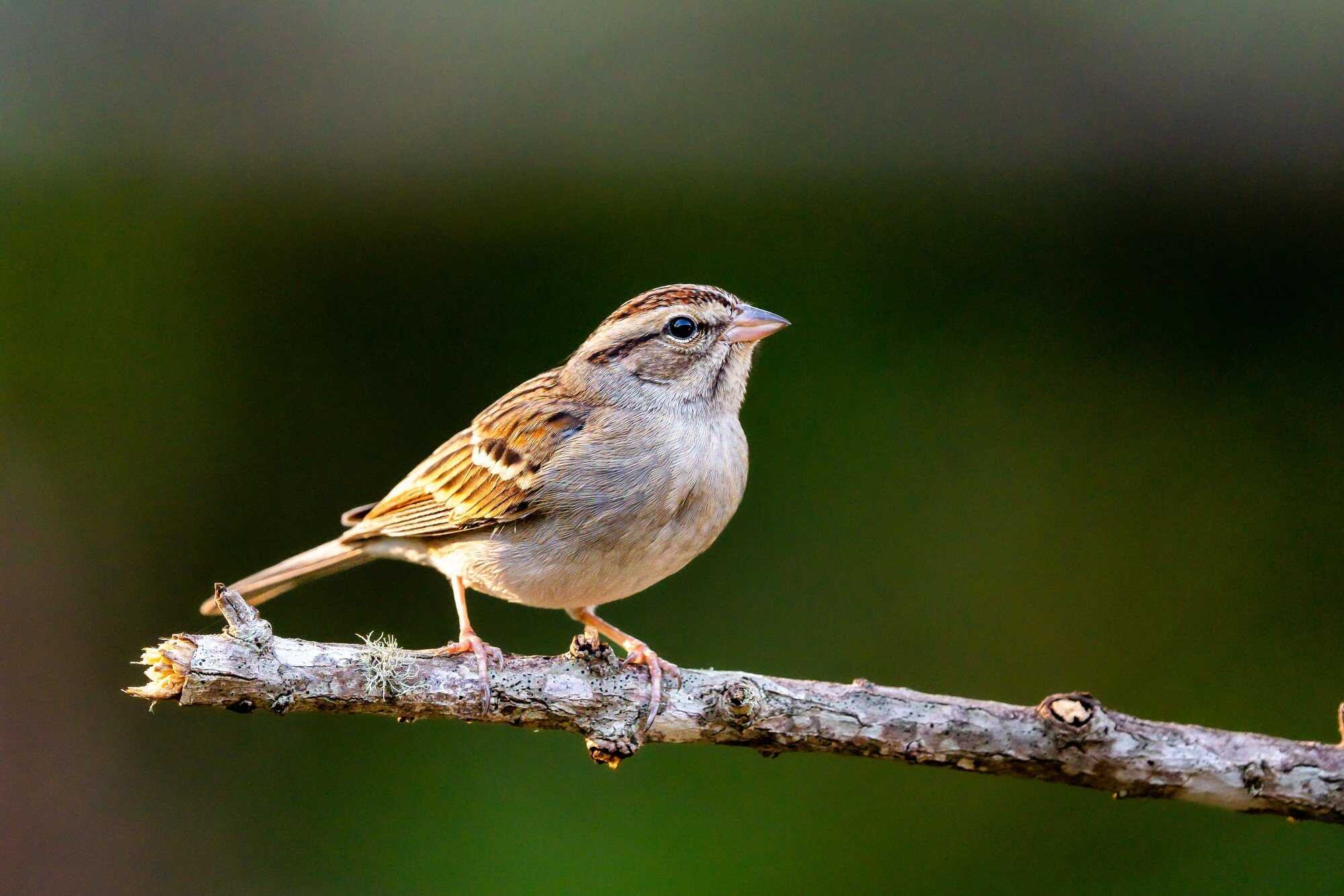
The brown back, black streaks and grey belly of a sparrow may seem ordinary, but these small birds play a crucial role in urban ecology – pollinating flowers and ridding the streets of pests.
In honour of World Sparrow Day, which was March 20, Hong Kong artists are using this bird to reimagine the connection between urban spaces and ecology.
They were part of a campaign called “Art for Renewal: Environmental Conservation in Action”. It aimed to help people appreciate how city life and nature coexist in the Tai Kok Tsui neighbourhood.
Hong Kong sparrows
The number of sparrows in a city can show whether its ecosystem is healthy. Since 2018, Hong Kong has had between 200,000 and 250,000 sparrows, according to the Hong Kong Bird Watching Society.
John Chung Chun-ting, a research officer with the society, said the 2024 population had dropped by nearly 30 per cent compared to the estimated 300,000 sparrows in 2016.
He explained that urban redevelopment and high-rise construction could be making it harder for sparrows to make their nests.
Plants are not the only nest-building spot for sparrows, who also make them on drains, vents, walls and air conditioning units. Thus, when buildings are torn down for redevelopment, it reduces the spots for their nests.
Hong Kong’s tall glass buildings are also dangerous for birds. In one year, the birdwatching society recorded 309 cases of birds crashing into windows, and more than 90 per cent of these birds died.
“Long-term monitoring is essential to understanding population trends and ensuring effective conservation efforts,” Chung said.
Look at the city through a bird’s eye
“Art for Renewal” focused on Tai Kok Tsui because of the neighbourhood’s diverse cultures and ecosystems.
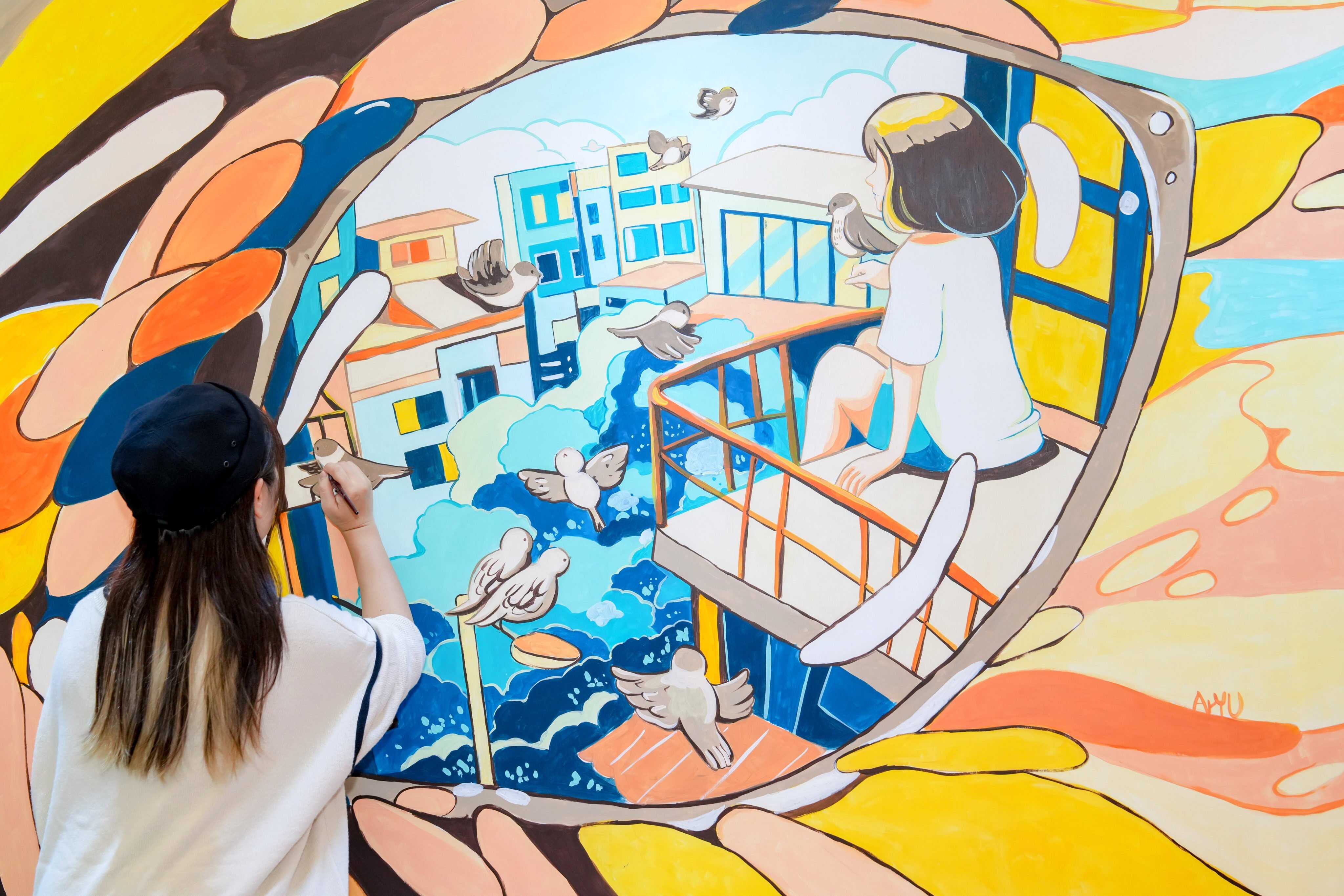
Another highlight of the project was a live painting of a mural, called Bird Sight at the Olympian City mall by ArYu, who preferred to share only her nickname.
Through the mural, which shows the city from the perspective of a bird, ArYu hopes to inspire people to examine their surroundings and consider how to protect the animals and plants in Hong Kong.
“When I walked through this area, I noticed how old and new elements coexist in harmony,” she shared. “I wanted to depict the city from a bird’s perspective. Since so many different things come together here, if I were a bird, this would also be my home.”
She explained the meaning behind her painting: “How would I view this city? The idea is: you don’t disturb me; I don’t disturb you. I can live here freely and naturally.”