Difficulty: Summiteer (Level 3)
Dopamine is an important chemical found in the brain that helps us feel good. But does it matter if it comes from “healthy” or “cheap” sources?
Cherrie Chung, a Hong Kong psychotherapist with 15 years of experience, said that when it comes to healthy dopamine sources, “you have to work for it”.
“Going to a workout, finding it really tough, and then feeling good afterwards is a more effortful kind of dopamine,” explained the counsellor from Insight Counselling. Getting a good night’s sleep and spending time outdoors are also healthy ways to get dopamine.
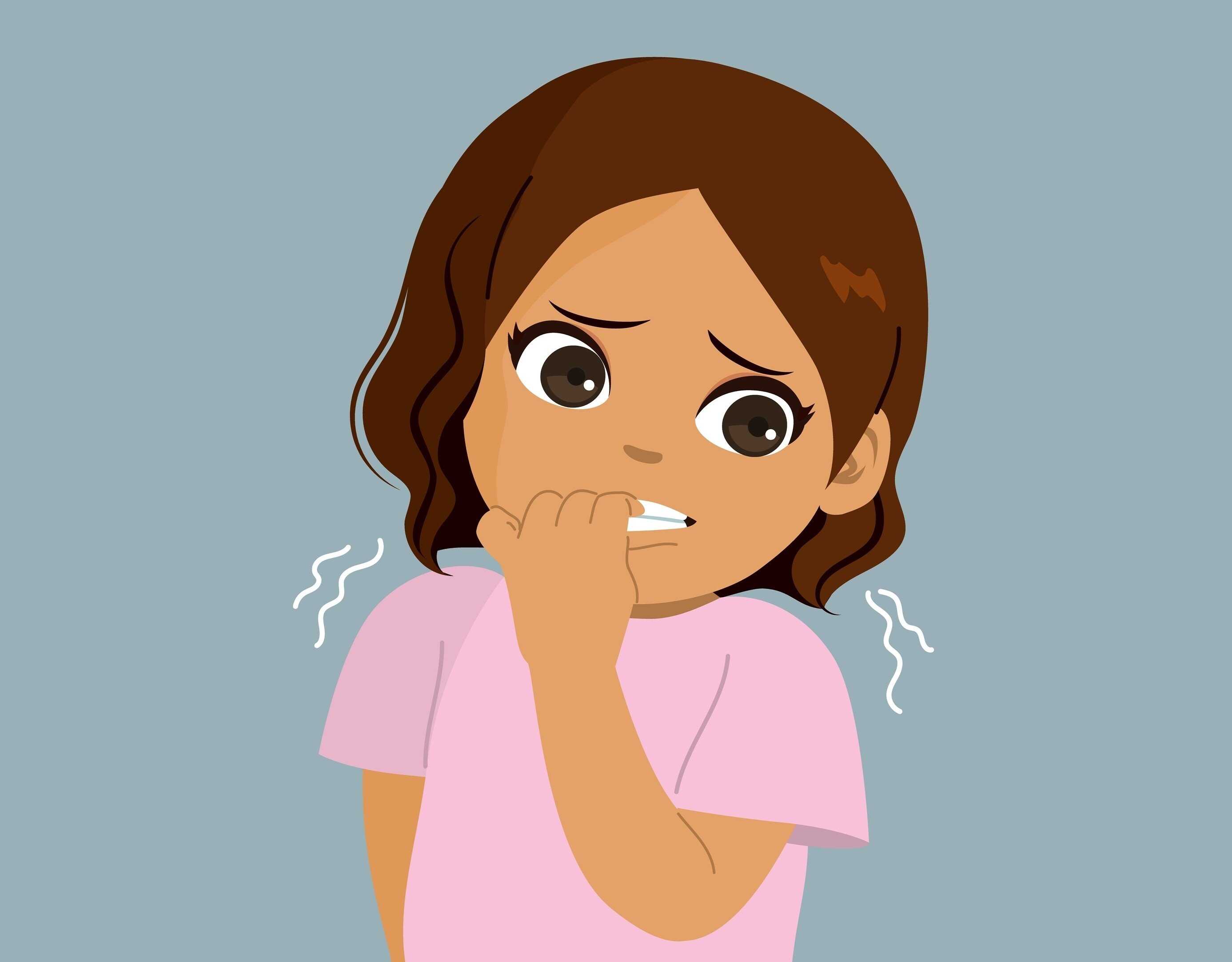
“Cheap” dopamine comes from convenient sources like social media. They offer instant gratification, but often leave a person wanting more.
According to Chung, the urge for more cheap dopamine is leading to shorter attention spans. “If we don’t practise and use our muscle of attention ... it really does atrophy,” she said.

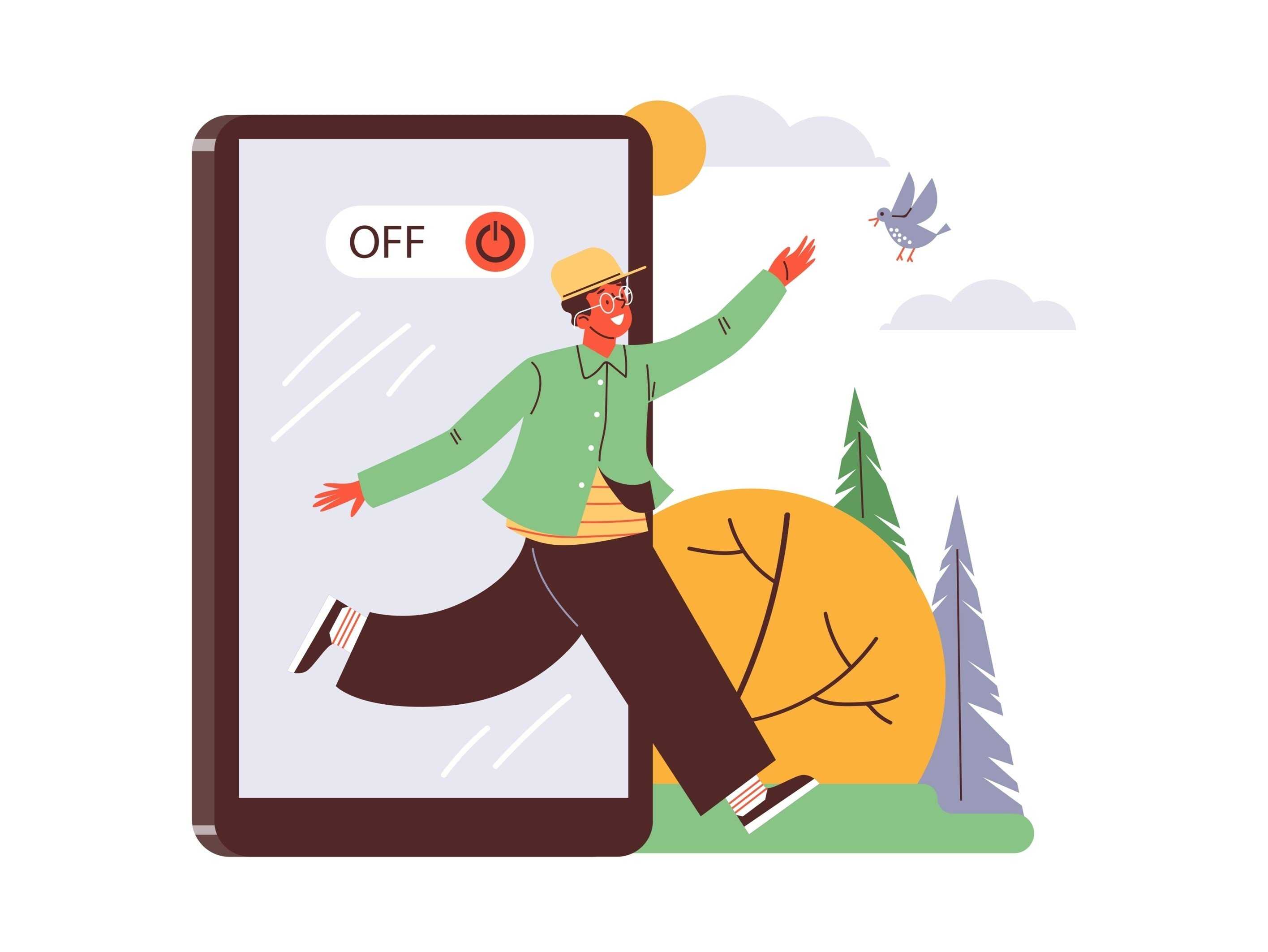
Choose what to detox from
If you’re used to drinking sugary beverages while playing video games and watching YouTube videos, don’t try to quit everything all at once.
“Detox from one thing at a time,” Chung said. Changing one or two habits is much easier than going all in and is more likely to lead to lasting change.
Decide on a time frame
How long must a detox last to be effective? Research has found that a month would be ideal, but Chung said this might not be realistic for everyone.
“If you can’t do a month, then detoxing for two weeks is better than not doing it at all,” she said.
Observe your behaviour
Chung recommended monitoring your behaviour for a few days before beginning your detox. For example, do you find yourself scrolling social media as a way to avoid your homework? Or do you stay up late watching your favourite show because of stress?
Make a plan
Create a schedule that replaces the “cheap” dopamine activities with healthier ones, such as sketching, reading novels or playing an instrument.
You can write down some replacement activities in a planner or follow a to-do list to focus on other tasks.
Benefits of a ‘cheap’ dopamine detox
Chung said that a cheap dopamine detox could result in a better attention span, more patience and a higher tolerance for discomfort, helping you get more pleasure out of everyday things.
“We [could] have more appreciation for the little things,” Chung said. “So having a conversation with a person is really lovely, or even just taking a walk can be really pleasurable.”