Difficulty: Challenger (Level 2)
Lunar New Year is a festival that marks the beginning of a new year based on the lunisolar calendar. This type of calendar follows the cycles of the moon and the sun.
In China, it is a time for visiting relatives, receiving red envelopes and clothes shopping. Many other Asian countries also celebrate Lunar New Year with their own customs.
South Korea
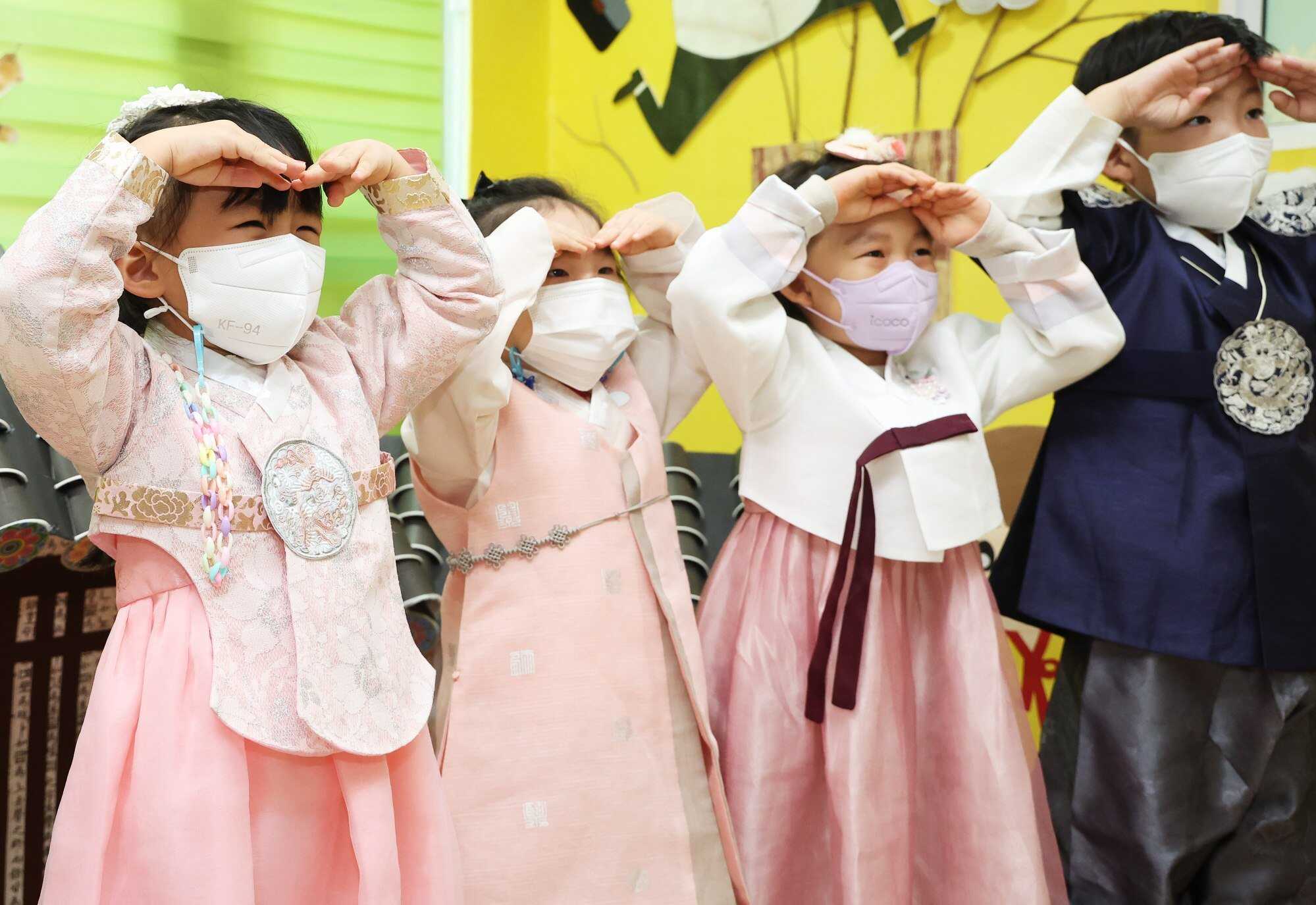
Seollal is the first day of the Korean lunisolar calendar. Young people begin the year with a ritual called sebae.
This is when they show respect to their elders by bowing deeply, kneeling and wishing them good fortune.
In return, their elders reward them with small gifts of money, given in silk bags with beautiful designs.
Koreans wear hanbok and offer food to ancestors in a tradition known as charye. After this ritual, they eat the food to gain blessings for the new year. Tteokguk, a rice cake soup, is a popular food for Seollal.
Vietnam
In Vietnam, the festival is called Tet. Vietnamese celebrations have some similarities with those in China.
Receiving red envelopes, paying respect to ancestors and spending time with family are important parts of the festival. But there are some unique Tet traditions.
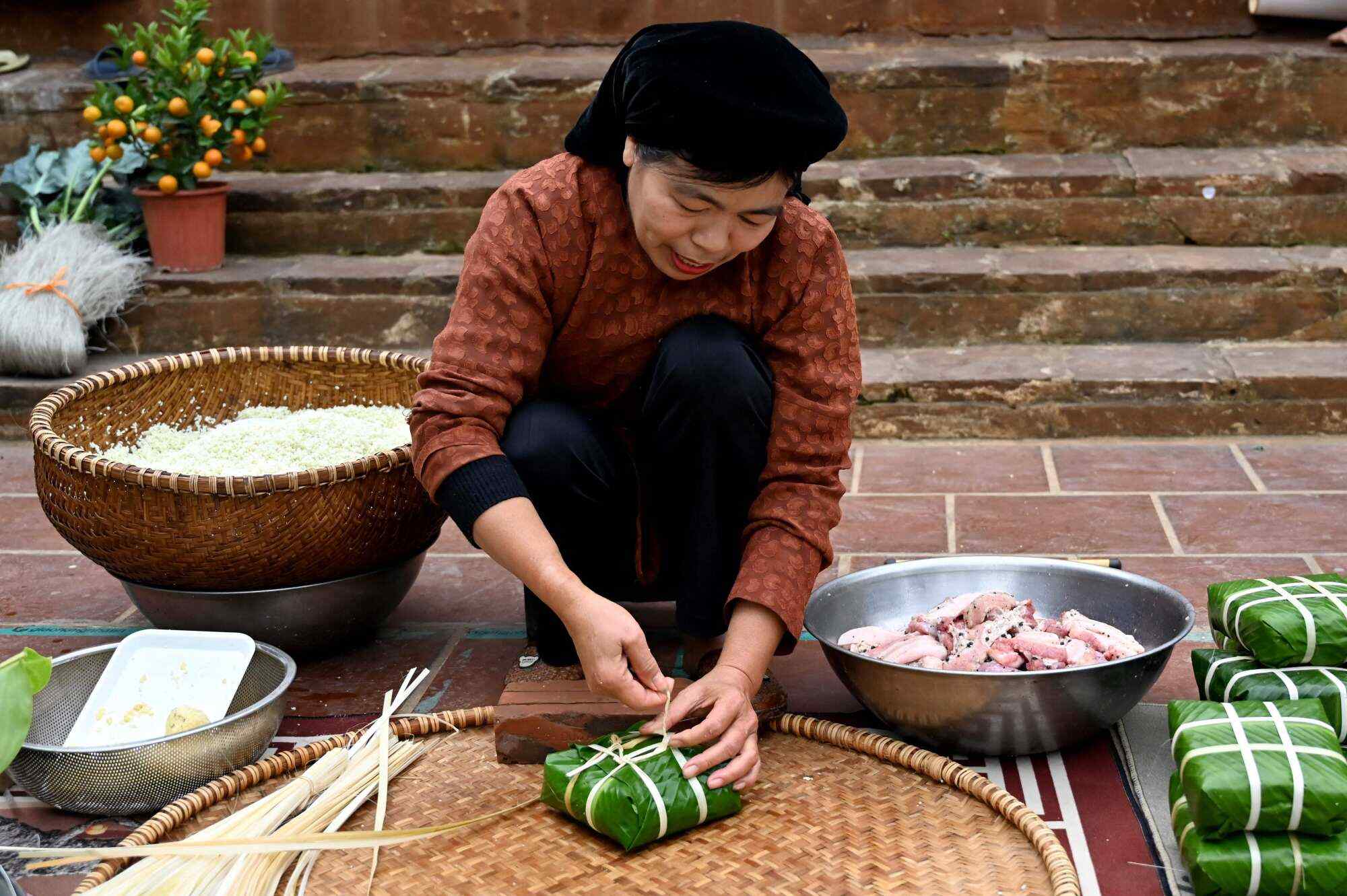
Banh chung – rice stuffed with pork and wrapped in banana leaves – is sold in markets as a popular snack for Tet. Xoi gac is sticky rice dyed red to symbolise good luck. It is served with boiled chicken and sausages.
Mongolia
Tsagaan Sar is Mongolia’s Lunar New Year. Its name means “white moon” as this colour symbolises happiness.
Milk is a key ingredient in the celebration, and people enjoy things like milk tea and fermented drinks.
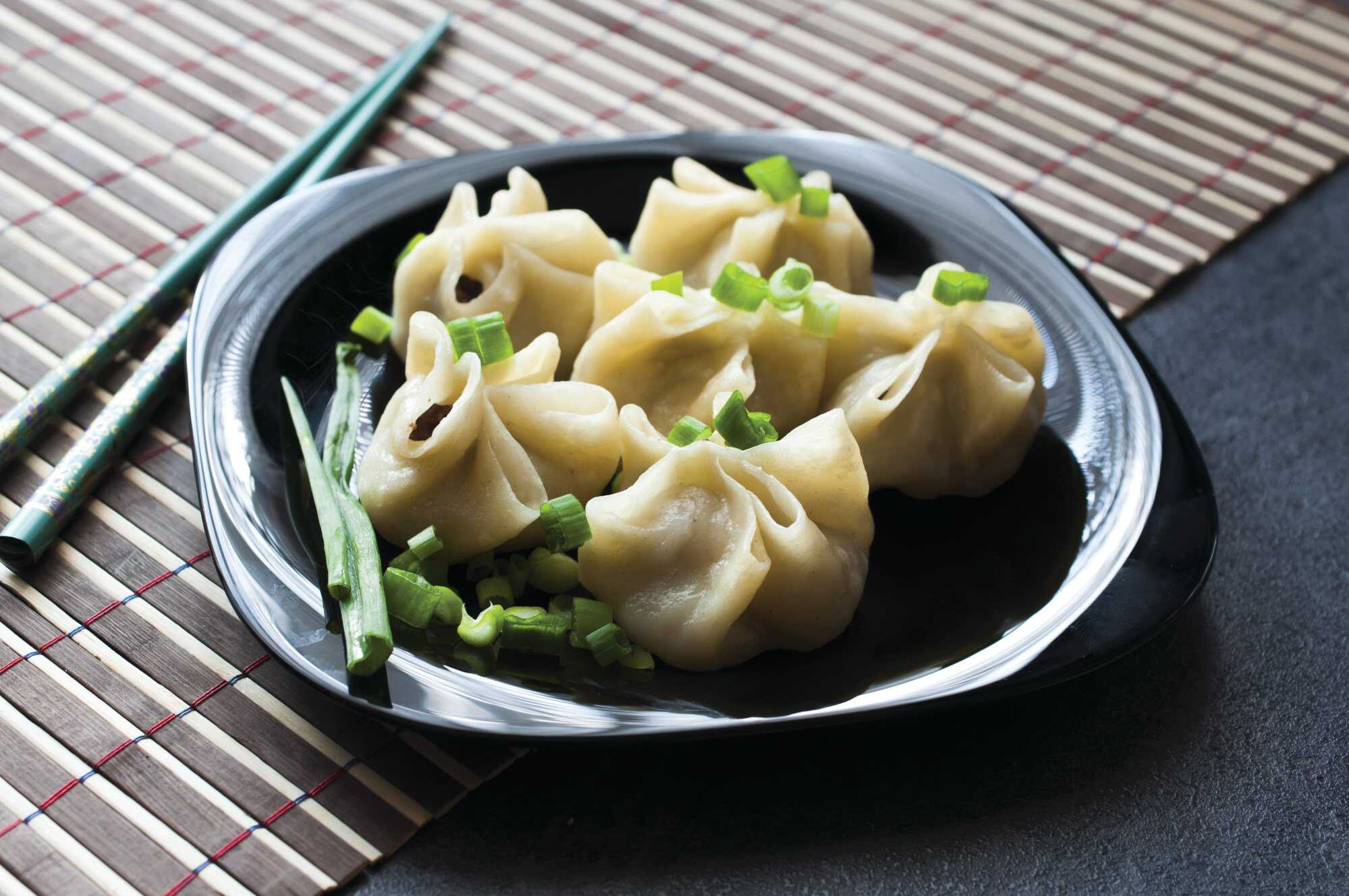
Families typically prepare large dumplings called buuz, which are filled with minced beef or lamb.
Another common food is a type of cake called ul boov. A beautiful pattern is stamped in the centre using a carved wooden block.
A family’s ul boov design is like a fingerprint; it is unique to them. The stamp is considered very precious and passed along from generation to generation.
Gathering with family, showing respect to elders and exchanging gifts are also important traditions during Tsagaan Sar.