Difficulty: Summiteer (Level 3)
Two Hong Kong university students recently went to Japan not just for its Instagrammable spots or tasty sashimi bowls, but for
a 70-year-old tea farm and its lessons about sustainability.
Tammy Tam Yuk-ting and Yanice So Ngan-mei are students at the Hong Kong University of Science and Technology.
“We ... wanted a more meaningful kind of travel,” So said. The 19-year-old studies economics and finance.
“We’ve read about low-carbon travel and sustainable local communities, but we wanted to see what it looks like,” Tam added. The 20-year-old is studying information systems and operations management.
Through an HK Express challenge, the duo travelled to Shizuoka for four days. This prefecture in southern Japan makes almost 40 per cent of the country’s green tea. It is celebrated for respecting nature and tradition.
Experience of sustainability
Tam and So’s trip was part of the “Gotta Go! Sustainable Explorer Challenge 2025” organised by HK Express.
This programme invites Hong Kong students to create low-carbon travel plans. A total of 470 students from four Hong Kong universities joined.
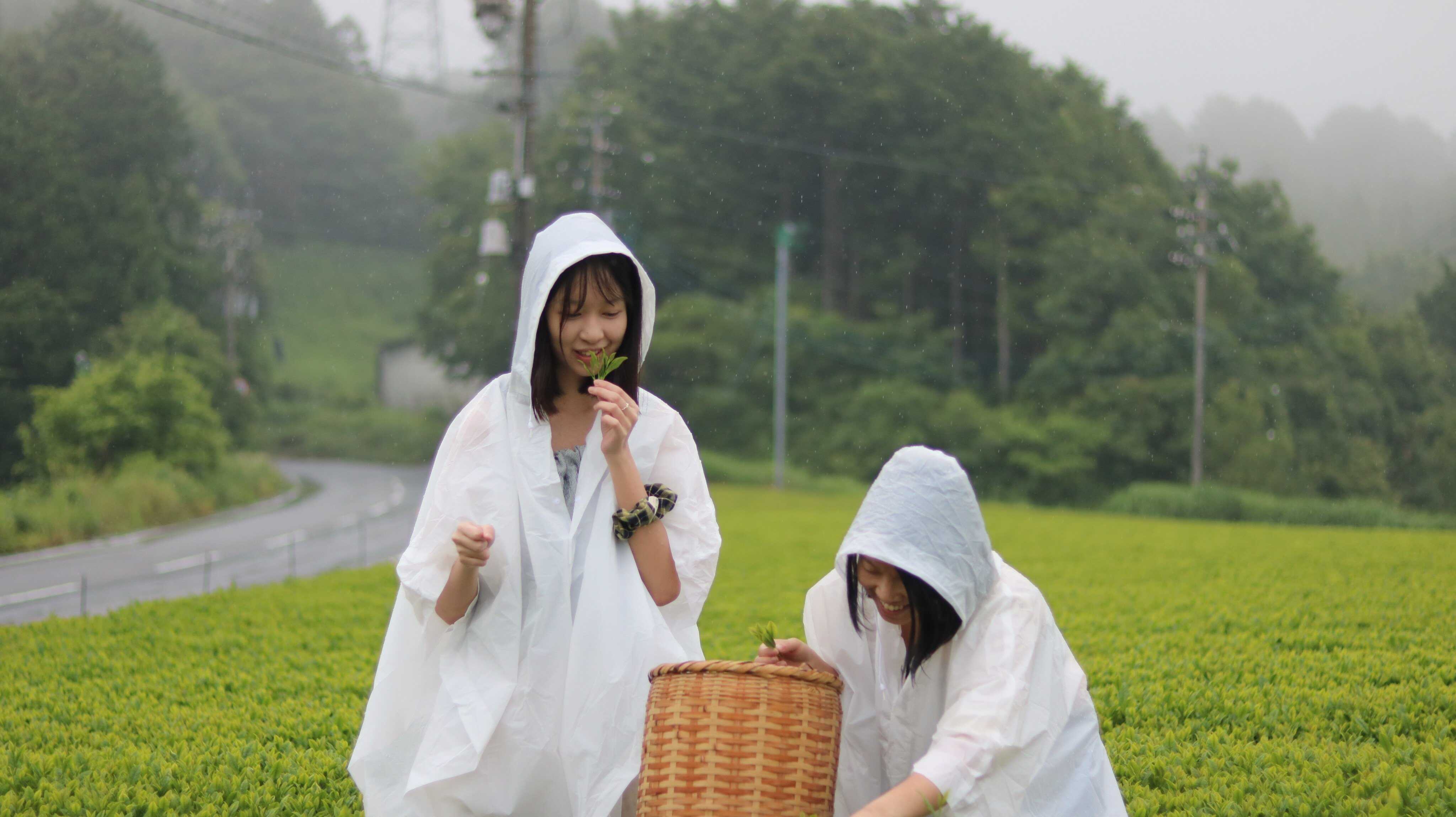
Three teams were chosen to bring their plans to life. Tam and So designed their trip around local culture. They picked tea leaves and stayed in a traditional homestay that cut power after 10pm.
They also learned to track their transport emissions and looked for eco-friendly places to stay. Flights contribute most to carbon emissions, so the pair chose to fly on a lower-emission aircraft, the Airbus A320neo.
“For meals, we prioritised vegetarian and vegan food and avoided red meat throughout the trip,” Tam explained.
“For transport within Japan, we mostly walked when distances were under 5km, and otherwise used public transport.”
Green tea traditions
In a small village, Tam and So met Yamada-san, who hopes his homestay and tea farm can help protect Japan’s tea culture.
“He sees that the younger generation prefers the convenience of bottled drinks over the traditional tea ceremony, without appreciating the story behind every leaf,” Tam said.
So added: “He wants people to rediscover it by directly experiencing tea picking.”
Under Yamada-san’s guidance, the pair learned the patient process of picking tea leaves. The tea they harvested was used for their meals.
Yamada-san taught the students that tea is a connection to history, nature and a way of life. Tam and So were reminded that sustainability also includes preserving the cultural practices that make a place unique.
Back in Hong Kong, the two students hope their journey will inspire others to make eco-friendly choices. So advised: “Start with one goal. Take the train, eat local or bring your own box.”