Difficulty: Summiteer (Level 3)
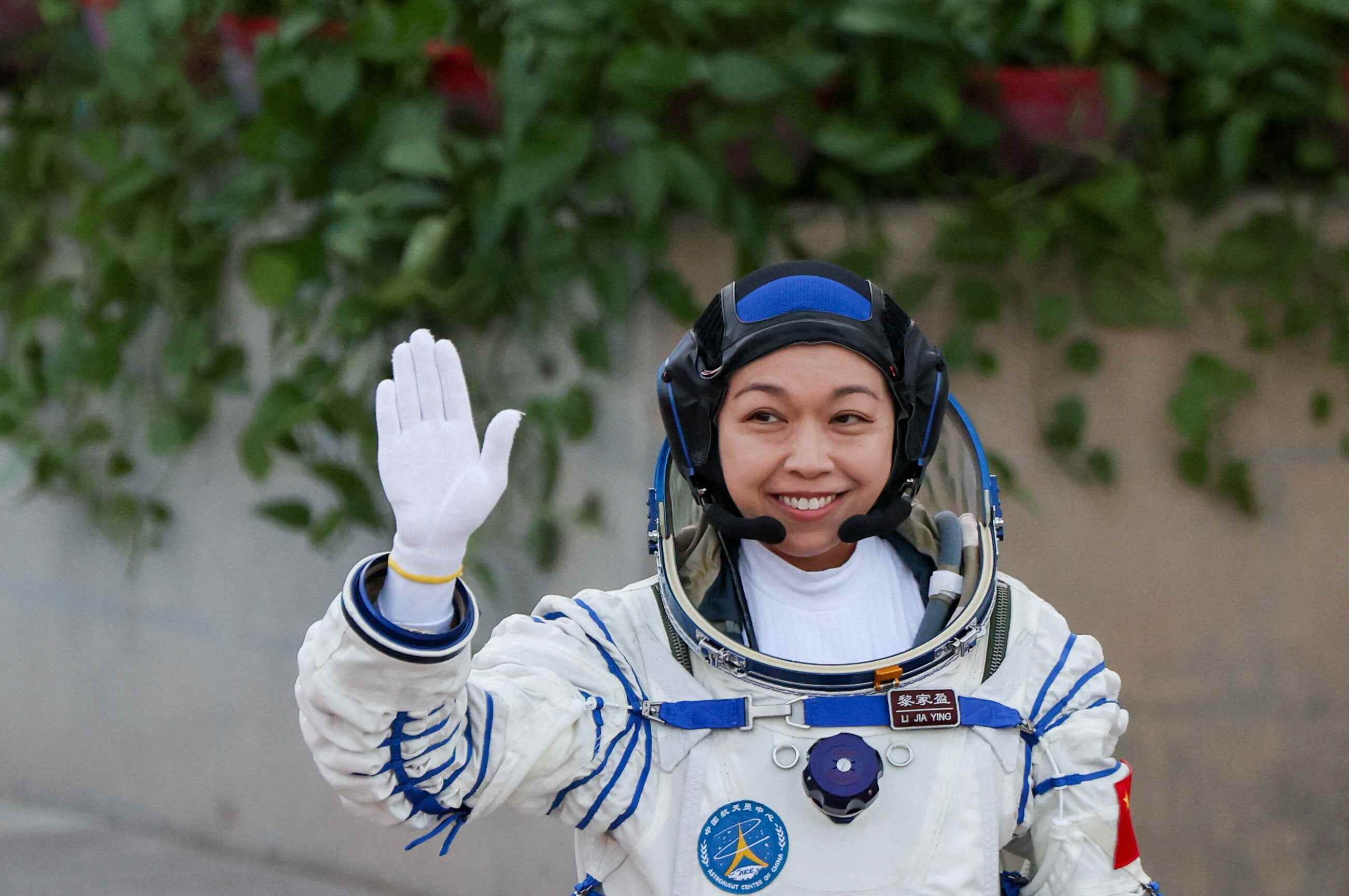
Watching Hong Kong’s first astronaut, Lai Ka-ying, launch into space felt like a dream come true for 16-year-old Valerie Chiu Wing-yee.
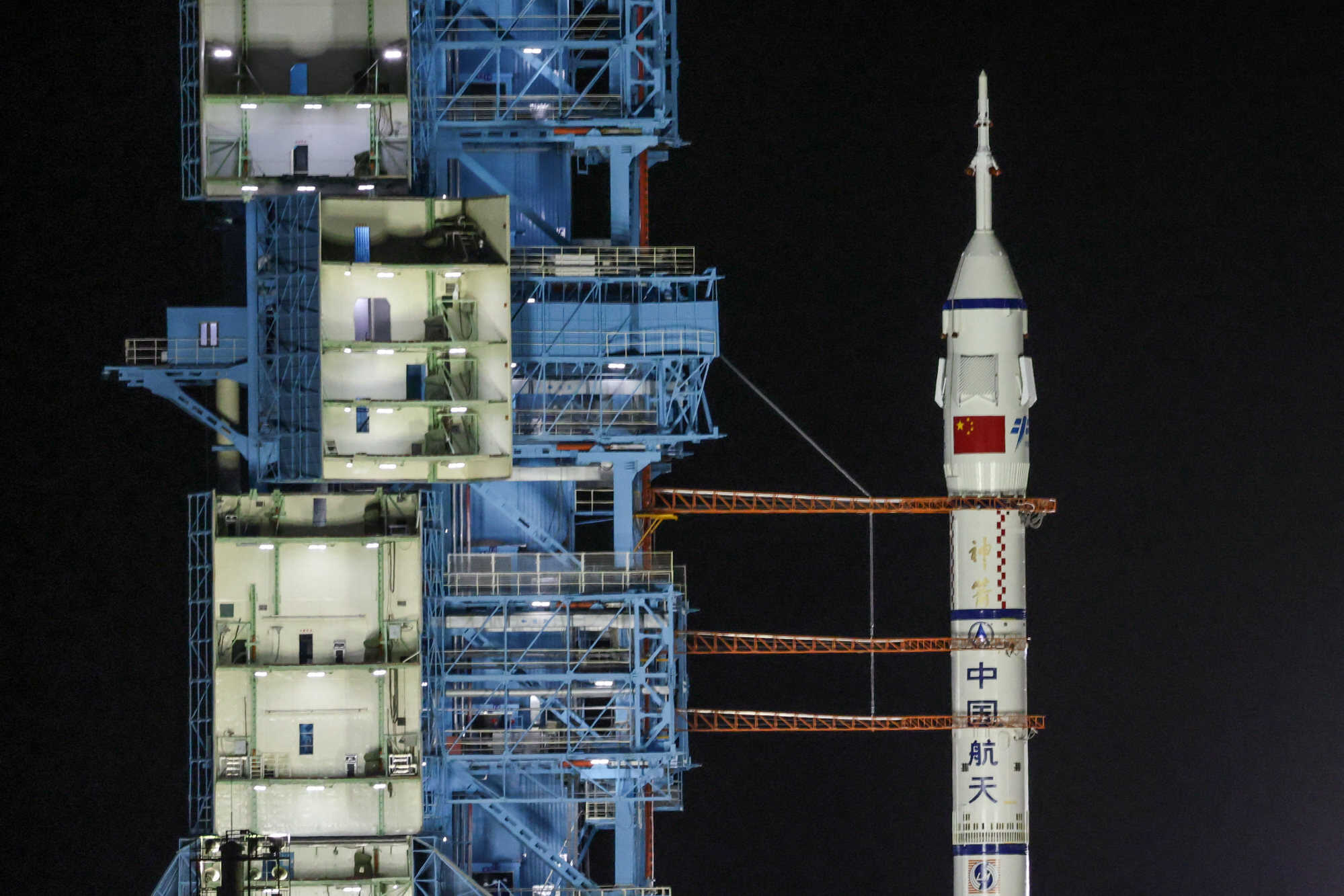
The teen was captivated by the historic moment in May when Lai lifted off as the only woman on the Shenzhou-23 mission.
“It gives Hong Kong people a great sense of pride because it shows that travelling to space is not limited by gender or [where you are from],” Valerie said. She is a Form Four student at St Mary’s Canossian College.
Valerie added that Lai’s journey was a powerful reminder to step out of one’s comfort zone.
“Her transition from a background in computer science and digital forensics to becoming Hong Kong’s first female astronaut shows that we should not stop pursuing new opportunities, even if they involve fields we aren’t used to,” she shared.
Breaking stereotypes
Born and raised in Hong Kong, Lai is the fourth Chinese woman to travel to space. She is the country’s first female payload expert.
Her presence on the mission underscores how disciplines such as computing and data analysis have become central to 21st century space exploration.
Lai was selected for training in 2024 as part of China’s fourth batch of astronauts. She joined a three-member crew on a mission that took about 3.5 hours to reach the Tiangong space station.
As a payload specialist, she will help conduct more than 100 scientific studies aboard Tiangong. These range from biomedical experiments on mice and artificial embryos to research on energy storage systems and materials testing.
Valerie noted that Lai’s journey would inspire more teenagers in Hong Kong to pursue STEM fields.
“Historically, the majority of astronauts worldwide – not just in China – have been male,” she said.
“Her story proves that even though women are sometimes perceived as physically weaker than men, they can absolutely travel to space and achieve remarkable milestones if they commit to intensive training and show immense determination.”
Historic achievement
Exodus Sit Chun-long is an astronomy educator and popular science author in Hong Kong. He called the achievement a “historic milestone crucial for the future”.
He added that it sends a strong message to the city’s young people that space is within reach.
“I would strongly encourage students to chase their dreams if they truly love astronomy or astronautics,” Sit said. He serves as the chair of the National Astronomy Education Coordinator Team (China, Hong Kong) for the International Astronomical Union’s Office of Astronomy for Education.
In the future, local youth will have more chances to be part of the country’s space missions.
“If students equip themselves with advanced skills in sophisticated technologies – such as AI, engineering, robotics or even astronomy, they will have great opportunities to contribute,” he said.