Difficulty: Challenger (Level 2)
For as long as people have moved around by boat, there have been pirates.
Building boats can be traced back to the ancient Egyptians. They used boats made from papyrus reeds as early as 6,000 years ago. These vessels likely carried valuable goods up and down the river Nile. And if there were valuable goods, you could usually find thieves.
In fact, pirates are just thieves of the seas. They sail and attack other ships to steal their cargo.
Researchers today know about the pirates who targeted riverboats because Egyptian pharaohs left records grumbling about them. By 3,500 years ago, thieves on sailing vessels would regularly attack coastal towns around the Nile Delta.
Trade increased across the ancient Mediterranean Sea. Boats would carry valuable pottery, silk, glass, spices and metals. But they became targets of ancient pirates.
Since the goods were valuable, pirate attacks became common across the region. The ancient Roman navy had to work hard to stop them. For a while, it did.
The earliest pirate
The first mention of a pirate by name may have been in a Greek history book. It was written in the fifth century BC by an ancient historian named Herodotus.
He briefly described the adventures of a naval commander by the name of Dionysius, who was from Ionia in modern-day Turkey.
He set up a pirate base on the island of Sicily, above North Africa. The location allowed him and his fellow pirates to plunder ships that happened to sail past.
Pirates of the Caribbean
Dionysius may have been the first recorded pirate. But the most famous pirates lived during the 17th and 18th centuries.
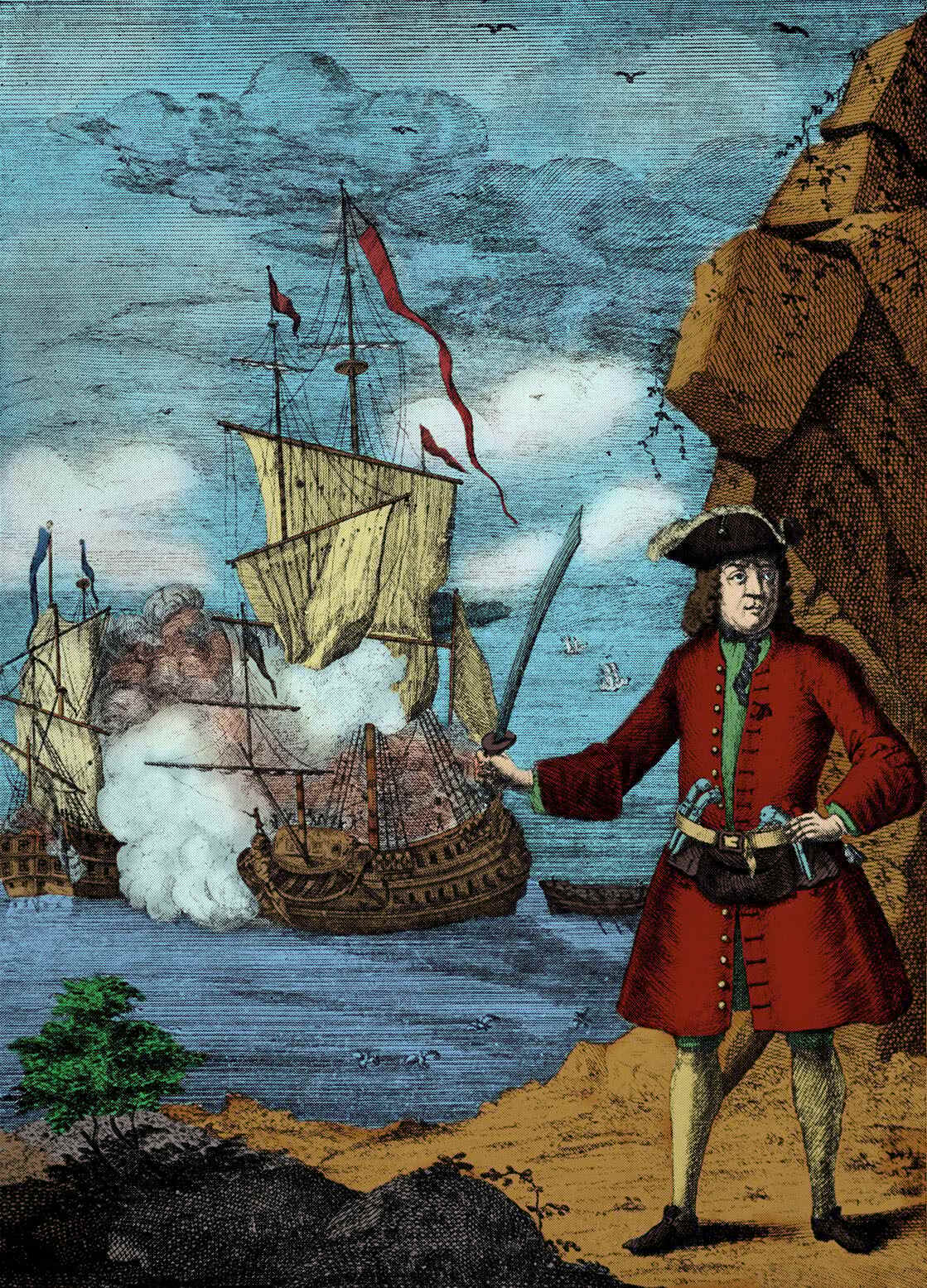
This time period was known as the golden age of sea piracy. You may have heard of some of its famous pirates, like Blackbeard, whose real name was Edward Teach.
Other notorious pirates include William Kidd, Henry Morgan, Calico Jack and Anne Bonny. They attacked and robbed Spanish treasure ships in the Caribbean. These ships carried silver from mines in Bolivia in South America back to the King of Spain.
Port Royal, a town in southeastern Jamaica, was a big pirate refuge.
21st century pirates
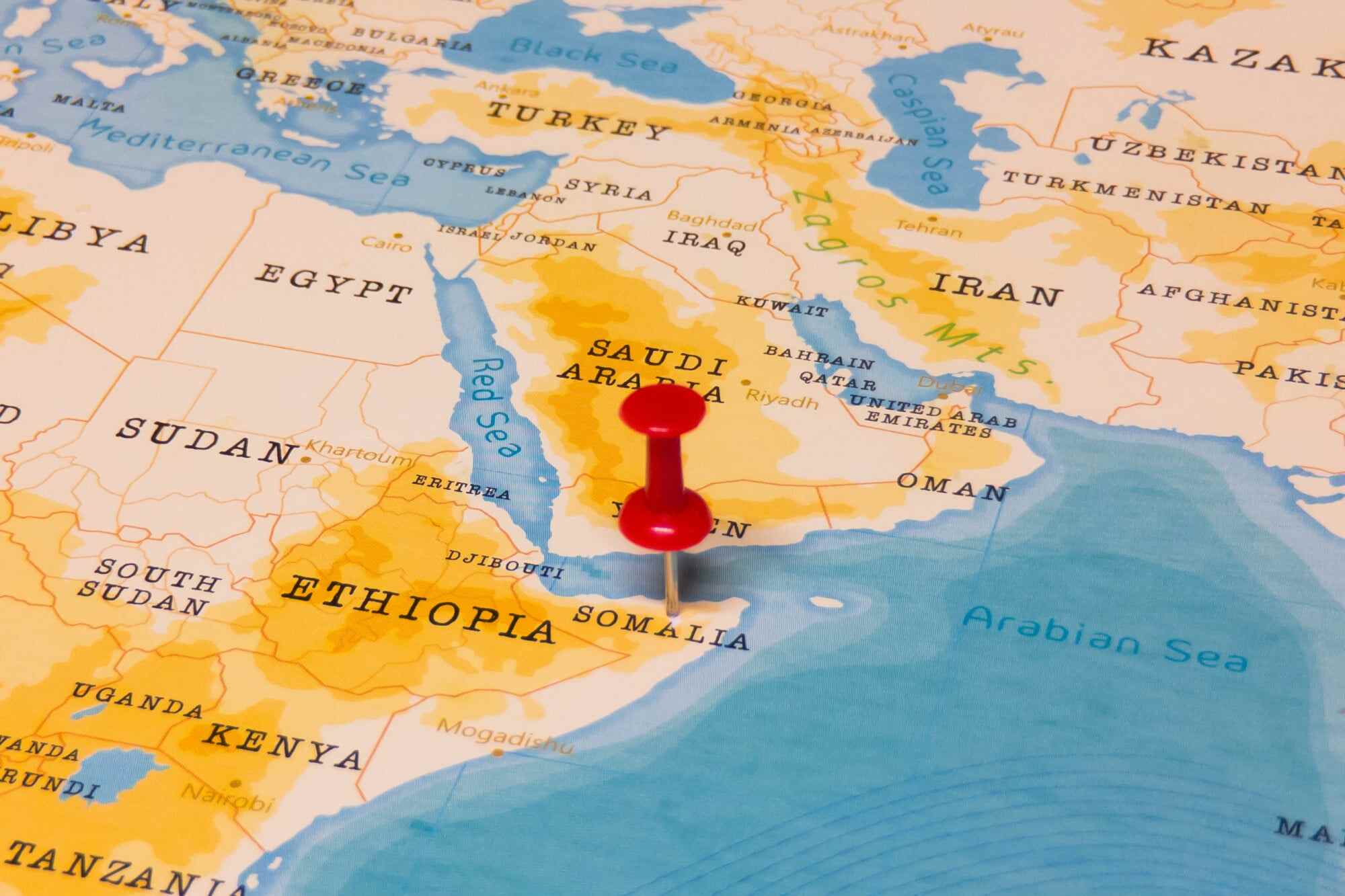
Today, there are three main piracy hotspots: the Gulf of Aden near Somalia in the Horn of Africa, the Strait of Malacca in Southeast Asia and the Gulf of Guinea off the coast of West Africa.
People today become pirates for many reasons, including to escape poverty and enslavement. Others may want adventure and to travel the world.
Despite efforts, ship looting remains and is likely to always exist.
This article was first published in The Conversation. It was written by Brandon Prins, professor of political science at the University of Tennessee in the United States.