Difficulty: Summiteer (Level 3)
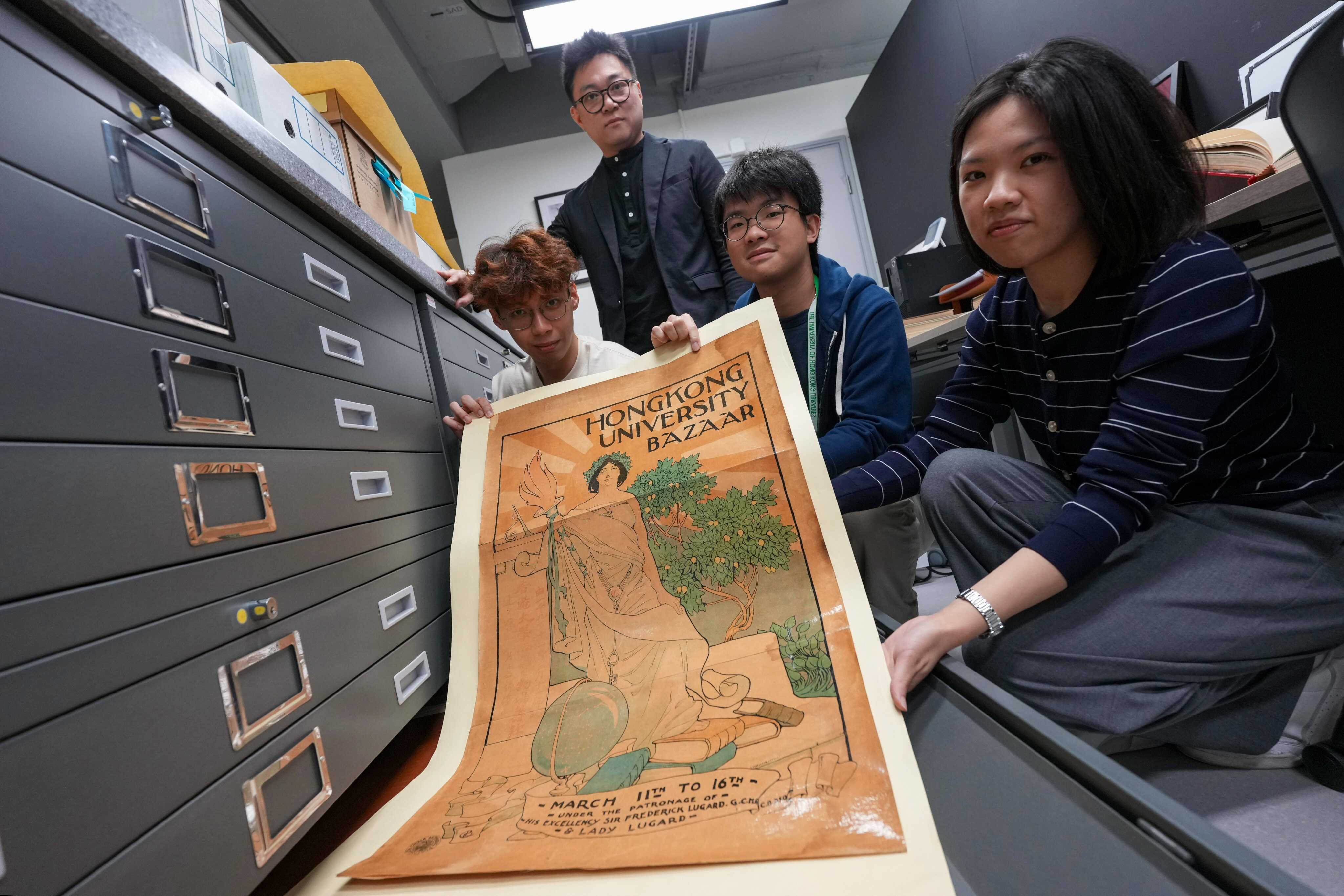
If you asked archivists at the University of Hong Kong (HKU) what they would seal in a time capsule, their answer would be unanimous.
Archives have a plan if disaster strikes. There is one thing that the staff must grab.
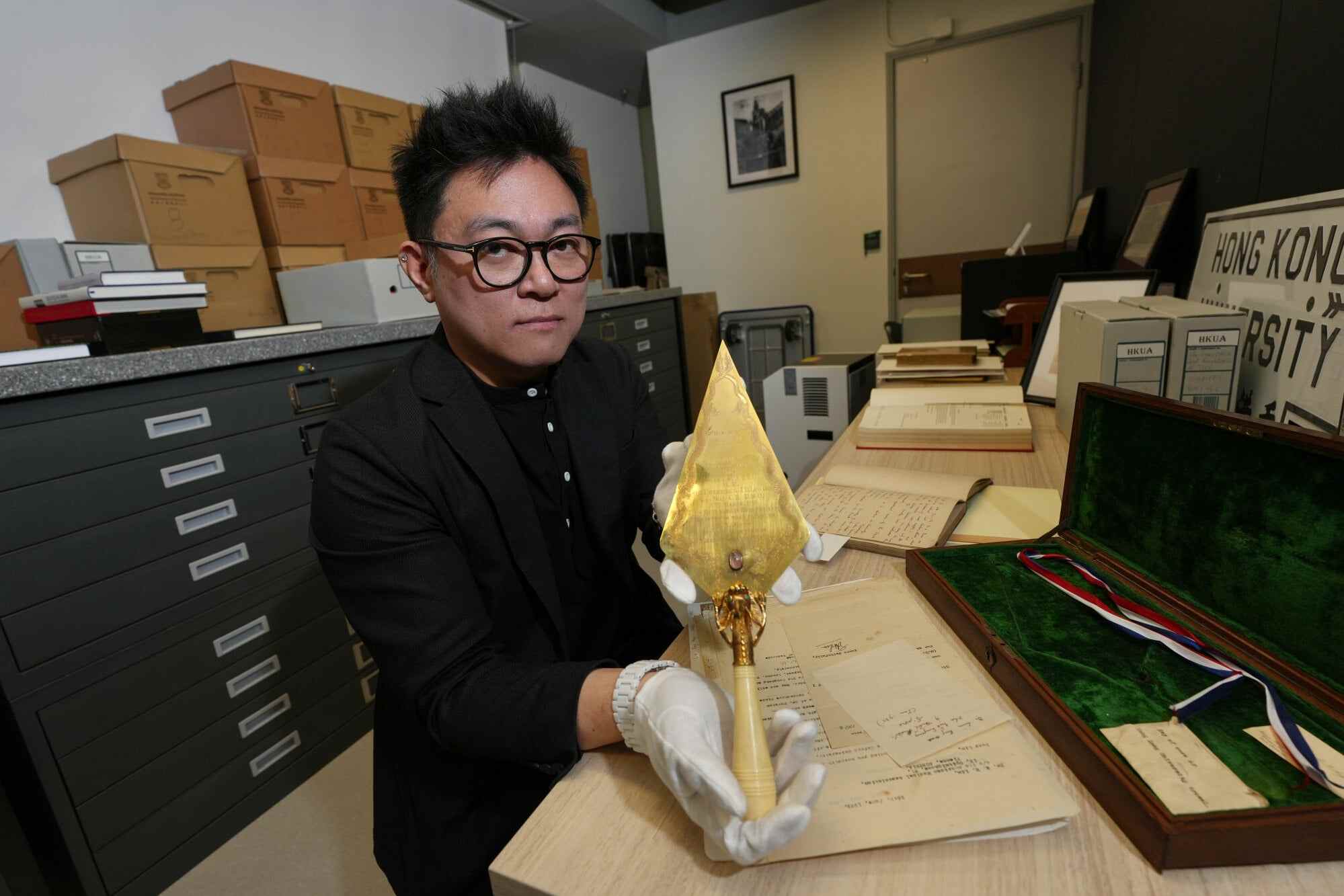
Garfield Lam Kin-shun is the head of the university archives. He said his team would choose to save the university coat of arms. It was granted in parts to HKU in 1913 and 1984. It establishes the university as a respected institution.
HKU is Hong Kong’s only university that has the full traditional design. It symbolises the school’s heritage as “a mix of East and West”. It is like a badge that tells you what HKU is and what it cares about.
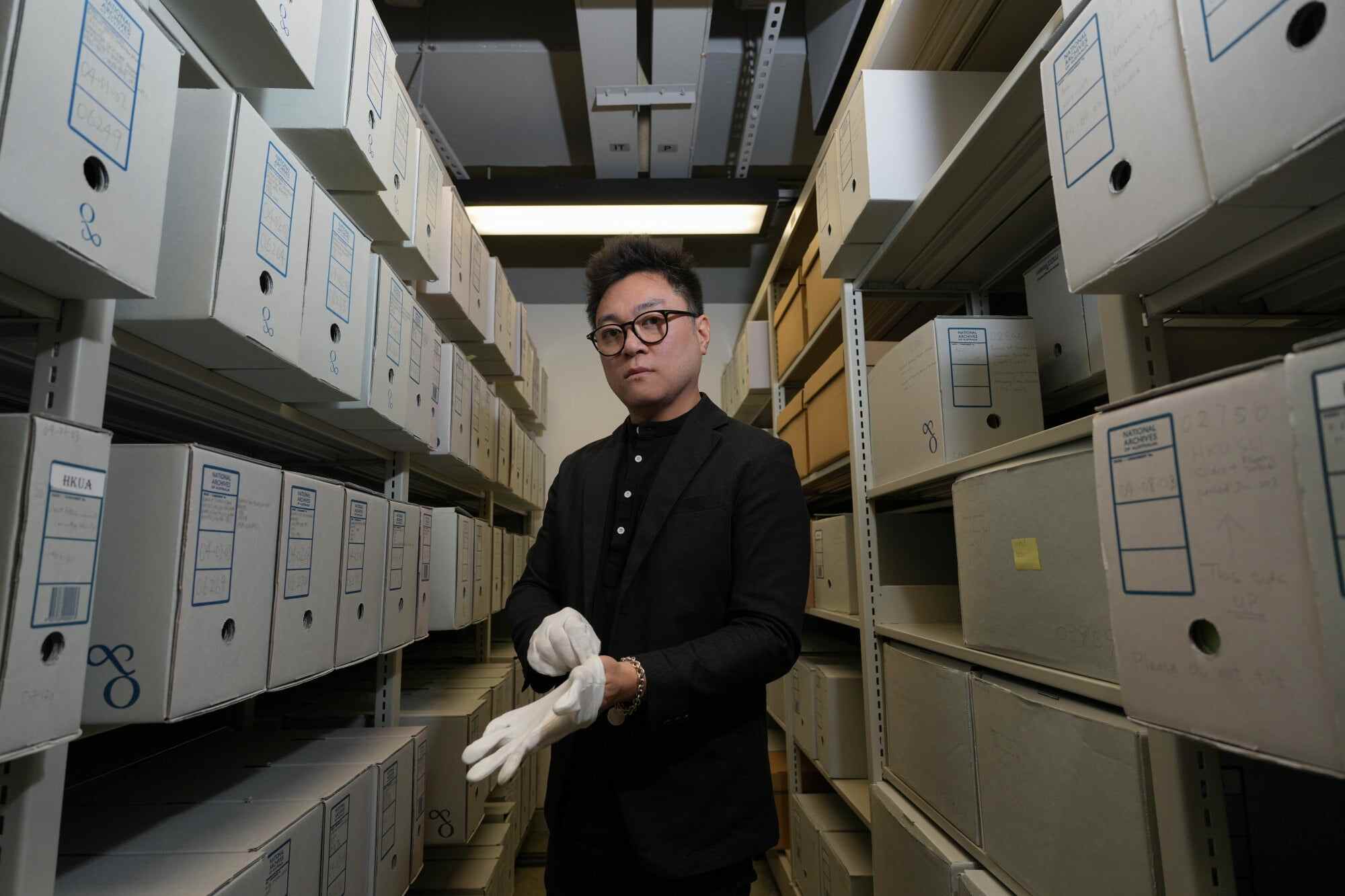
What is an archive?
The main function of an archive is not just about “keeping old stuff”, Lam said.
“As soon as people hear the word ‘archives’, they think … we are a museum,” he said. “In reality, we are talking about records management for our own institution.” He added that archives do not collect from other institutions.
Lam explained that archives do not have open stacks and are not as easily accessible as libraries.
“Our records are irreplaceable,” he said. “The difference … is that you can find the same book in many different libraries, but a specific file in our archive exists only here.”
Working in the archive
Every day, the archivists appraise and preserve records coming from various departments. They move the documents into acid-free folders, which stops them from degrading. To keep up with new media, archivists also use various types of digital preservation.
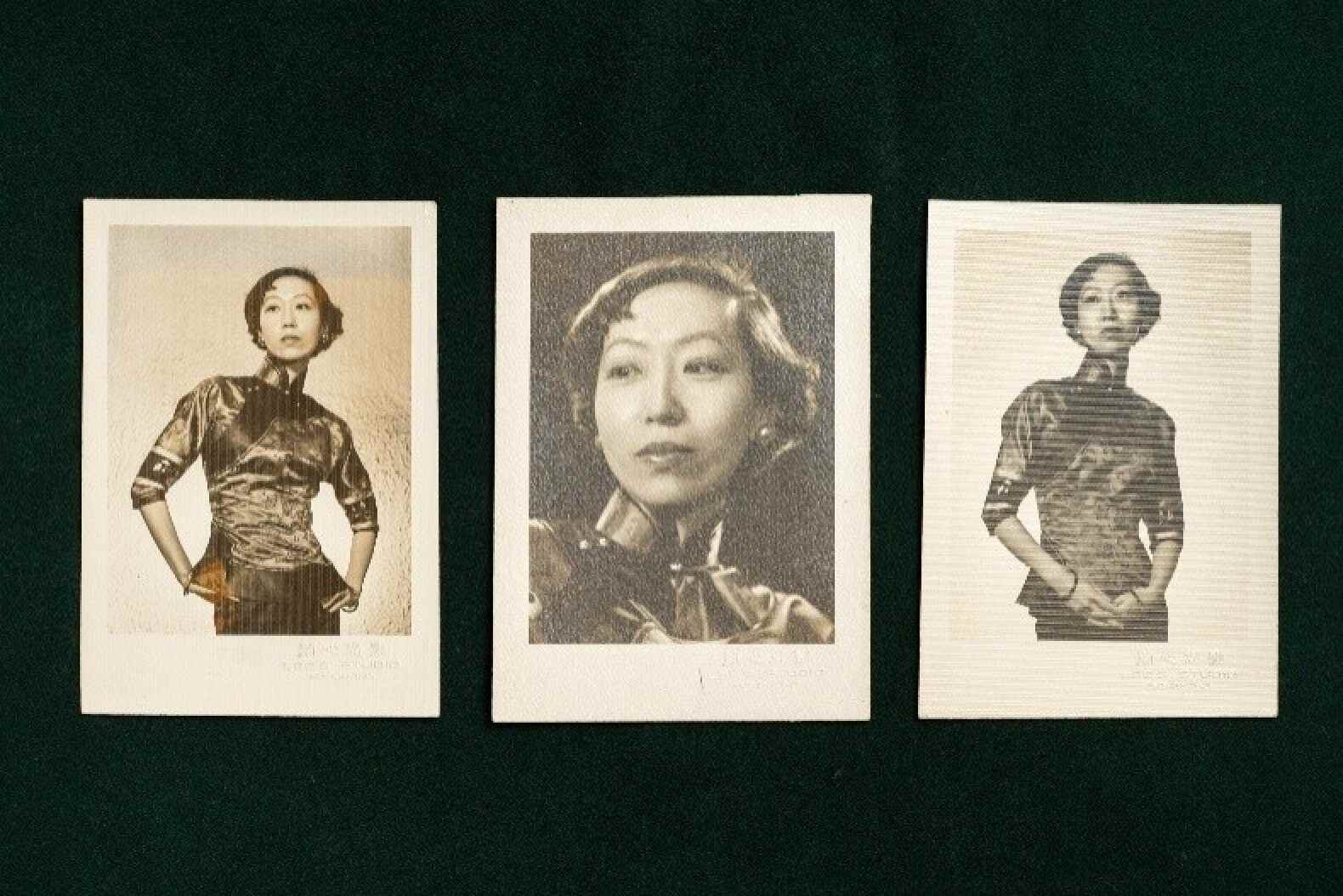
The carefully filed documents and items are accompanied by stories that connect them to the real world. One example of the archive’s impact is Eileen Chang’s student record.
Chang was a Chinese and American writer. She published from the 1940s to the 1990s. She is one of the most important Chinese literary figures.
“At the time we archived it, we had no idea she would become famous; we kept it simply for the sake of maintaining the record,” Lam said. “Now that she is world-renowned, it has become an invaluable resource for researchers.”
Entering this field
It is uncommon in Hong Kong to become an archivist. Lam explained that the city does not have dedicated postgraduate programmes in archival management. That means those who want to become archivists have to look to universities and schools abroad.
And before you even become qualified, Lam said that an archivist must have a genuine interest in history. You should have a passion for “searching for the needle”, he said.
You should also have a sense of social responsibility.
“You have to believe that these records can help people,” Lam said. “We don’t keep records just for the sake of keeping them. We keep them because we want to use that information to serve a purpose and help others.”