Difficulty: Summiteer (Level 3)
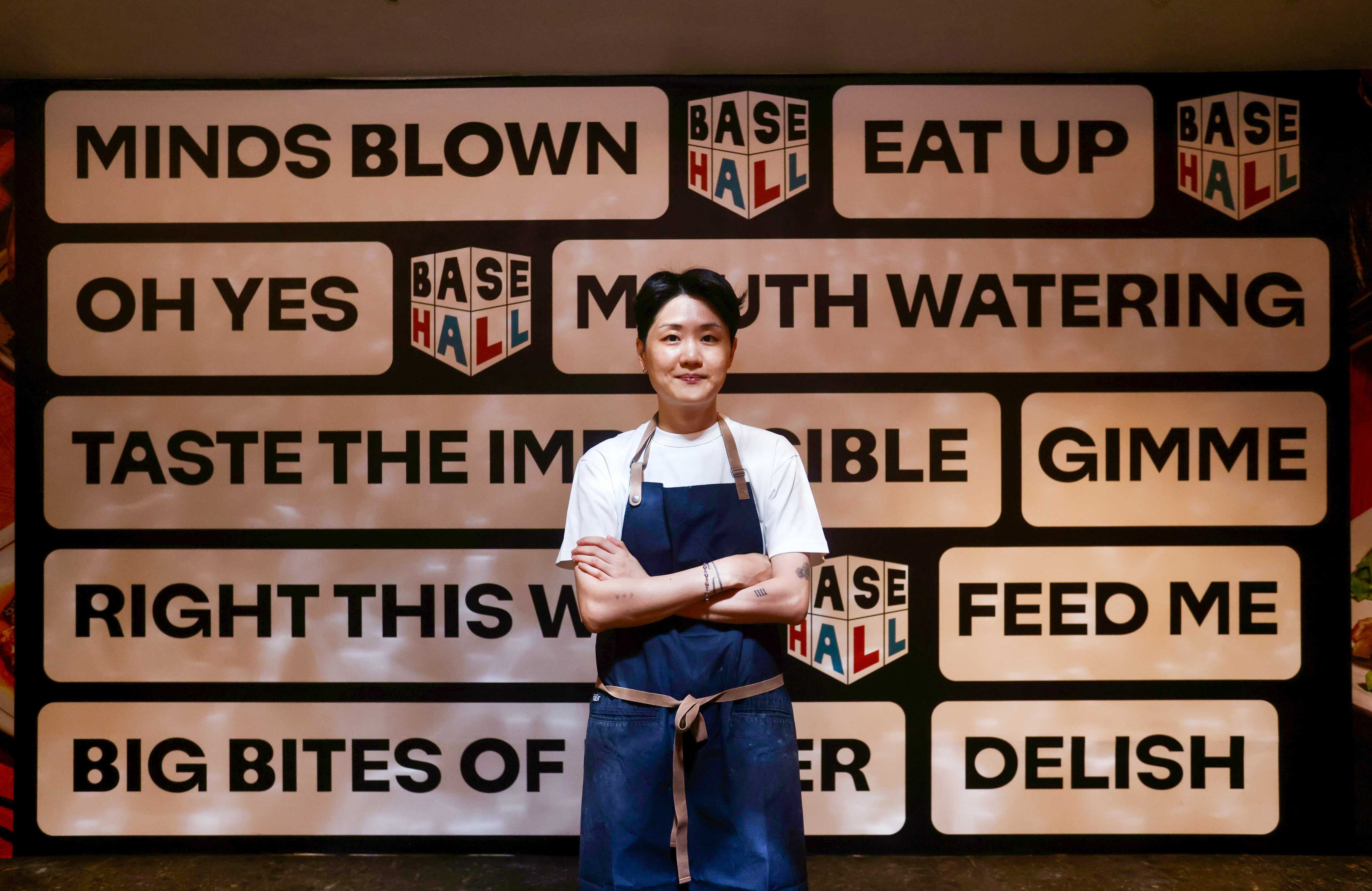
In the early hours of the morning, former chef Mel Ng was tasked with rolling out dumpling wrappers and mixing the next day’s fillings before surviving the chaotic lunch rush at Ah Chun Shandong Dumpling.
As she “staged” for the day at the restaurant – which has a three-decade legacy in Hong Kong – Ng tried to learn as much as she could. The practice of “staging” in the culinary world is when a cook takes a temporary unpaid shift in a restaurant to learn its techniques.
Ng has staged at more than 20 restaurants since last year, including the beloved Kamcentre Roast Goose, viral Vietnamese eatery Banh Mi Nem and the Indian restaurant Leela.
“They’ve all been very interesting to me because I’ve tried out many different kitchens, like Indian cuisine [and] Japanese ... things that I never would have tried before,” said the 36-year-old, who also works as a consultant in the food and beverage industry.
“The ones that I enjoy the most are the ones that are related more to Hong Kong local heritage, just because these are the things I grew up eating.”
New challenges
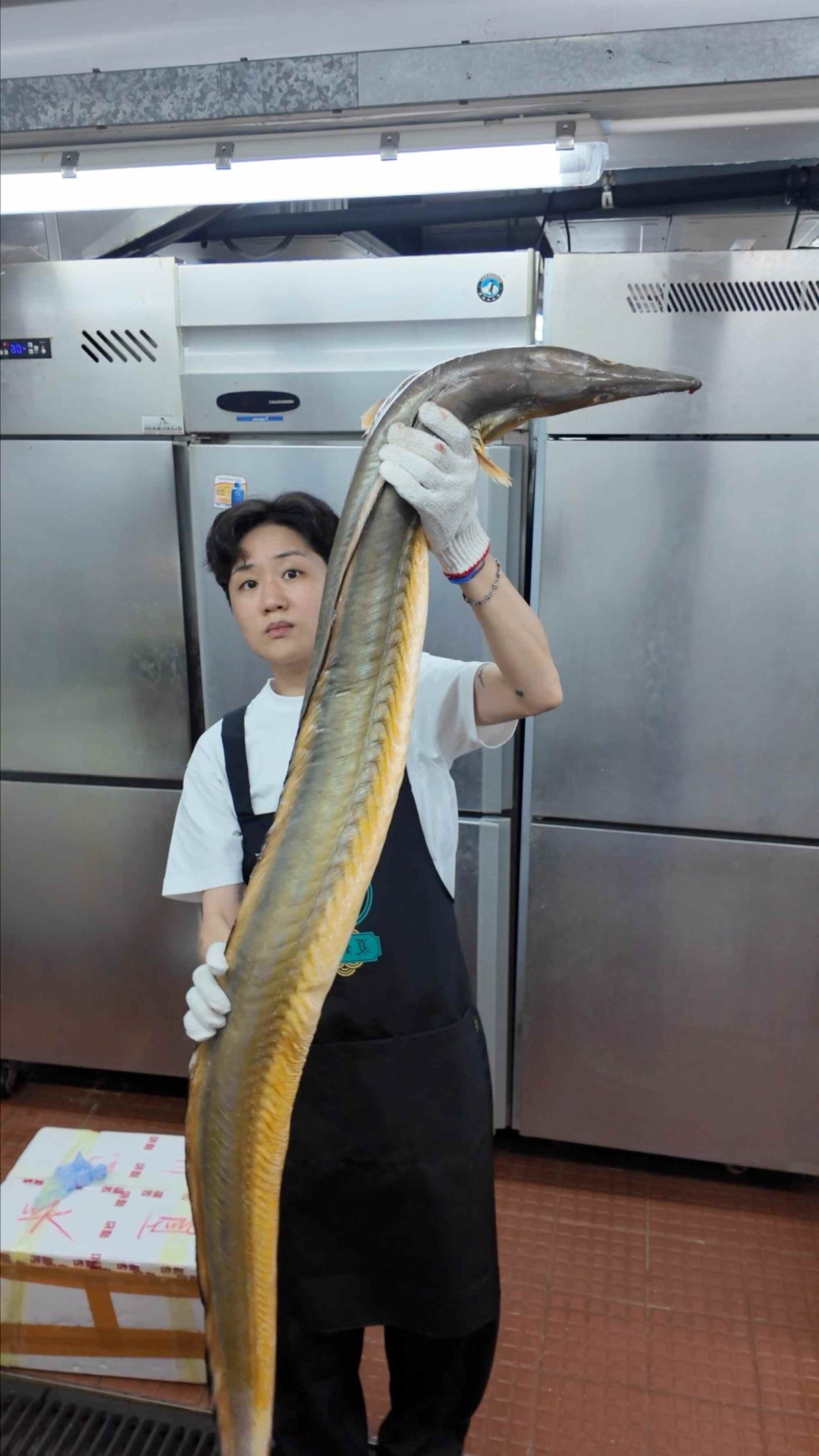
Ng calls herself a “culinary wanderer”. Having staged in restaurants across Asia, she considers traditional Chinese cuisine her toughest challenge yet, largely because these kitchens rely on intuition rather than written recipes.
“A lot of the techniques were ... new to me. Working in a Cantonese kitchen meant using a wok, which I’d never done before,” she said.
Helping struggling businesses
For many older Hong Kong eateries, Ng noticed that staffing was a recurring obstacle, and it was even harder to find young people who wanted to learn the craft.
“Since Covid, we’ve seen a lot of restaurant closures. Even brands that have been around for 20 [or] 30 years closed down,” she said.
Her mission to stage in different restaurants is not just about honing her craft but also about using her business acumen to help struggling eateries survive.
“A chef might have a great recipe, but if the concept isn’t spot on [or] doesn’t fit the neighbourhood or ignores current trends, the business will struggle,” she said.
Ng posts videos of her staging experiences on Instagram to showcase Hong Kong’s rich culinary traditions.
Ng’s daily mantra is “mise en place”, a French term meaning “everything in its place”.
“In the kitchen, it means having all your ingredients and tools ready before you start,” she said.
“Whether I’m doing consulting work for a client or working a shift in the kitchen, I always have a plan in my head, thinking about the end goal and mapping out every step to get there.”