Difficulty: Summiteer (Level 3)
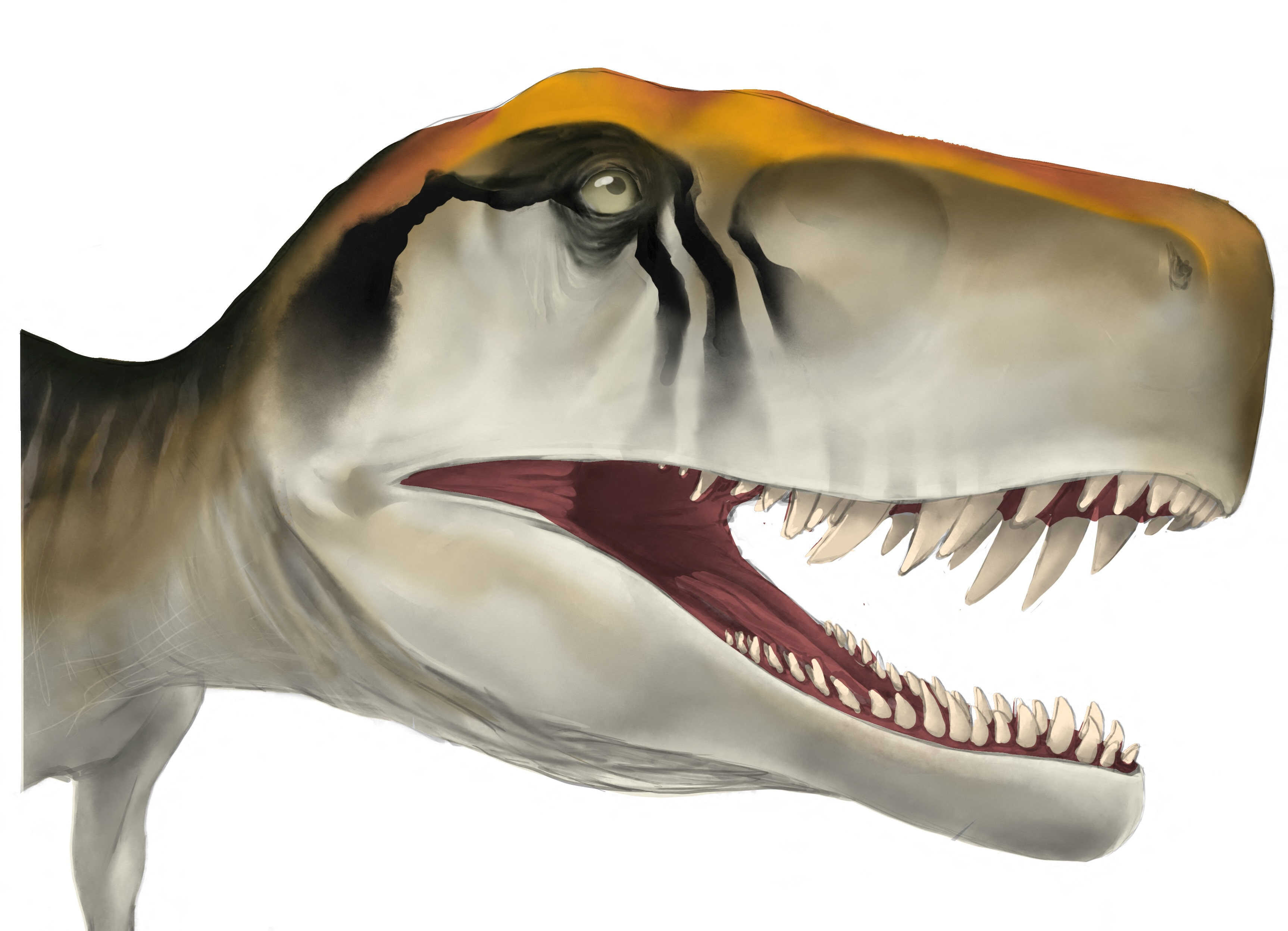
Palaeontologists from Argentina announced the discovery of a new medium-sized herbivorous dinosaur. It was a fast runner and lived about 90 million years ago in the late Cretaceous period in present-day Patagonia.
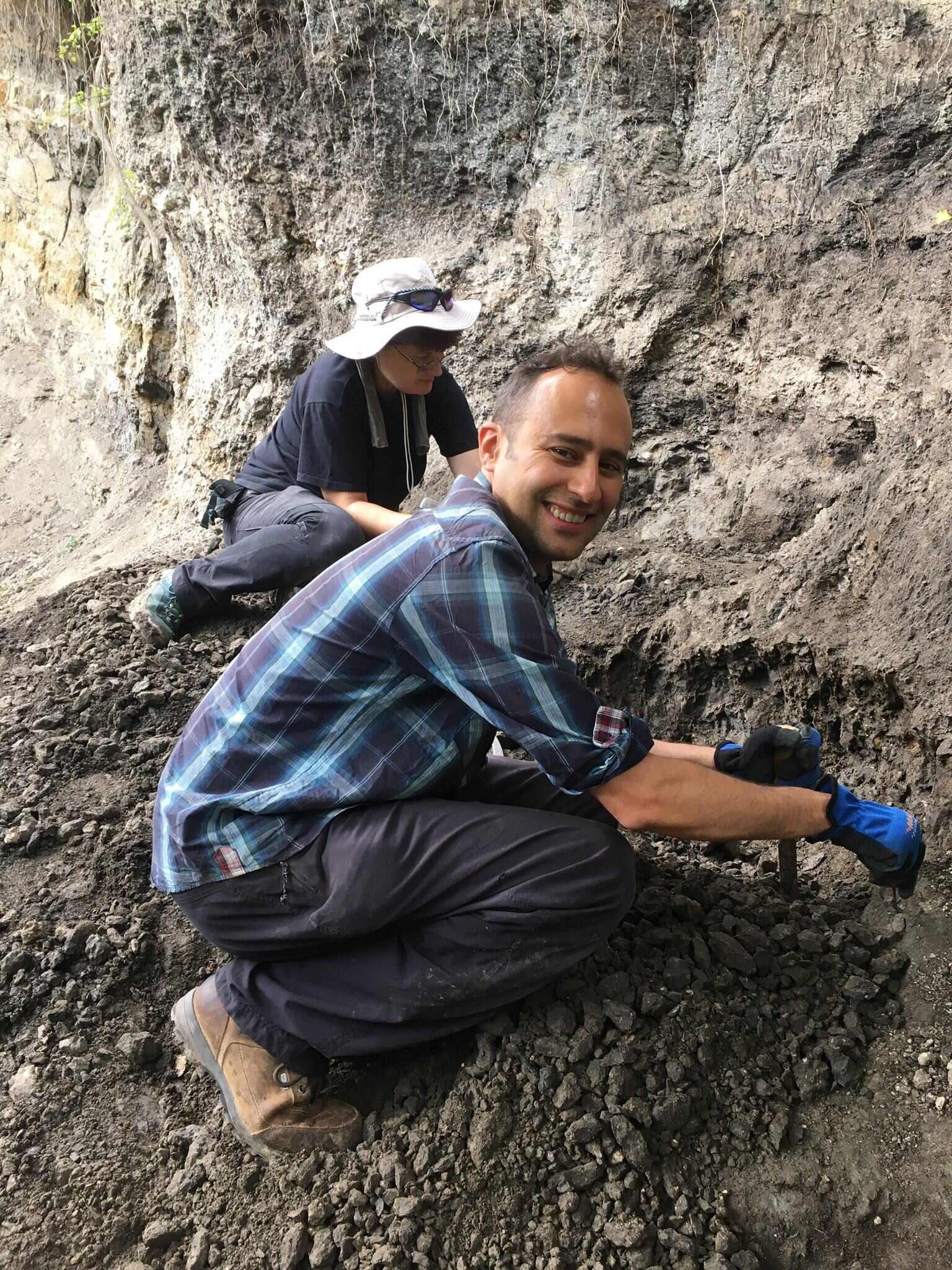
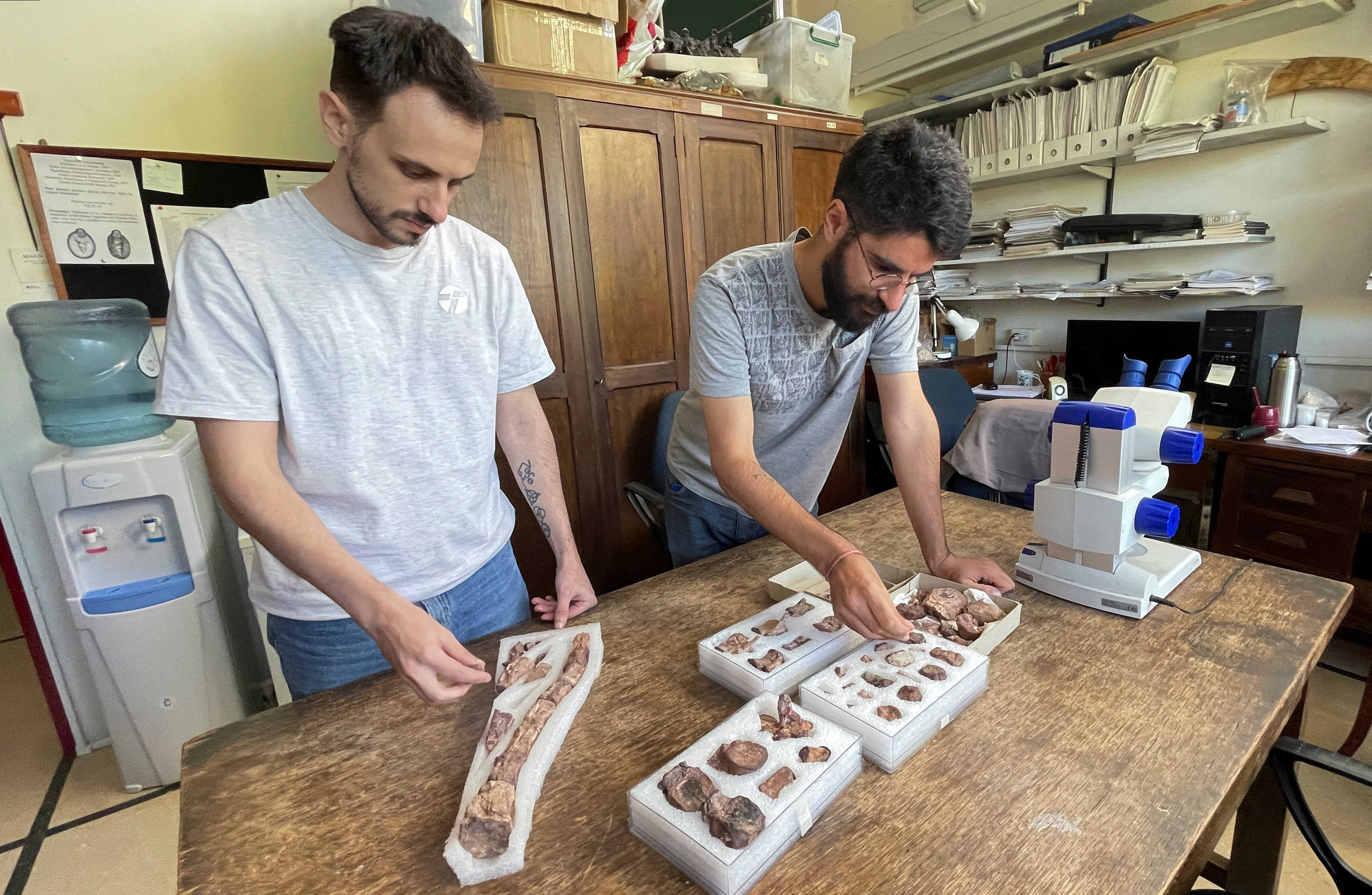
The animal, named Chakisaurus nekul, was found in the southern province of Río Negro, an area rich in fossils where many other animals and dinosaurs have been found.
Studies of Chakisaurus show that it was a fast runner and had an unusual tail that curved downwards. Its strong hind limbs and tail helped it to stay balanced while running. Being fast helped it escape predators.
The dinosaur’s name comes from “Chaki”, a word in the Aonikenk language spoken by the indigenous Tehuelche people. It means “old guanaco”, which is an herbivorous mammal found in the region. “Nekul” means “fast” in the language of local Mapuche people.