Difficulty: Explorer (Level 1)
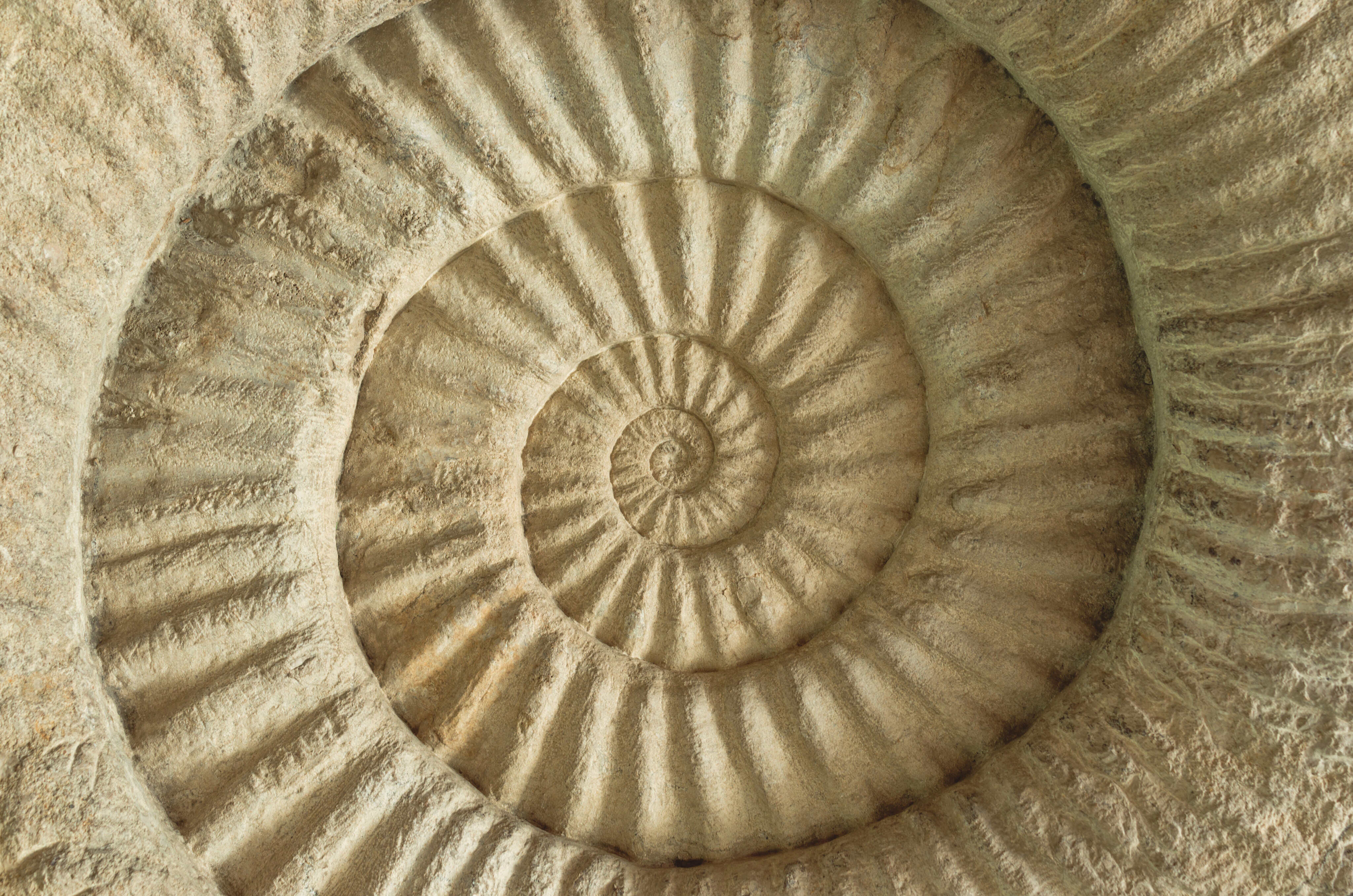
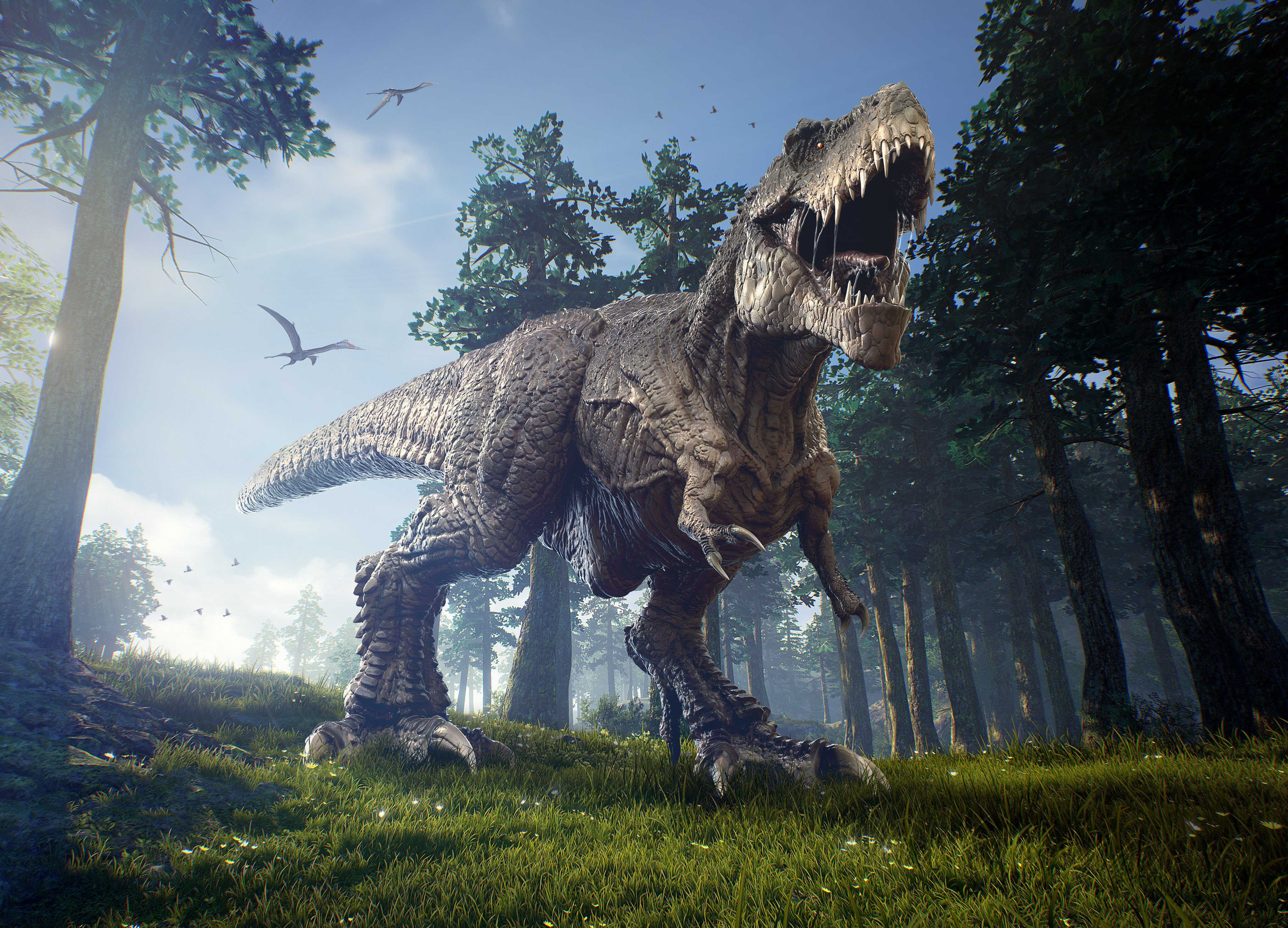
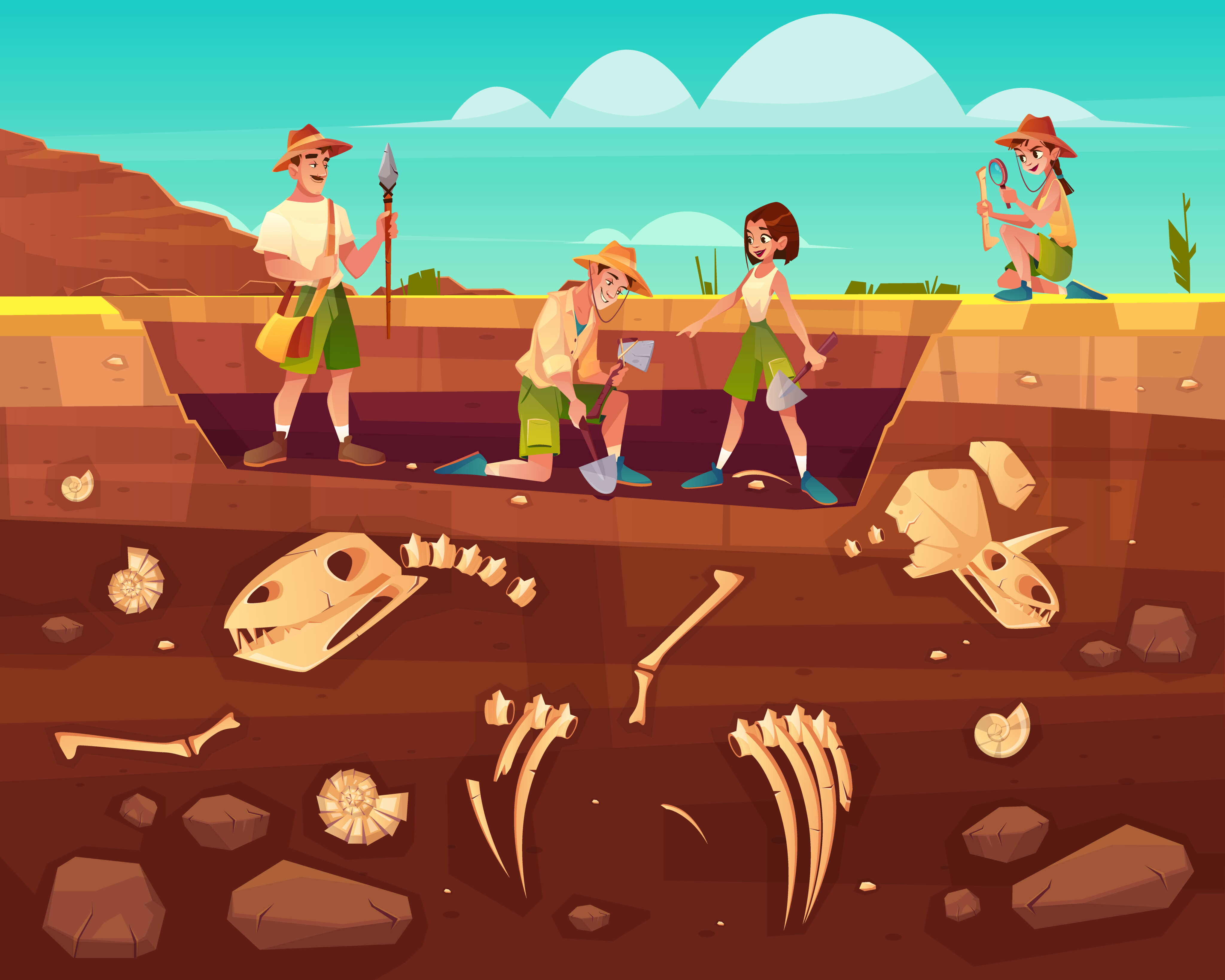
Palaeontology is the study of ancient life, including dinosaurs and other prehistoric creatures. Palaeontologists are like detectives. They learn clues from fossils, which are the bones or preserved remains of plants and animals. These clues help the scientists understand what life was like millions of years ago.
Giant dinosaurs might be the most famous fossils. But palaeontologists study other things too. For example, they have identified fossils of at least 23 different kinds of prehistoric sloths. The Megatherium stood over three metres tall and weighed more than 3,000kg!
Plant fossils can also tell scientists about the ecosystem of the past. Researchers can even use them to learn about past periods of climate change.
Palaeontologists are always exploring. Sometimes, they make extraordinary discoveries that help us understand our planet.
Plant fossil art
Materials
-
white paper
-
crayons (remove the paper wrapper)
-
small plant parts (leaves, twigs or flowers)
Instructions
-
Go outside and gather leaves, twigs and flowers you find.
-
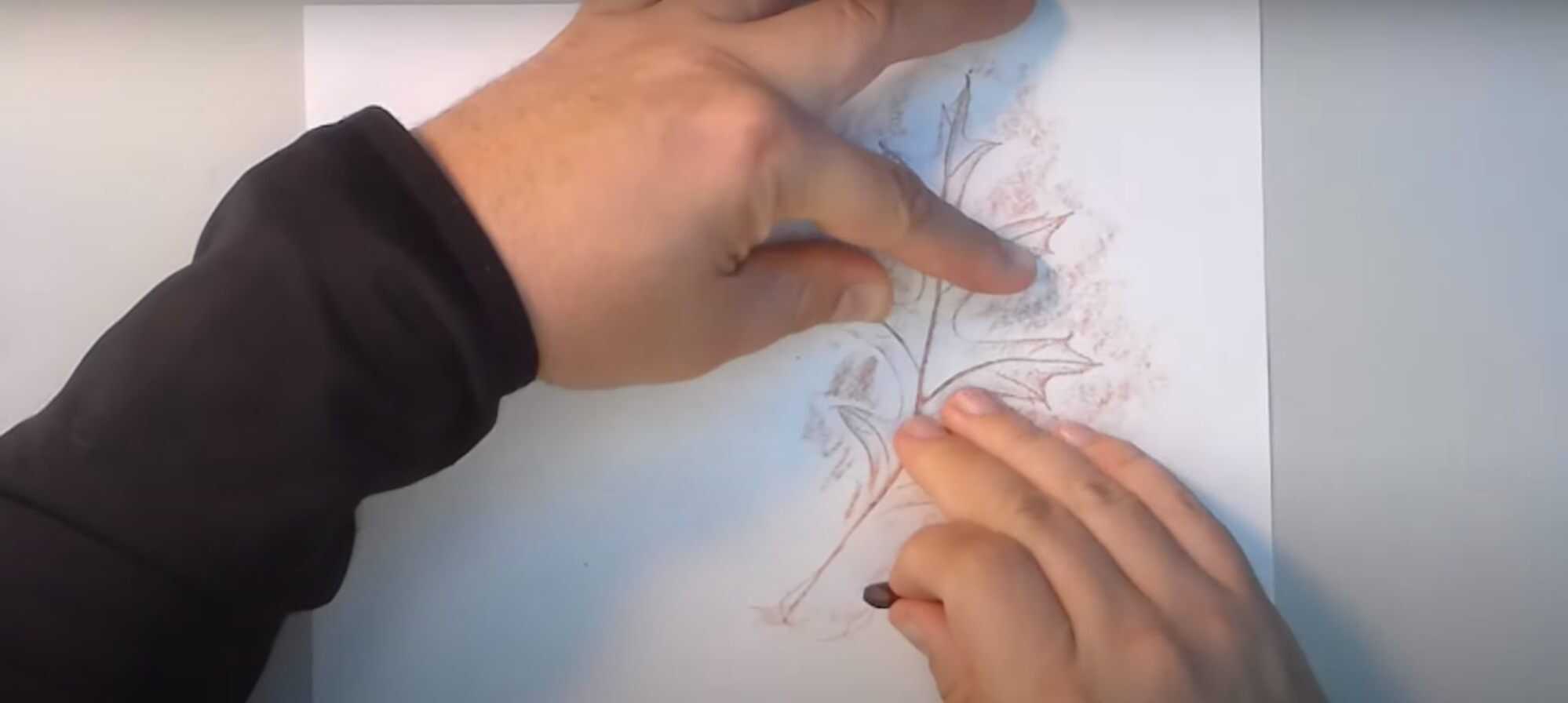
Place your plant item on a flat surface, and then place the paper above it.
-
Make sure your crayon does not have a paper wrapper around it. Then, lay it flat, and rub it on the part of the paper above your plant item. This should create a colourful outline. Repeat this with your other items.
-
Display your masterpiece at home. Consider: if a future palaeontologist found a fossil of these plants, what clues would they learn about your home?
Research into prehistoric life
Go online and research these prehistoric animals: Megatherium, Glyptodon, Phorusrhacos and Megalodon. Then, write down one fun fact about each animal. Learn more fun facts by comparing your chart with a classmate’s.