YoungPost Club Learn
DOWNLOAD OUR APP
appstoregoogleplay
FIND US AT
My JourneyMy VocabularyMy Leaderboard
My AccountSearchAbout UsContact Us
Subscription Plan
School Subscription
YOUNG POST
NewsTrendingBeing wellLearning zoneShare with usQuizzes
SPARK
NewsTrendingBeing wellLearning zoneShare with usQuizzes
POSTIES
Big readEye on the newsHa-ha-happeningsThings to doYour saySteam studioHealth and happinessQuizzes
Subscribe to Young Post Club to access our great content
ABOUT US|CONTACT US|WRITE FOR US|PRIVACY POLICY|TERMS & CONDITIONS
©2026 Young Post Club. All rights reserved.
My Journey Hello
Brand Avatar
Young Post
My Journey illustration

With a subscription, you can answer quizzes and track your reading progress.

Read / Eye on the news

China’s Chang’e-6 probe blasts off with first-ever samples from ‘far side’ of the moon

Scientists do not know much about the side of the moon that always faces away from us, but these specimens should help them uncover its secrets
bySCMP
Published: 11:30pm, 16 Jun 2024
Length: 244 words
China’s Chang’e-6 probe blasts off with first-ever samples from ‘far side’ of the moon

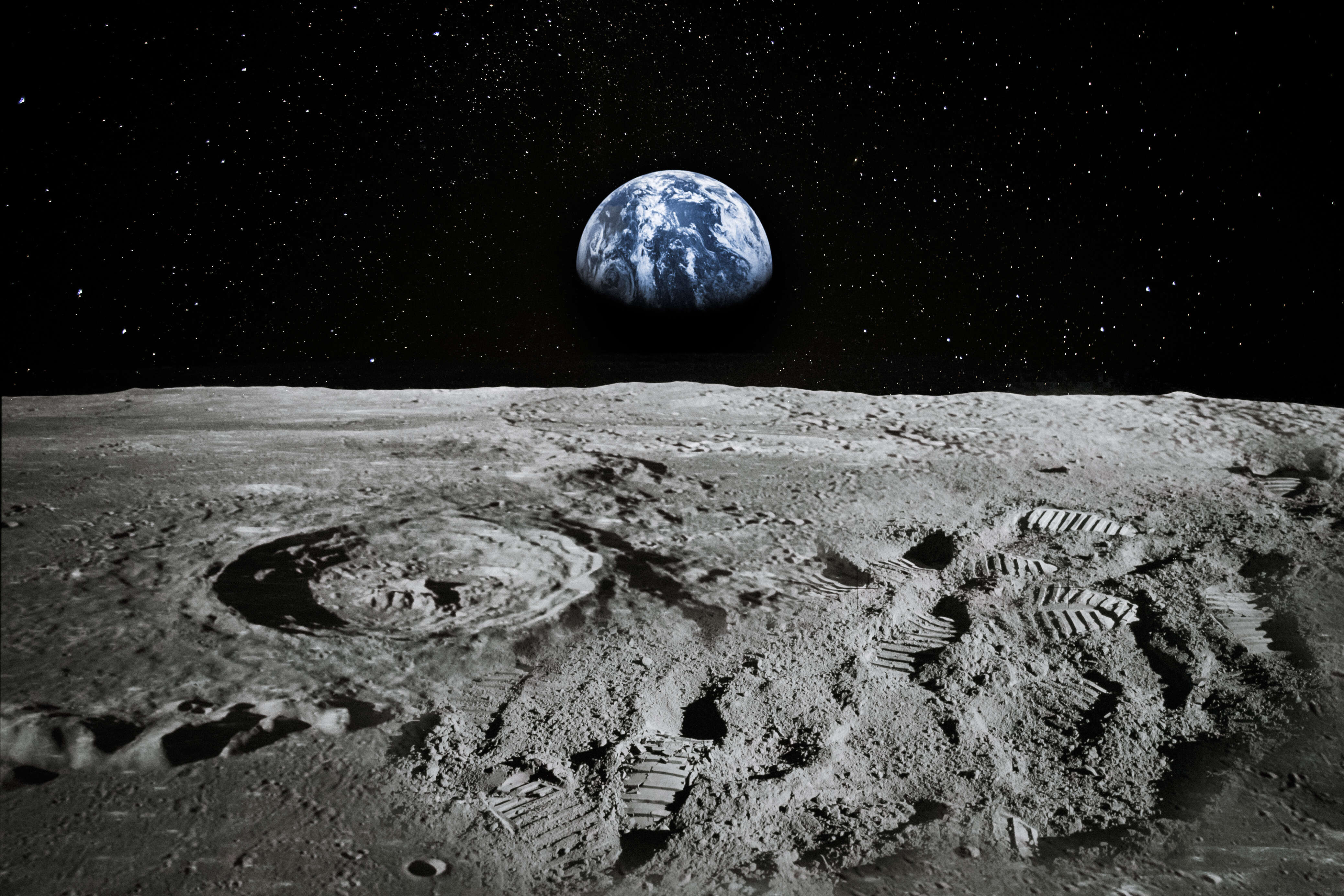
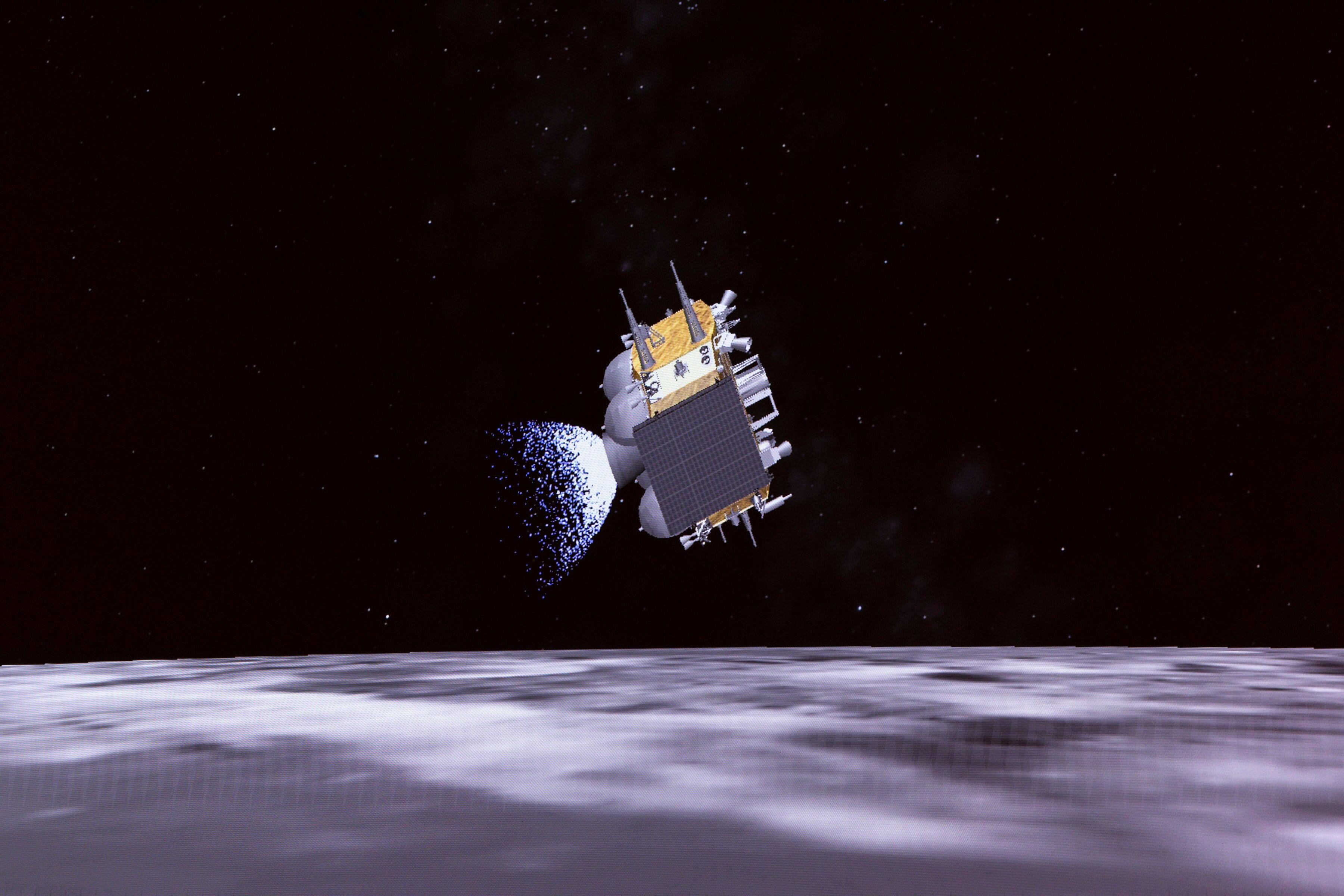
China’s Chang’e-6 is the first spacecraft has taken off from the moon’s perpetually hidden other side. Photo: Xinhua

Difficulty: Summiteer (Level 3)

China’s Chang’e-6 ascent vehicle lifted off from the lunar surface with the first rock samples from the far side of the moon. It lifted off from the lunar surface early on June 4, according to the China National Space Administration (CNSA). The vehicle’s cargo holds up to 2kg of specimens from the moon’s oldest impact basin.

“This is the first time in human history for a spacecraft to take off from the far side of the moon,” the CNSA said.

The ascender would meet and dock with the orbiter, before transferring its cargo to a return capsule. The orbiter-return capsule combination will circle the moon and wait for the best timing to fly back to Earth. It will touch down at the Siziwang Banner landing site in northern China’s Inner Mongolia autonomous region.

Little is known about the moon’s far side, which constantly faces away from us. Scientists hope the Chang’e-6 samples can help answer questions about differences between the moon’s two faces and what the basin’s precise age says about the solar system.
IN THIS ARTICLE
Space exploration
China

KEEP READING
cover
Eye on the news
Don’t be lost in space – all you need to know about space stations
07 Jan 2024
cover
Eye on the news
India becomes first nation to land spacecraft near moon’s south pole
03 Sep 2023
cover
STEAM studio
Can moon dust help us tackle global warming?
15 Feb 2023